

GARDEN MAINTENANCE ACROSS LONDON & THE M25
Garden maintenance in London
Our garden-maintenance service brings mowing, accessible weeding, suitable pruning and collection together around an established outdoor space. We follow the plants and the garden's actual condition, with returning care addressing fresh growth between larger operations. A one-off visit can concentrate on the particular lawn, bed or boundary tasks included in the request, leaving a practical maintained area and the retained planting identifiable.
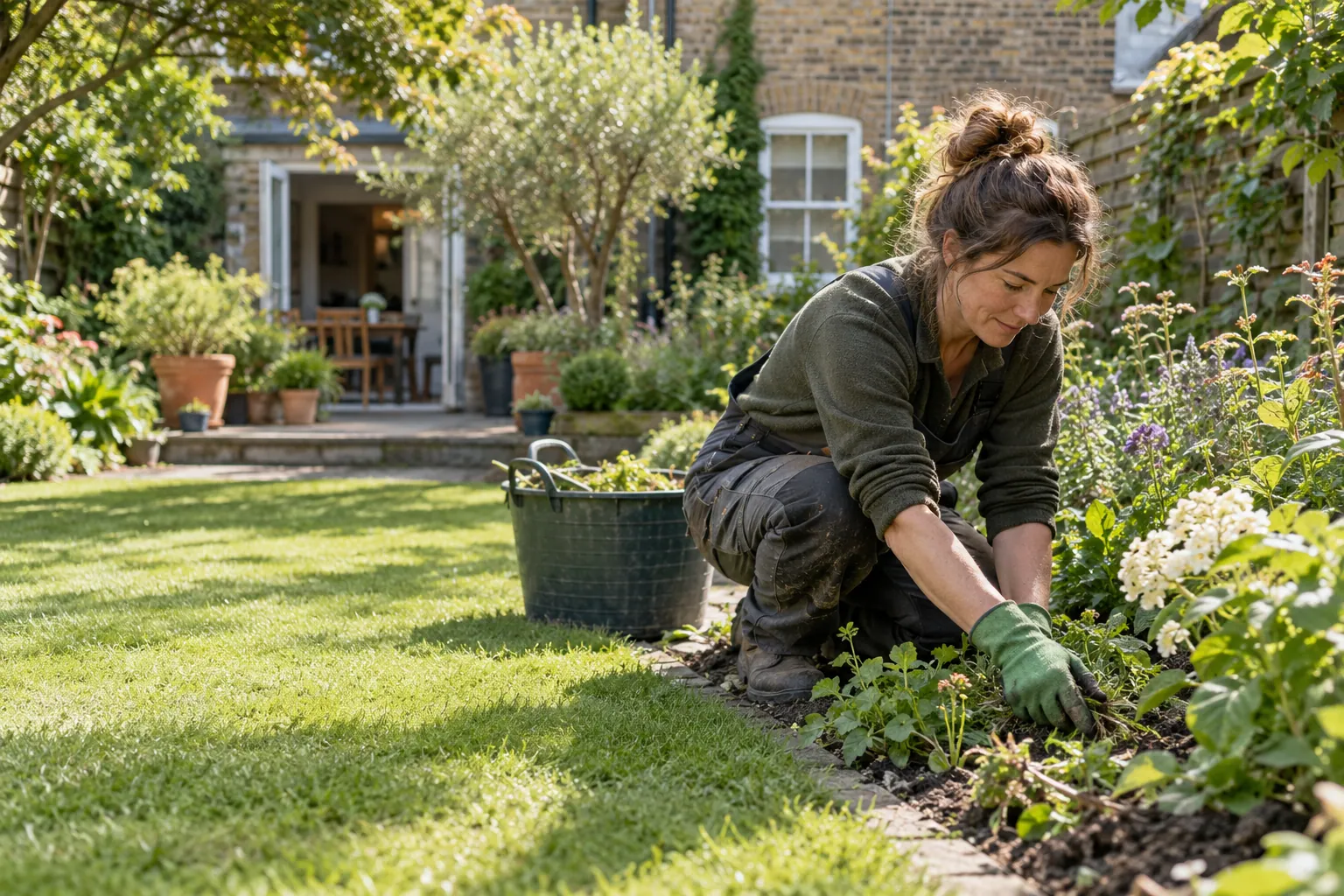
What our maintenance visit covers
The gardener follows the included tasks through suitable grass cutting, close work in the beds and appropriate trimming of identified plants. Detached material is gathered and adjoining worked surfaces finished as the operation progresses. The mix follows the growth and conditions present, allowing useful attention across the garden while keeping the purpose of each task clear.
Starting work where growth has accumulated
Our maintenance can address suitable light overgrowth within its identified task list. Dense brambles, concealed paths or substantial woody loads need a separately defined initial clear-up. Once that operation reveals a manageable area, returning care can follow its emerging smaller tasks. This connects the starting condition to a practical maintenance programme around the garden that remains.
A useful sequence through the working areas
Preparation identifies the included areas, retained planting and practical route for the work. The gardener can establish an obstructed opening before attending to a more distant bed, giving tools and collected material usable access. Loose objects stay outside the immediate operation, with equipment positioned clear of plants and entrances. This sets a clear sequence through the garden and establishes a receiving position for the material each task will produce.
Suitable mowing follows the available grass surface, while border work addresses accessible unwanted growth around established plants. Shrub attention is timed to the identified plant and intended cut. The team considers where each operation deposits its material before finishing adjoining areas. Collection follows the cutting, leaving the specified surface useful for the next task and preventing fresh fragments from remaining across the completed route.
Mowing and an appropriate edge finish
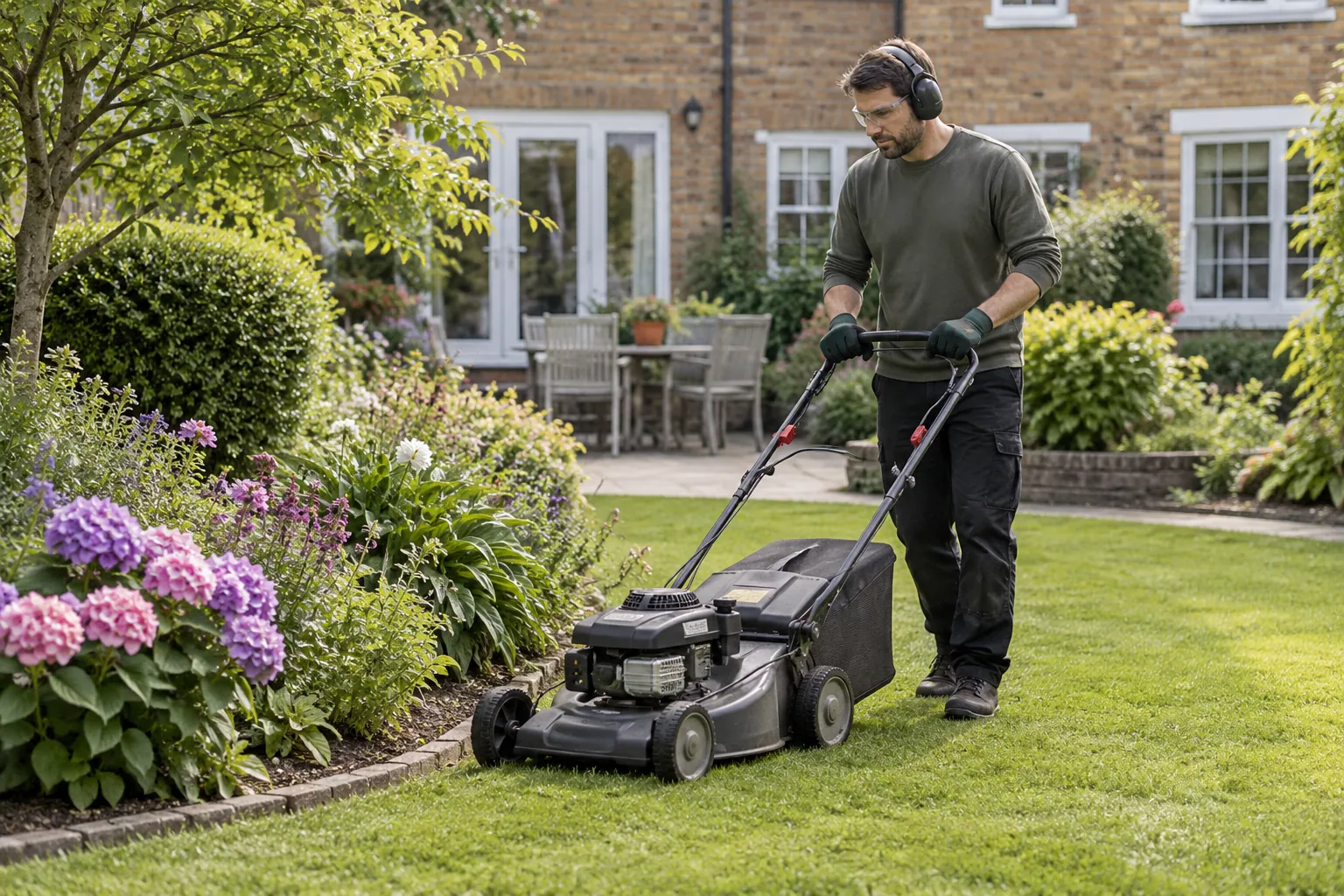
The lawn's actual growth informs the cut and equipment route. A long or flattened surface can need a different approach from regularly maintained turf. Before the pass, the gardener identifies debris, hoses and movable obstacles within the cutting area. Controlled coverage then follows the accessible supported grass, with the setting selected for its condition. This establishes a usable lawn finish alongside the planting and features that remain.
Margins beside beds, paths, posts and trees receive their own suitable attention. The method keeps bark, low foliage and loose gravel outside the cutting movement as existing edges are finished. A new border line or ground repair remains additional work with its own intended result. Our lawn-care service describes those operations alongside routine mowing, keeping the actual cut distinct from a proposal to recover or change the turf.
Selective hand care within planted borders
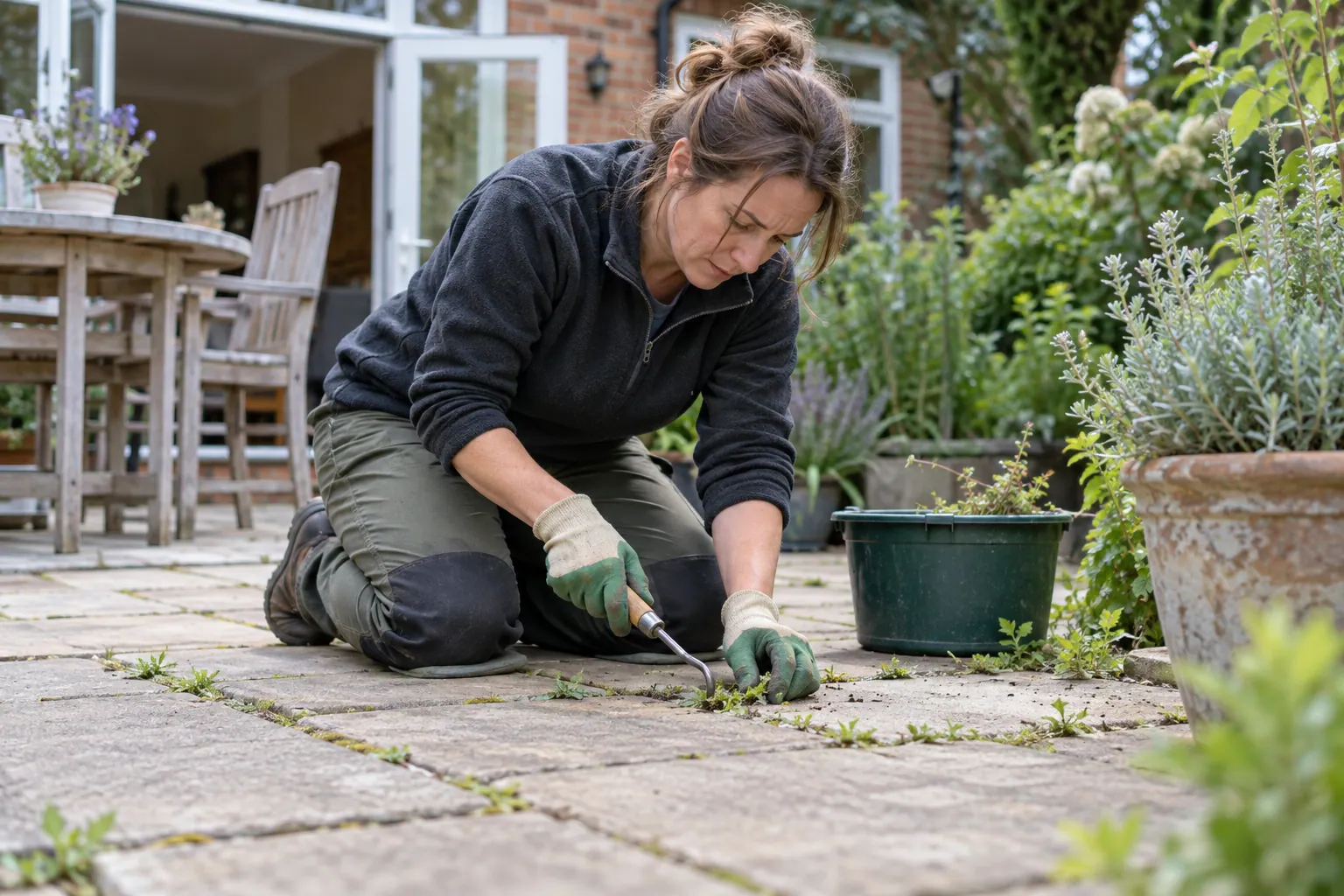
The gardener identifies the retained plants before removing accessible competing growth between them. Controlled hand work reaches around established stems and smaller plants, following the relevant weed and its roots with an appropriate tool. Removed material is gathered as the working surface opens. This gives the border a considered finish while preserving its existing useful groups and keeping the unwanted growth separate from the planting selected to stay.
The method and pace account for roots, stones and crowded growing space. Where unwanted growth can return from material below ground, subsequent attention follows what emerges. A dense bed can first need the retained plants revealed and a practical area recovered around them. The service therefore distinguishes the actual accessible weed removal from a larger planting change, with the next required operation identifiable from the ground now visible.
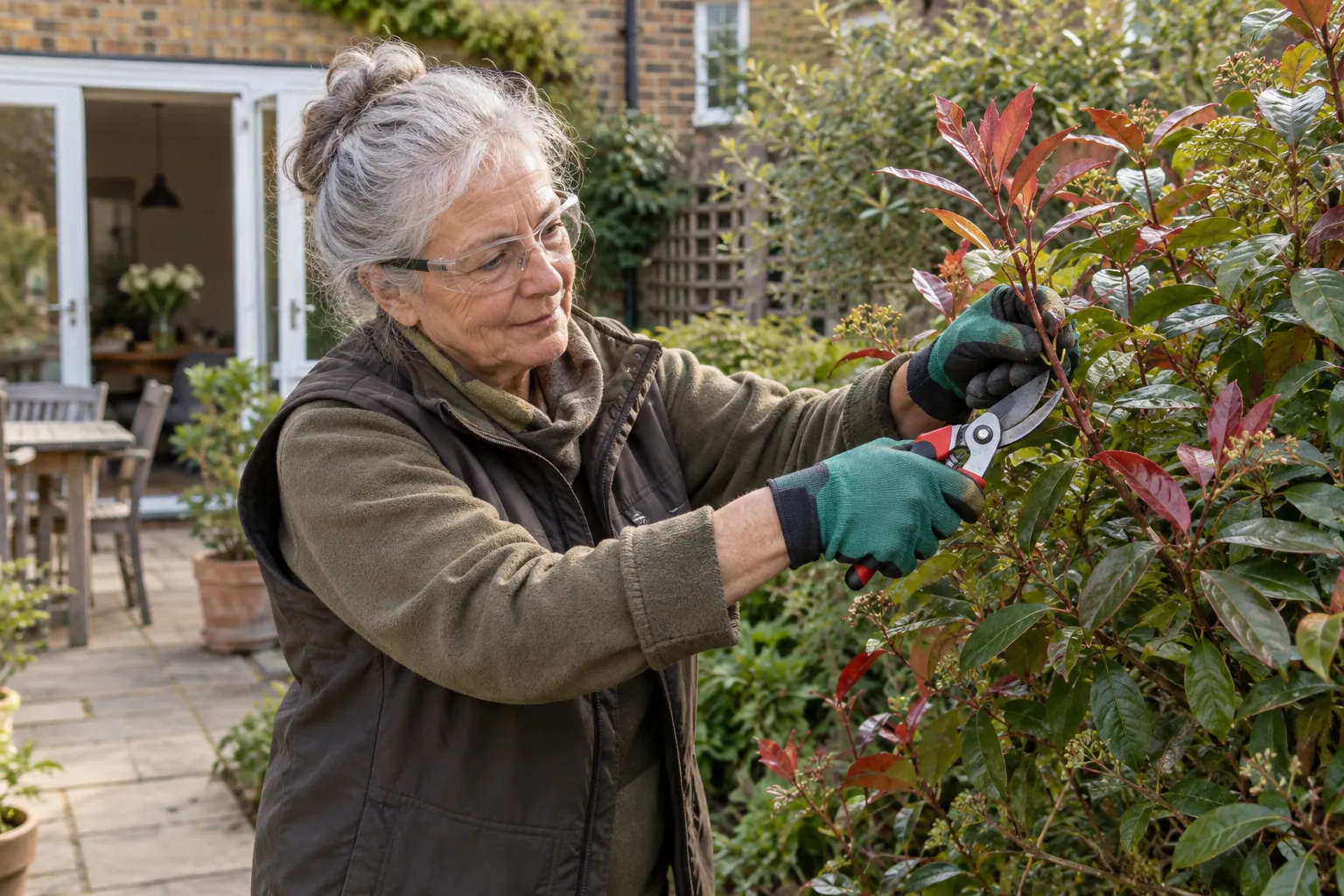
Shrub work for the plant and intended purpose
A shoot extending over a path and a flowering specimen within a bed call for different cutting decisions. Our gardener follows the identified shrub, its framework and growing stage before selecting suitable removal. New extension and old woody growth can respond differently, so their position informs the tool and cut. The operation retains the appropriate useful structure and relates the resulting shape to the plant's place in the garden.
Suitable stems receive controlled cuts with the appropriate hand tool or trimming equipment for the task. Adjacent plants and features remain clear of the movement, and detached pieces are lifted from the shrub as work progresses. Major reductions, established specimen removal and substantial tree operations have their own scope and handling. This keeps routine light pruning clearly defined while a different proposal addresses any more extensive change.
Hedge trimming beside usable routes
Our hedge operation follows the reachable faces and top to maintain the selected outline. Height, width and the hedge's position beside a wall, path or neighbouring plot inform the available working approach. Regular fresh extension and several seasons of woody expansion create different removals and loads. The proposed trim reflects that actual growth, leaving the appropriate retained screen and a useful opening alongside it.
The species and condition determine the cutting response, including where a thin area limits the expected result. Checks for nests being built or used affect whether a section can proceed, with relevant work postponed. The RSPB guidance on nests supports that plant-specific preparation. Our team follows the actual occupied growth and suitable access throughout the trim, keeping a postponed section distinct from ordinary cutting completed elsewhere on the boundary.
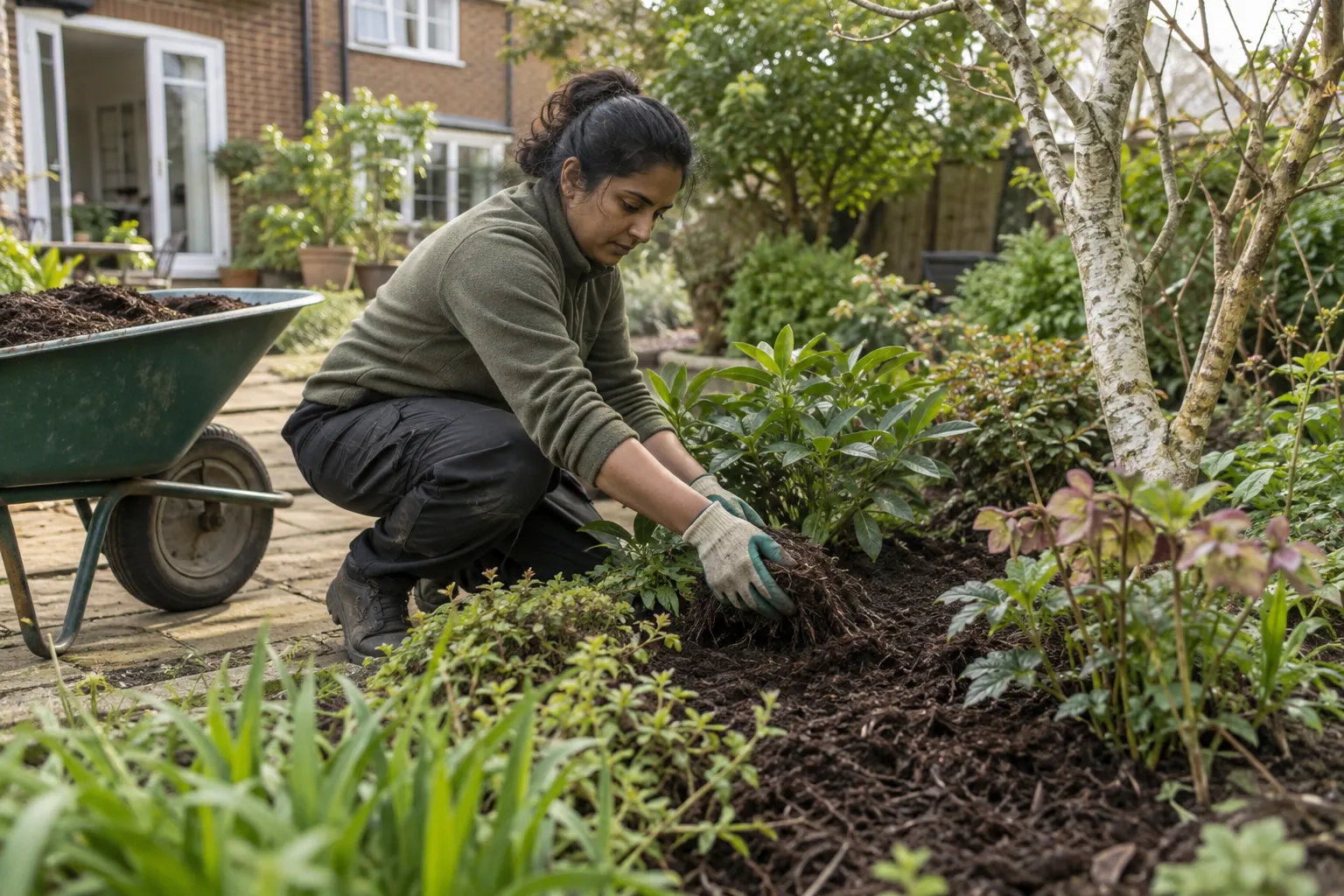
Defined planting and ground-surface tasks
For included planting, the team sets out suitable positions before the plants enter the soil. This checks their relationship to paths, existing roots and neighbouring growth as well as their eventual spread. Preparation then follows the actual bed and supplied plants, with appropriate placement and watering for the operation. Plant stock, compost and substantial soil improvement remain identified materials or tasks within that particular request.
Where mulching is included, accessible unwanted growth is addressed before the appropriate layer is placed around retained plants. Stem bases remain suitably clear, with the preparation related to the existing bed condition. A changed scheme or removal of established features belongs within garden design as its own project. This distinguishes useful ground-surface care from a proposal to alter the planting arrangement across the whole area.
The next task follows seasonal growth
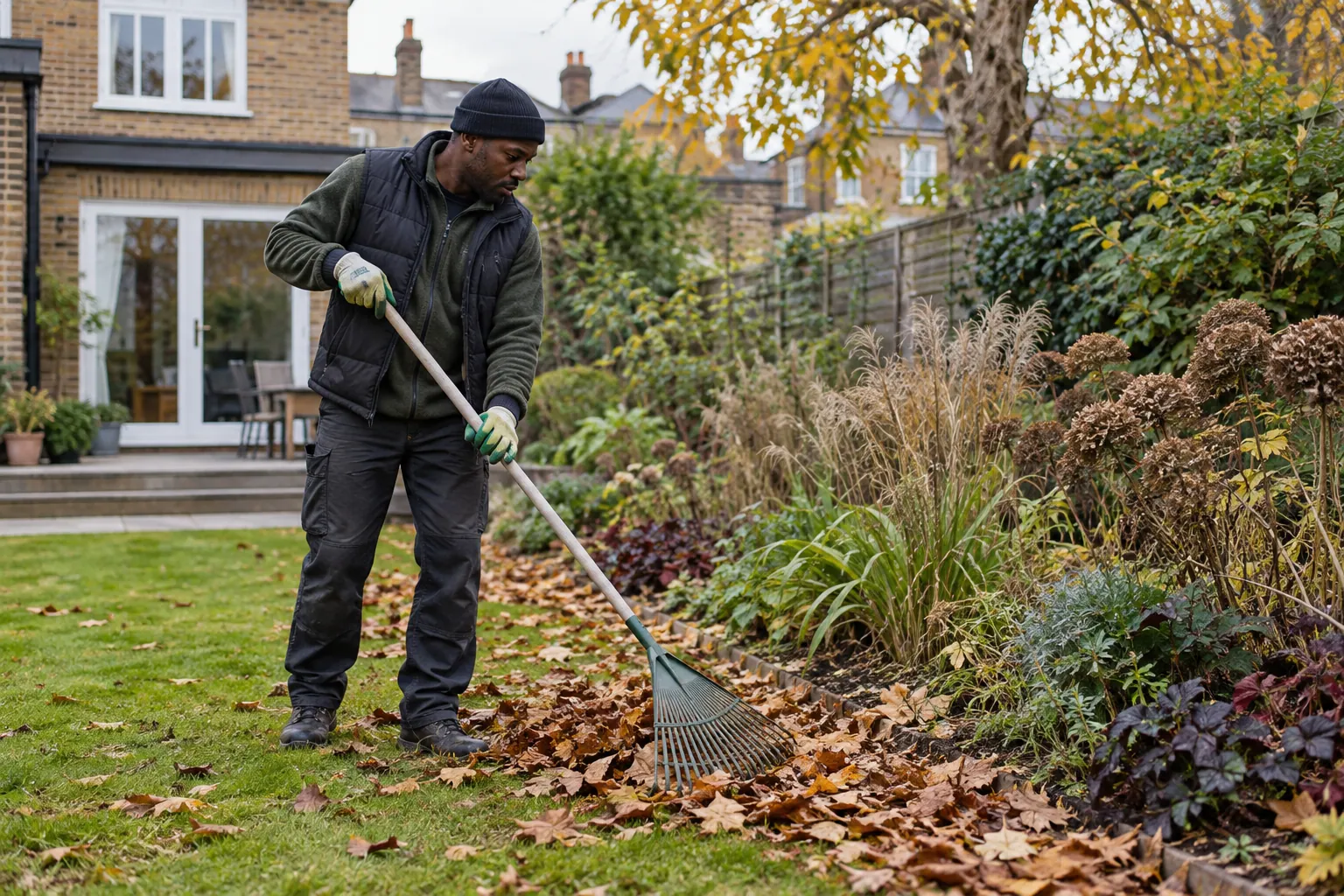
Active spring growth can bring mowing and accessible weeds forward in the workload. Warmer conditions can make route clearance and recent planting care more relevant, while later leaf fall adds collection on paths and turf. Our gardener follows those actual needs alongside the plants' appropriate treatment stages. This gives returning maintenance a changing sequence, with suitable tasks selected for the growth and conditions present during the visit.
Selected stems, seedheads and retained leaves can remain within the intended garden arrangement. Our seasonal work identifies that choice before collecting the separate obstruction or accumulation affecting use. Accessible routes and ordinary grass can continue receiving care around the retained planting. This keeps a deliberate winter or wildlife feature recognisable while attending to the parts that need a practical finish during that stage of the year.
Maintenance and initial clearance compared
| Garden condition | Useful starting work | Follow-up |
|---|---|---|
| Grass and beds remain accessible | Routine mowing and border care | Review the visit interval as growth changes |
| A few areas have become untidy | Focused maintenance of those sections | Resume a manageable task list |
| Paths and planting are concealed | An initial vegetation clear-up | Introduce ongoing upkeep after the first stage |
| The layout causes repeated difficulty | Review the arrangement of the space | Design and maintenance serve different purposes |
Collection from the worked areas
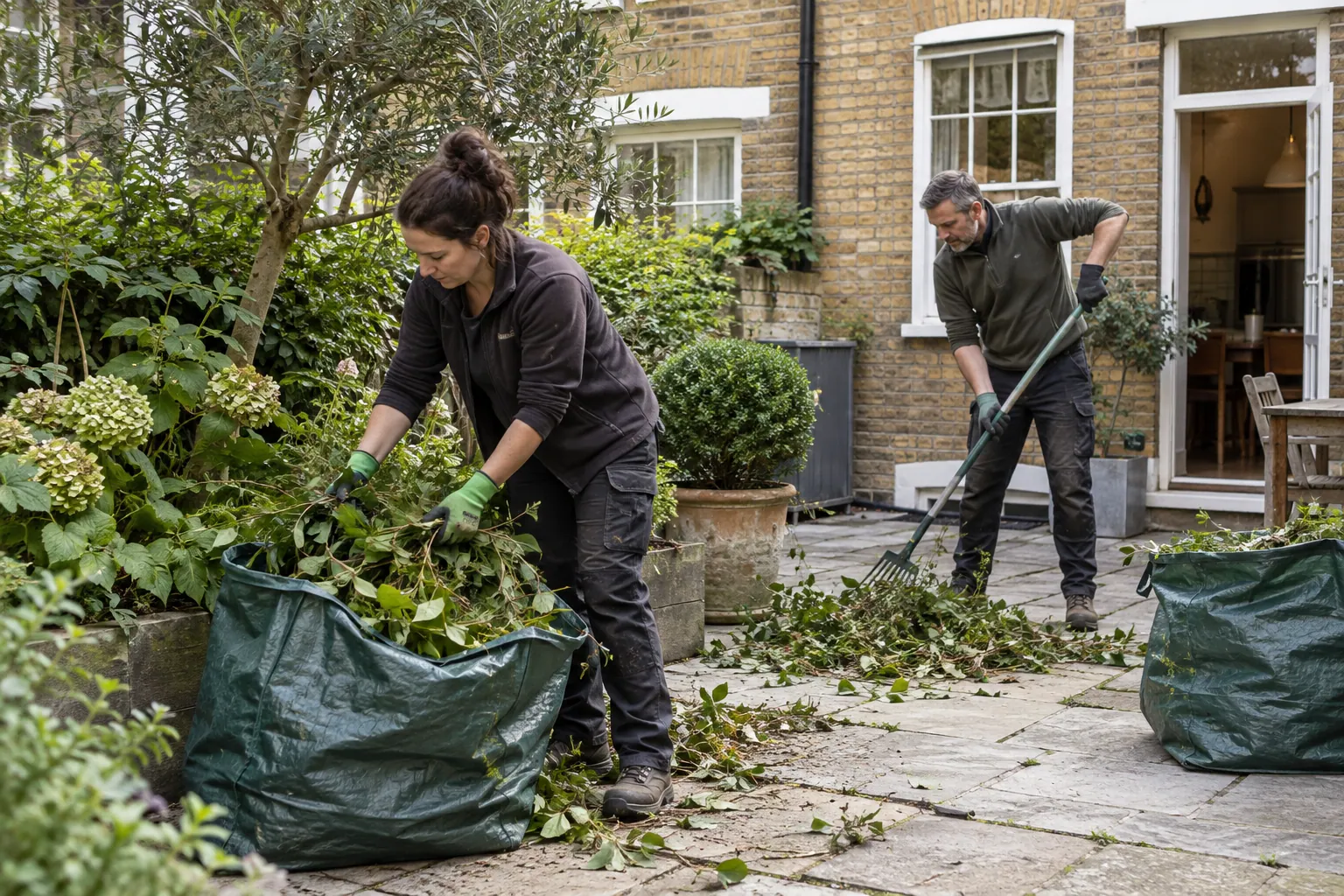
The team gathers the specified cuttings and retrieves loose material from adjoining accessible paths. Vegetation retained for composting goes to its identified suitable position. Relevant allowances and extra removal charges are shown below, while the actual load determines the handling included. Household rubbish, rubble and other objects remain separately identifiable, keeping the completed gardening collection related to the contents found and the destination established for them.
Our finished area follows the tasks completed during that visit. Surface repairs, patio washing and material elsewhere on the property retain their own proposed operations. Where dense neglected growth prevents useful ordinary upkeep, a defined garden clean-up can establish the starting space first. The gardener can then carry forward the recovered features into suitable maintenance, giving both the initial removal and later care their own practical purpose.
Returning care for the actual property
The maintenance interval accounts for growth and care taking place between appointments. Grass, hedges and mixed beds can reach their next useful stage at different times. Our returning visit adjusts the balance of those tasks before smaller accumulations become a larger operation. A one-off arrangement can also address a particular seasonal requirement, with the same attention to the actual plants and working areas included.
Access is considered alongside the garden work. Steps, narrow passages and carrying distance affect the suitable equipment and time needed to reach the included areas. Retained planting and any excluded space also form part of preparation. Once those practical details are established, the visit can progress through the intended tasks, leaving a clear maintained result and identifiable further work where the property needs a separate operation.
DEFINED WORK AND PUBLISHED GUIDE RATES
Guide prices for our maintenance service
The hourly guide rate relates to the included work and expected maintenance time. The complete quotation identifies the priority areas, materials and any separate operation beyond that maintenance request.
| Charge | Price | Basis |
|---|---|---|
| First hour | £83 | Hourly gardening |
| Each subsequent hour | £65 | Additional time |
| Included green-waste collection | No additional charge | One black bin bag |
| Extra green waste | £5 | Per black bin bag |
| Jumbo green-waste bag | £55 | Per bag |
Scroll the table sideways to see every column.
The complete booking quotation identifies the total and applicable VAT treatment.
Questions about our maintenance work
How does your team protect bulbs whose leaves have disappeared?
Existing markers and planting information identify occupied ground while bulb foliage is absent. Our gardener uses that information during accessible weeding and suitable additions to the bed. The established patch remains distinguishable through the operation, preserving the planting that is not visible at every season and keeping disturbance related to the actual available space.
How is new turf considered within your mowing service?
New turf is assessed at its actual establishment stage, with relevant installer care information considered before cutting is included. The first suitable operation follows that surface and its conditions. Our team keeps its needs distinct from the established lawn elsewhere, allowing appropriate maintenance to progress while identifying when the newer area is ready for its own suitable treatment.
Does your border service include work on planted containers?
Container work is identified separately within the requested tasks because the rooting space, compost and drainage differ from an open bed. A proposed repotting or established-container operation follows the actual plant and vessel involved. This gives it a suitable method and defined materials while ordinary border care continues around the garden's established planting.