

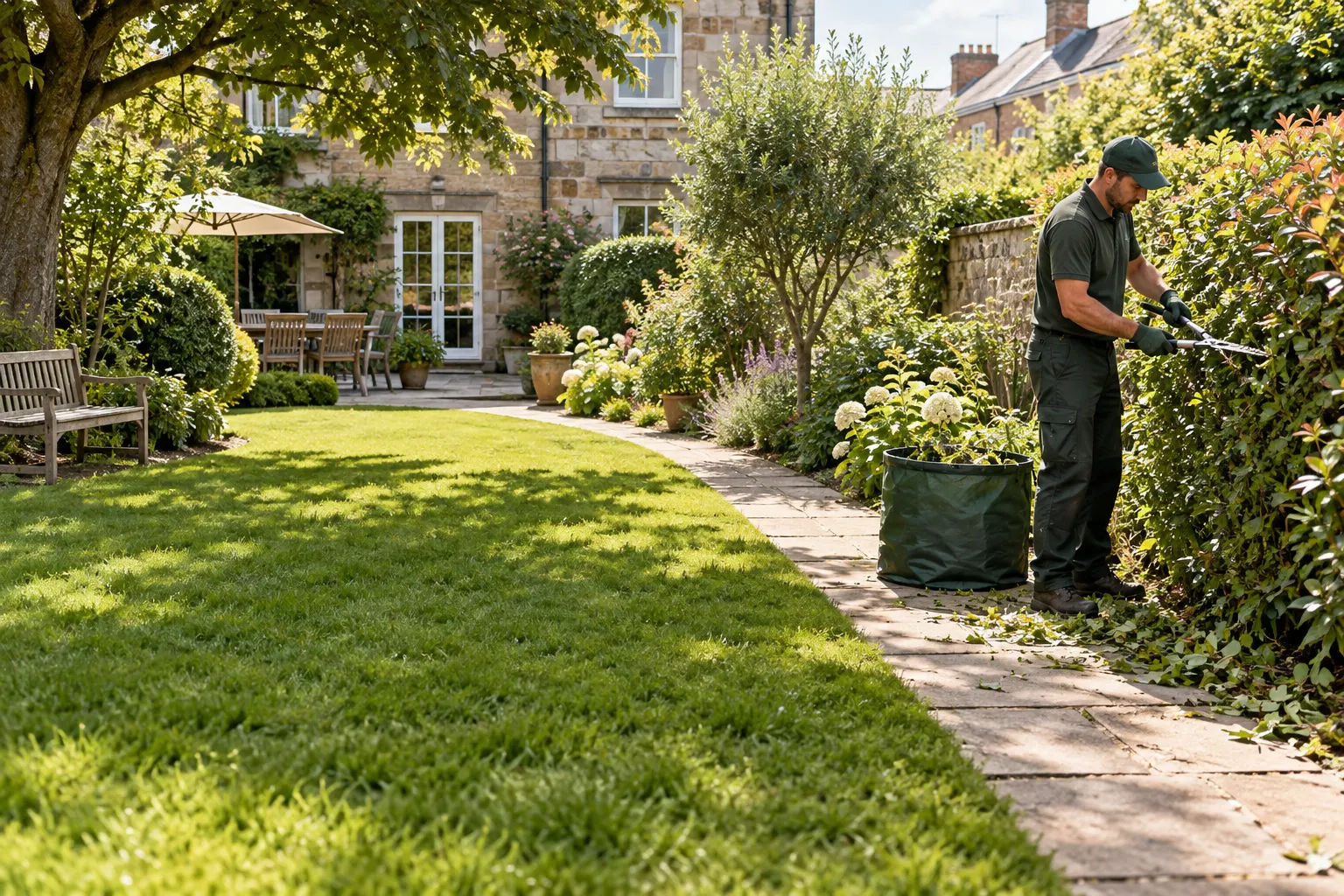
Wandsworth · Usable grass, beds and routes
Gardening services across Wandsworth
Keep the grass accessible, the beds cared for and the route through the garden clear. Arrange maintenance for a private plot or shared outdoor space, with the actual work areas set out from the start.
Make the work areas clear from the outset
Can a gardening visit cover a shared Wandsworth space?
Shared lawns, beds and hedge boundaries can be included when the work areas and access arrangements are clear. The person arranging the visit should identify which planting is communal, which areas are excluded and who provides instructions. Cutting, weeding and collection can then follow a single practical job list.
How does ongoing care differ from a communal clear-up?
A clear-up removes accumulated growth and recovers usable routes. Ongoing care deals with smaller returning jobs such as mowing, edging and keeping weeds out of beds. For a shared space, it also helps to keep the maintained boundary clear so personal planting or stored belongings are not mistaken for clearance material.
Private plots and communal ground
Give the work a clear boundary
A garden can be used by several people without every part of it belonging to the same maintenance brief. A lawn may be communal while pots beside a doorway are personal. The work needs a clear boundary, especially before cutting back growth or removing items that appear to have been left behind.
For a private garden, the same principle helps preserve the parts you want to keep. A vegetable patch, wildlife strip or newly planted corner may sit beside an area that needs heavier tidying. Showing those divisions allows the gardeners to concentrate on the mowing, bed care and suitable pruning within the intended space.
Within the agreed communal beds, regular maintenance can remove unwanted seedlings by hand, keep groundcover distinct from weeds and shorten shoots crossing the walking route where the plant permits. Work on one defined area at a time, gather the loose material and sweep the adjoining path before that area is handed back for use.
- Leave the route to a bin store open while nearby grass is cut.
- Keep marked resident planting separate from weeds being removed.
- Use a collection point that does not obstruct a shared gate.
- Gather hedge clippings from the corners of seating bays.
- Check that a gate opens freely after surrounding growth is trimmed.
Lawns people walk across
Mow around the ways the space is used
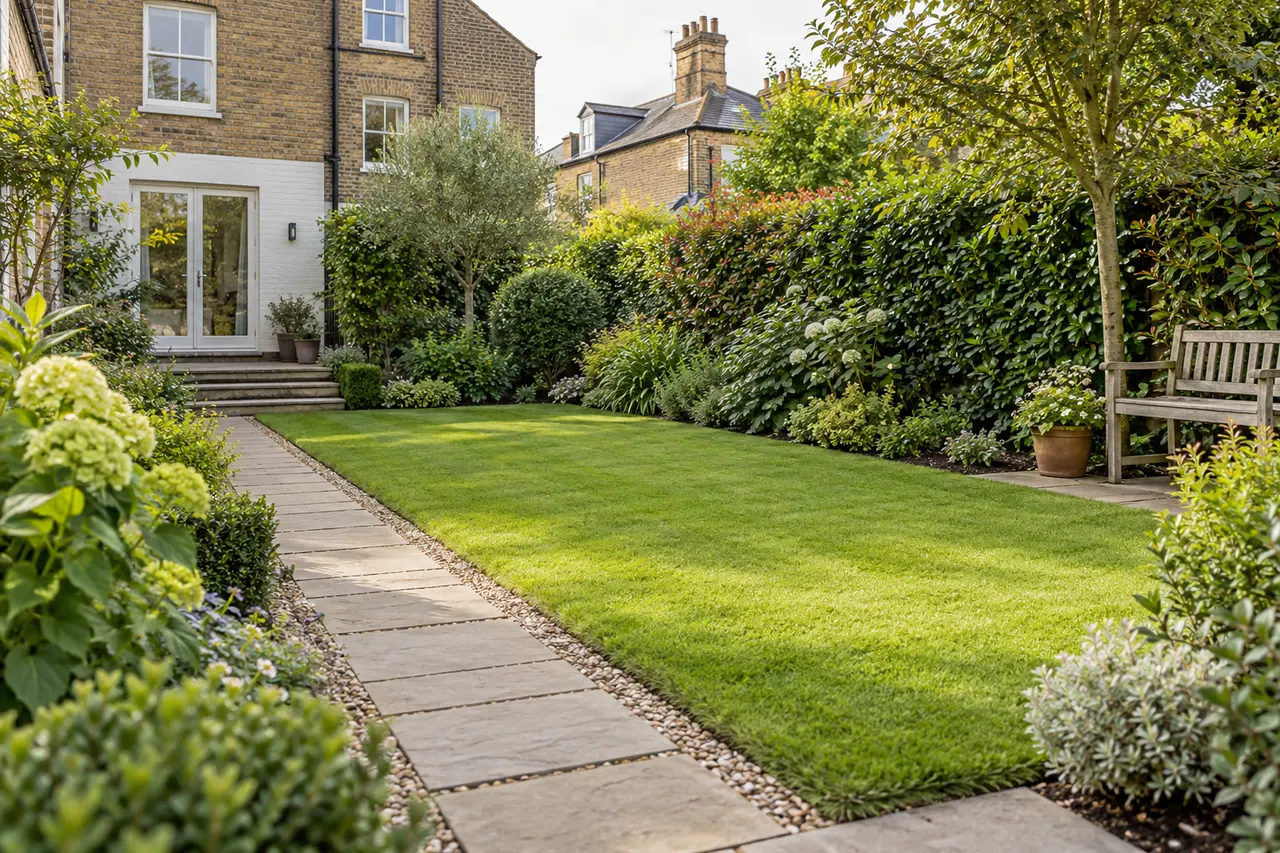
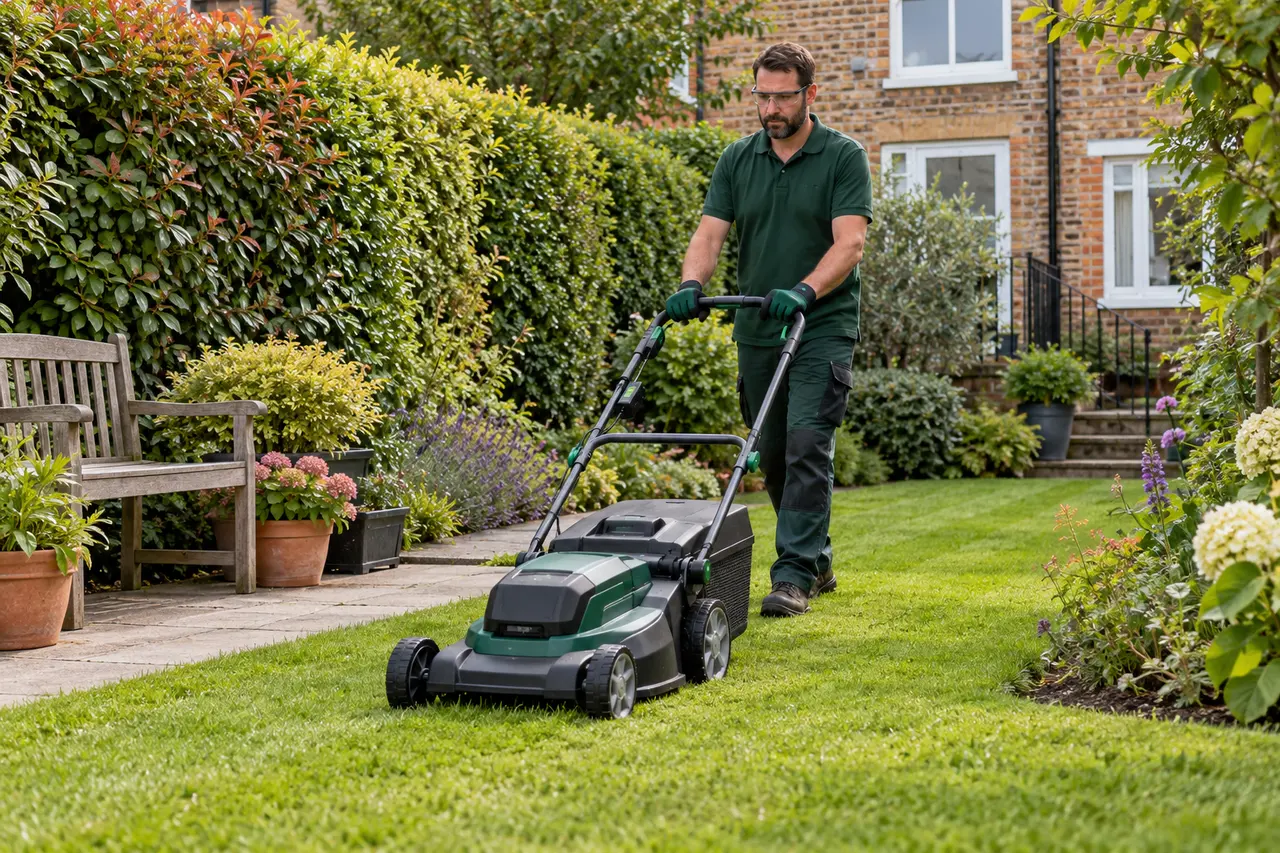
Foot traffic rarely spreads evenly across a lawn. A route between the house and a gate can wear differently from a quiet corner behind a border. Before cutting, the grass needs a check for loose objects, temporary furniture and low obstacles, together with a look at any soft or badly worn areas.
The mower route should leave enough room to turn without pushing wheels into beds or pressing repeatedly over the same narrow strip. Grass beside benches, posts and fixed edging needs its own finishing work. Where a movable item is lifted, the space beneath it should be assessed before the next pass rather than cut blindly.
A lawn-care visit can distinguish the routine cut from issues such as persistent wear or an uneven surface. Cutting alone will not settle the reason a heavily used patch remains weak. The practical plan may include closer inspection and a separate treatment scope, alongside keeping the rest of the grass at a suitable, manageable height.
Resetting neglected corners
Sort the material before the clear-up gathers pace
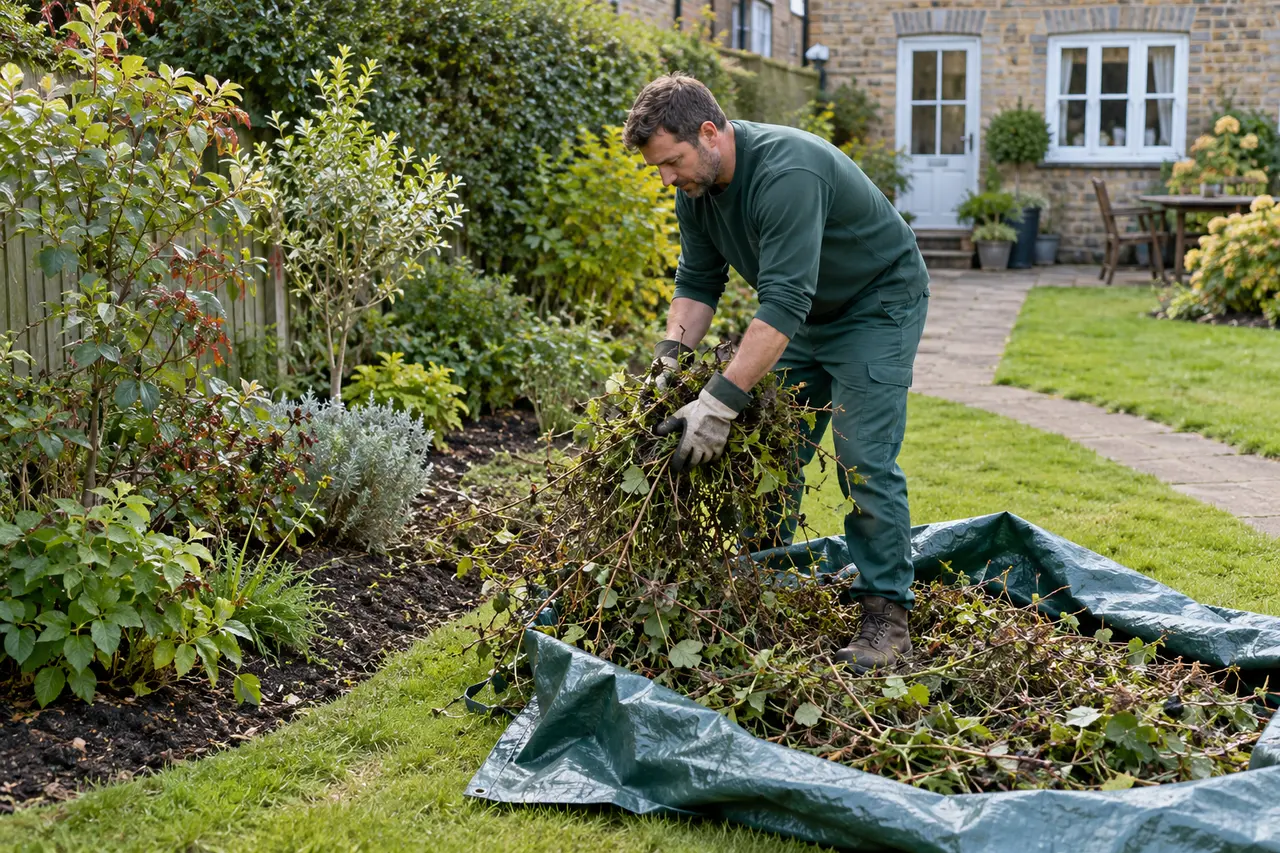
An overgrown corner can contain plant supports, forgotten pots and stored equipment as well as weeds. It needs sorting before the vegetation is gathered in quantity. That is particularly important in a shared space, where an item that looks abandoned may still have an owner or a purpose.
Once retained items and wanted plants are identified, the vegetation can be worked through in sections. Clearing the first accessible strip creates a place to see the next part of the job. Cut growth should be gathered where it will not block entrances, shared walkways or the movement of equipment still needed for the work.
Waste removal should follow what is actually being taken out. Green cuttings need to be kept apart from broken glass, old containers and mixed rubbish. The garden clear-up service covers the vegetation-led reset, while our waste-handling guide explains why different materials may need different disposal arrangements. The initial scope should leave room to pause if hidden hazards appear.
Boundaries that frame the garden
Keep hedge growth out of the working openings
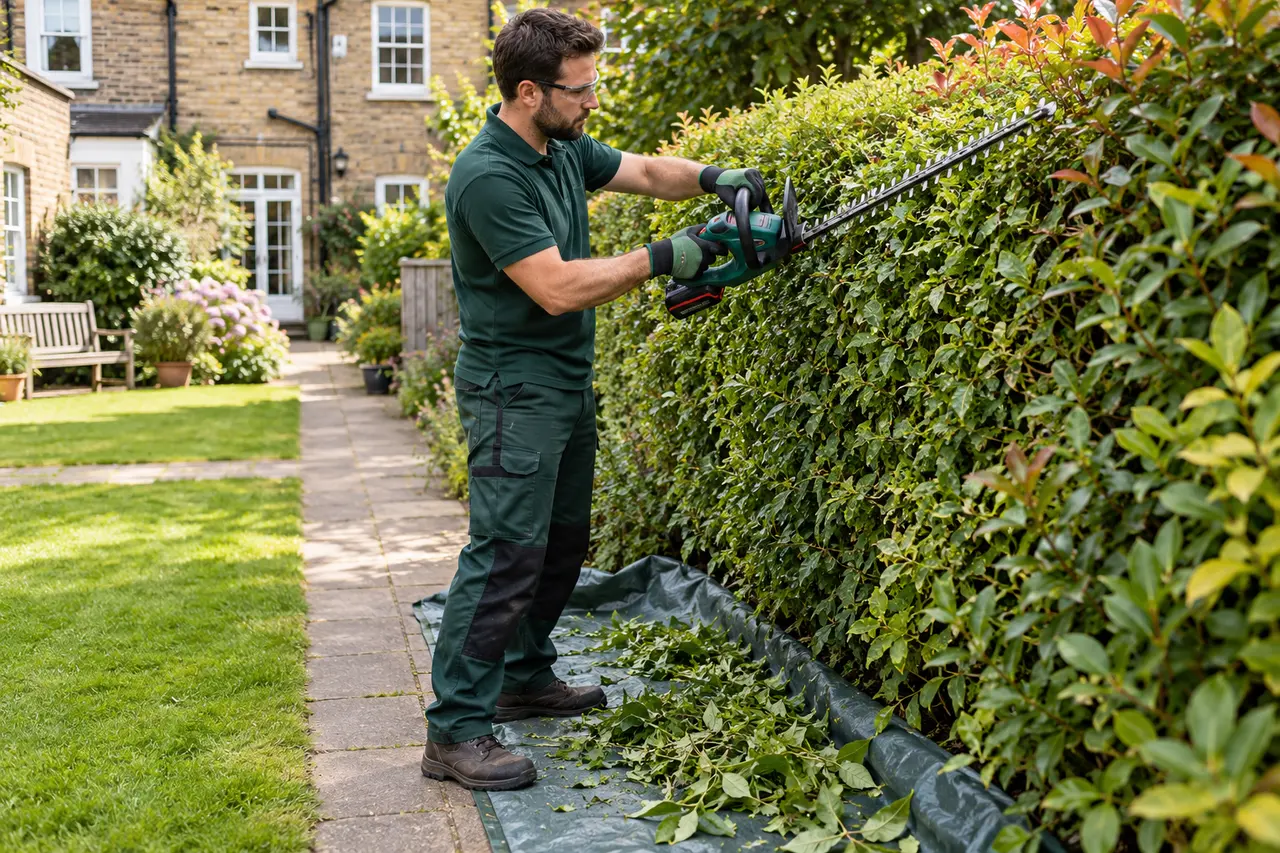
A hedge beside an entrance can narrow the place where people stand to unlock a gate or carry an item through. Suitable trimming can recover that opening while retaining the boundary's useful screen. The face beside the access route may need a different amount of attention from the part overlooking the lawn.
The gardener needs to see the top, sides and any growth extending into another space. A reachable trim is planned around firm footing and the location of the cut material. Clipping sheets help keep small pieces out of planting below, and collection should include the corners where a mower or sweeping brush cannot easily reach.
A reduction involving thick stems is a different task from trimming recent growth. The plant's response, the work position and any applicable tree restrictions need attention before heavier cutting is arranged. Active nests require affected work to wait. Tree surgery provides the appropriate route when the operation involves limbs, substantial reductions or a more complex canopy.
Beds with several contributors
Keep the planted areas recognisable as they develop
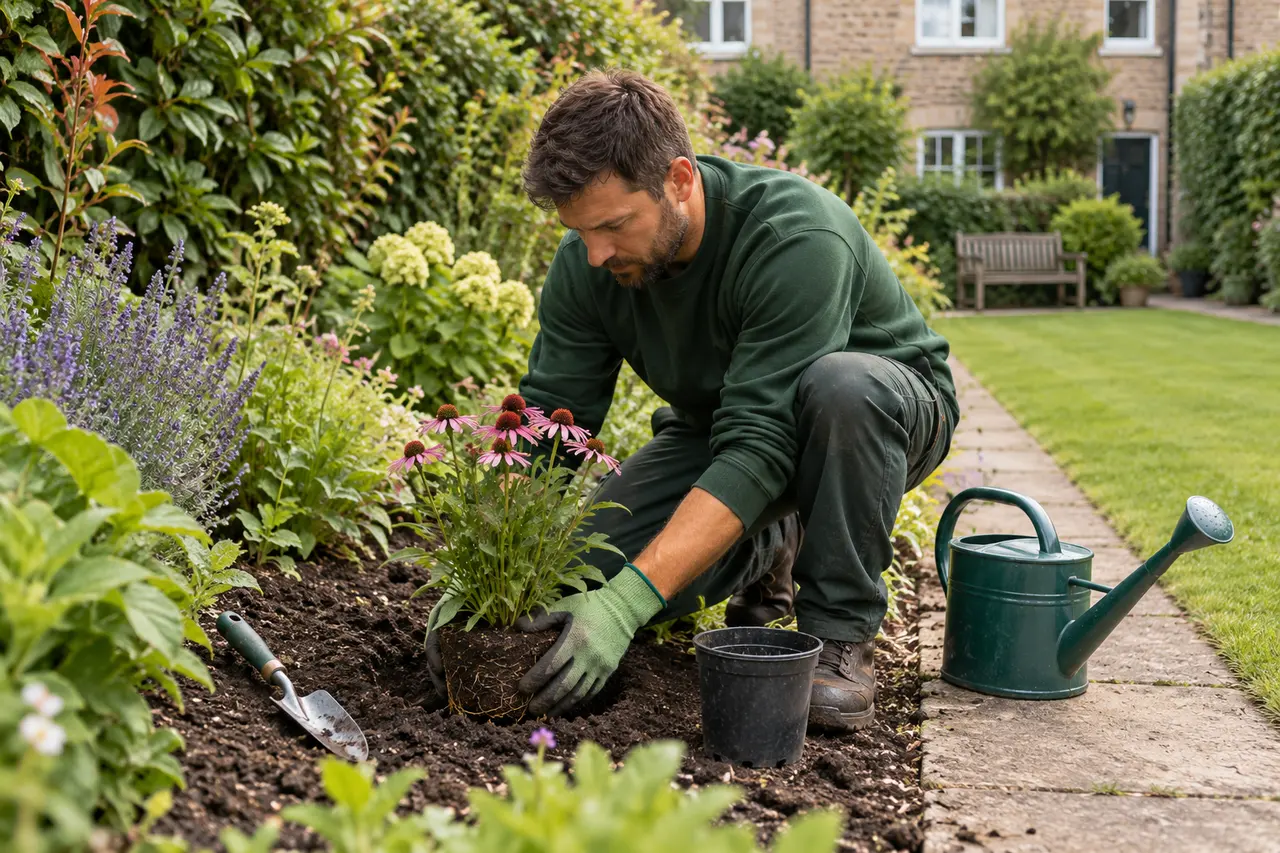
A planted bed becomes harder to maintain when its intended plants cannot be distinguished from the growth around them. Labels, marked photographs or a brief planting list help identify what stays. The task is then to remove weeds and unwanted material around the plants, with care at crowns, shallow roots and young stems.
New additions need a suitable position as well as enough space for the pot they arrive in. Light, watering access and the spread of neighbouring plants all affect the choice. A small gap at the front of a crowded bed may not remain a gap once the surrounding growth fills out later in the season.
Ongoing care can include hand weeding, removing spent flowers and clearing fallen debris from low foliage. Large changes should have a single planting brief, particularly where several residents use the space. That avoids adding plants piecemeal without a workable plan for spacing, watering and the maintenance required after they are established.
A manageable returning workload
Use each visit to catch the next small build-up
The useful measure of a maintenance programme is what happens between visits. Grass can become difficult to use, weeds can seed into a freshly cleared bed and fallen leaves can accumulate along a common route. The interval needs to reflect those returning jobs and the way the space is used.
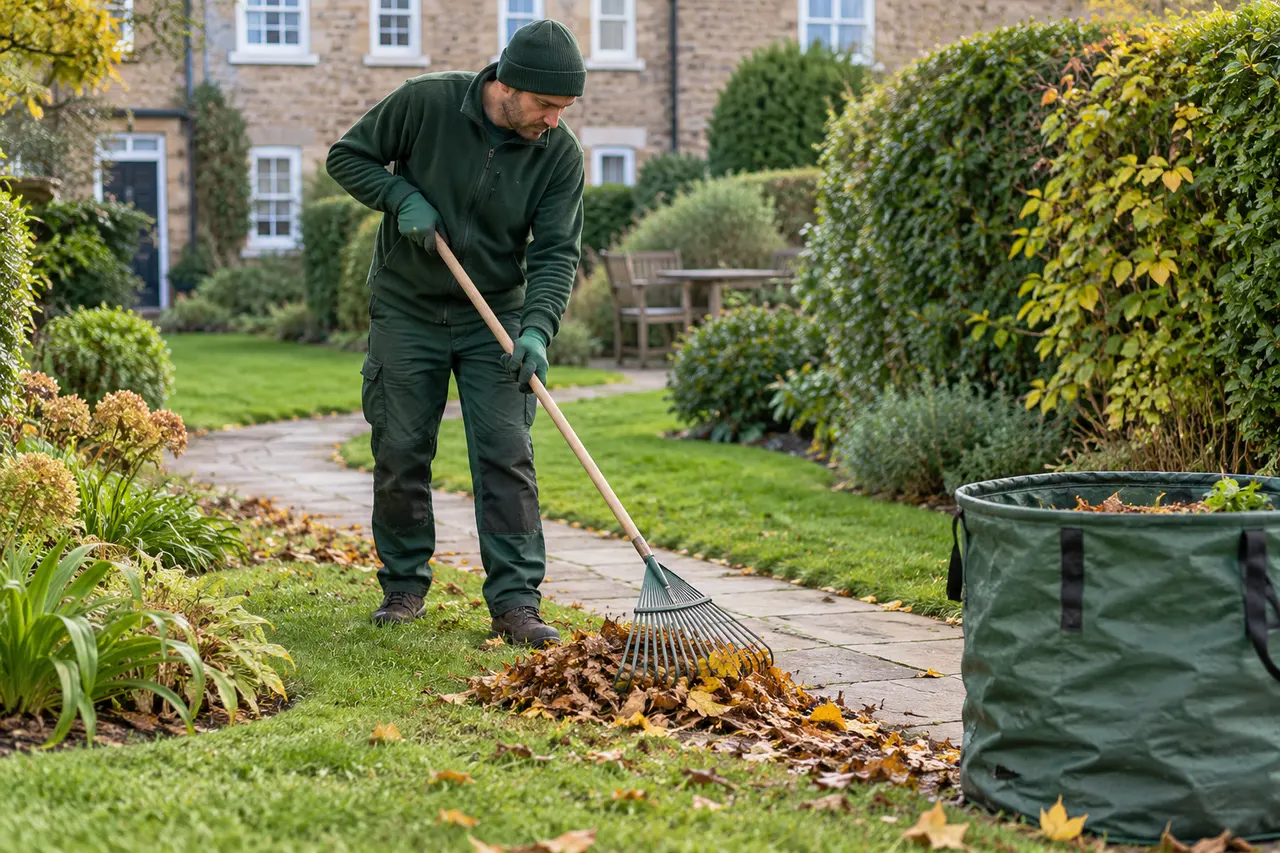
Seasonal work changes the balance. Leaf collection may take more time when a tree is shedding, while warmer growing periods can make mowing and edging more frequent tasks. Newly planted areas may need attention to watering and weed competition. Some material may be retained for composting if there is an appropriate, clearly identified place for it.
A practical review of the completed work keeps the next visit grounded in the garden's condition. It may be useful to bring a neglected edge into the programme or leave a quiet patch for wildlife. The year-round maintenance guide sets out the changing types of work without assuming every garden needs the same calendar.
When the job goes beyond routine upkeep
A layout for the people using it
If seating, planted areas and circulation compete for the same space, garden design can consider the arrangement as a whole. For shared ground, it is useful to establish the intended use before choosing new beds or planting. Design and implementation need a distinct project brief.
Give common-tree work one agreed instruction
For a shared tree, requests to prune and requests to remove can describe incompatible outcomes. Establish one authorised instruction for the specific tree operation before work is arranged, identifying the tree and the agreed result. A passing request from another resident should not silently alter that scope while cutting is underway. Changes need to return to the person authorised to instruct the work, rather than leave the crew choosing between conflicting preferences.
A cleaning sequence for shared paths
For a shared route, jet washing needs a working sequence as well as a cleaning area. Treating manageable sections makes it easier to keep track of the wet zone, hoses and equipment. Any route residents must keep using needs to be identified before the cleaning is arranged, including how the work area will be separated.
Identify the gutter runs included in the instruction
A quotation for gutter cleaning on a shared building needs the intended lengths and outlets clearly identified. Separate the run above communal ground from any other section outside the instruction. Marking these on a full-building photograph makes the extent of the proposed cleaning clear, especially where several connected rooflines appear from the garden.
A clear handover at a shared entrance
An authorised recipient is useful when a Christmas-tree delivery serves a shared building. Any reception arrangement or entry condition belongs in the request before the order is placed. The person receiving the tree should have the order reference and know what has been ordered, so separate resident or communal orders can be handed over correctly.
Published rates and the complete work scope
The general gardening guide rates apply to the time-based work shown here. A larger shared space or initial clear-up needs the actual areas, access and waste quantities included in the quotation.
| Gardening time | Guide price |
|---|---|
| First hour | £83 |
| Each subsequent hour | £65 |
The final GBP total should identify the agreed gardening and removal scope, applicable charges and VAT treatment. These are not special communal or local tariffs.
Questions for private and shared garden visits
Who should give instructions for a shared garden visit?
Nominate a contact who can provide a single work list and the necessary access arrangements. Conflicting instructions during the visit can make it unclear which plants or areas are included. The scope should be settled with the people responsible for arranging the work before cutting begins.
Can residents' pots stay beside a maintained communal bed?
They can remain where the work has enough safe access and their position is clear. Pots may need moving if they obstruct a mower turn, hedge face or carrying route. Personal containers and their plants should not be treated as clearance material without the relevant instruction.
How is a gate kept usable during a larger clear-up?
The work needs a gathering point clear of the opening and a route for removing material in manageable amounts. If the gate is the only access, this is part of the sequence from the outset. Cuttings should not be allowed to build into a barrier across it.
Can one area be left less tidy than the rest?
Yes, a retained patch can be excluded from the main tidying brief. Mark its boundary and purpose clearly, especially if different people provide access on different visits. Controlled edges and open paths can be maintained around it while the chosen growth is left in place.
Does the quote cover collecting unrelated dumped rubbish?
Not automatically. The gardening quotation covers the specified vegetation and agreed removal arrangements. Household rubbish and potentially hazardous material need separate identification and an appropriate disposal route; do not assume an unknown pile is included in ordinary garden clearance.
Settle the shared brief before the visit
Agree the maintained boundary with the people who use the space before arranging the visit. A single garden-care scope gives mowing, beds and access routes a clear place in the job, while personal planting can remain outside it.