

Mill Hill · Maintenance for different growing positions
Gardeners Mill Hill
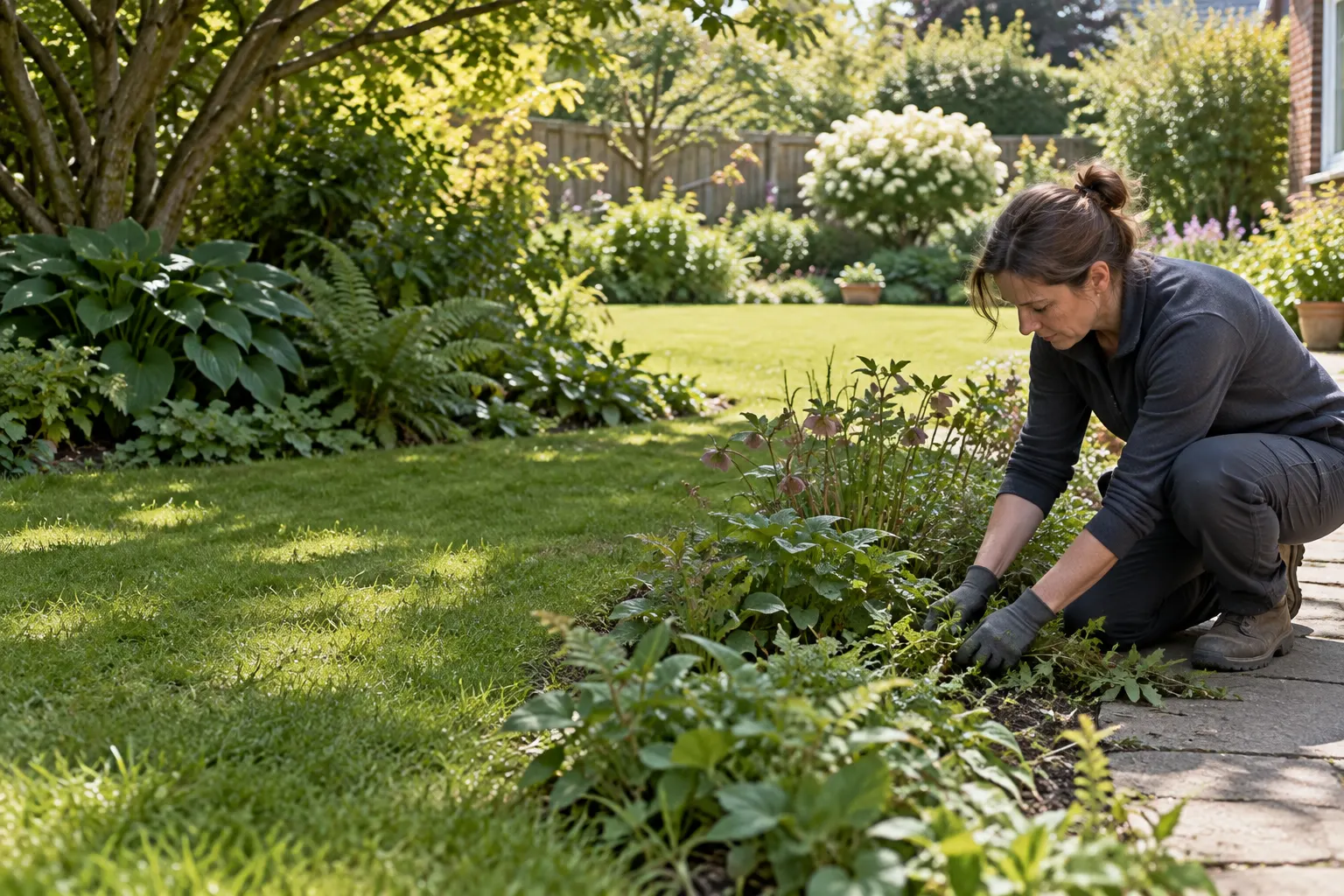
We maintain shaded planting, open grass and sunnier beds according to the plants and ground in each position. Selective weeding, watering and collection are coordinated with the lawn and boundary work, while seasonal changes in overhead foliage inform the care of the beds beneath it. One surface does not set the treatment for the whole garden.
- How do you assess planting beneath deciduous trees? We consider light across the growing season, including the change from bare branches to the leafy summer canopy above the bed.
- Where are tree-work materials positioned? The handling plan considers roots beneath open-looking ground, with storage and repeated traffic assessed separately from the visible space available.
Light and soil considered together during maintenance
How do your gardeners approach sunny and shaded beds?
We look at the plants and soil in each position before selecting the work. Shade does not establish a wet bed, and an open sunny lawn does not describe the rooting conditions beneath a shrub. Hand weeding, watering and collection can therefore vary within one visit. The working areas remain coordinated while each planted space receives attention for what is actually growing there.
How can the same visit address different garden conditions?
Our sequence can combine accessible weed removal in one bed with leaf collection from another, while mowing follows the lawn’s condition. A soft area can be left out of equipment movement even where useful work remains elsewhere. We identify those different operations and boundaries so the visit makes practical progress without forcing every planted area or surface to receive an identical treatment.
Planting beneath overhead growth
Watering selected from the actual soil condition
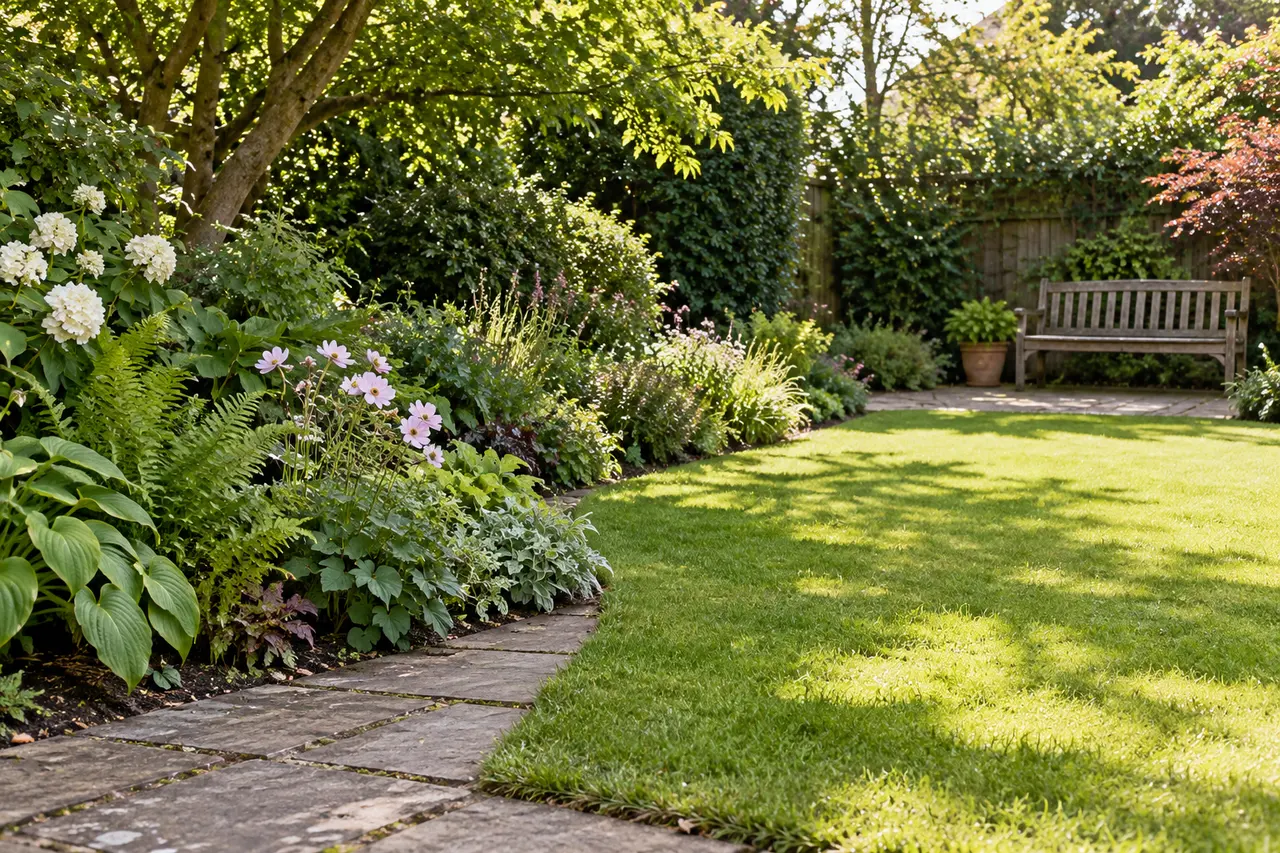
We distinguish overhead cover from buildings, shrubs and daily shade as part of the actual growing position. Established roots, rainfall reaching the ground and surface material are considered together. The gardener then selects attention for those plants and soil. This gives a shaded bed an individual care decision informed by its surroundings and the moisture available at root level.
Where watering is required, it is directed to the relevant soil. Overhead leaves can change where rain lands, so the root area is checked alongside plant condition. More water is selected only where that care is appropriate. The operation then follows the needs of the identified planting, keeping the amount and position connected to its actual growing space beneath the canopy.
Our garden-maintenance visit coordinates that close attention with grass and boundary work. Recent additions stay identifiable and known plant information remains with their positions. Bases and watering areas are kept accessible, with loose debris gathered from low foliage. The bed then has a practical approach for its next care task, preserving the plant information needed as surrounding growth changes.
- We check moisture within the planted growing area.
- Known plant positions stay identifiable beneath changing foliage.
- Firm approaches keep repeated footsteps out of soft beds.
- Loose fallen leaves are separated from useful mulch.
- The lawn cut follows its current growth and weaker sections.
Controlled work at plant level
Weeding from an accessible edge of dense planting
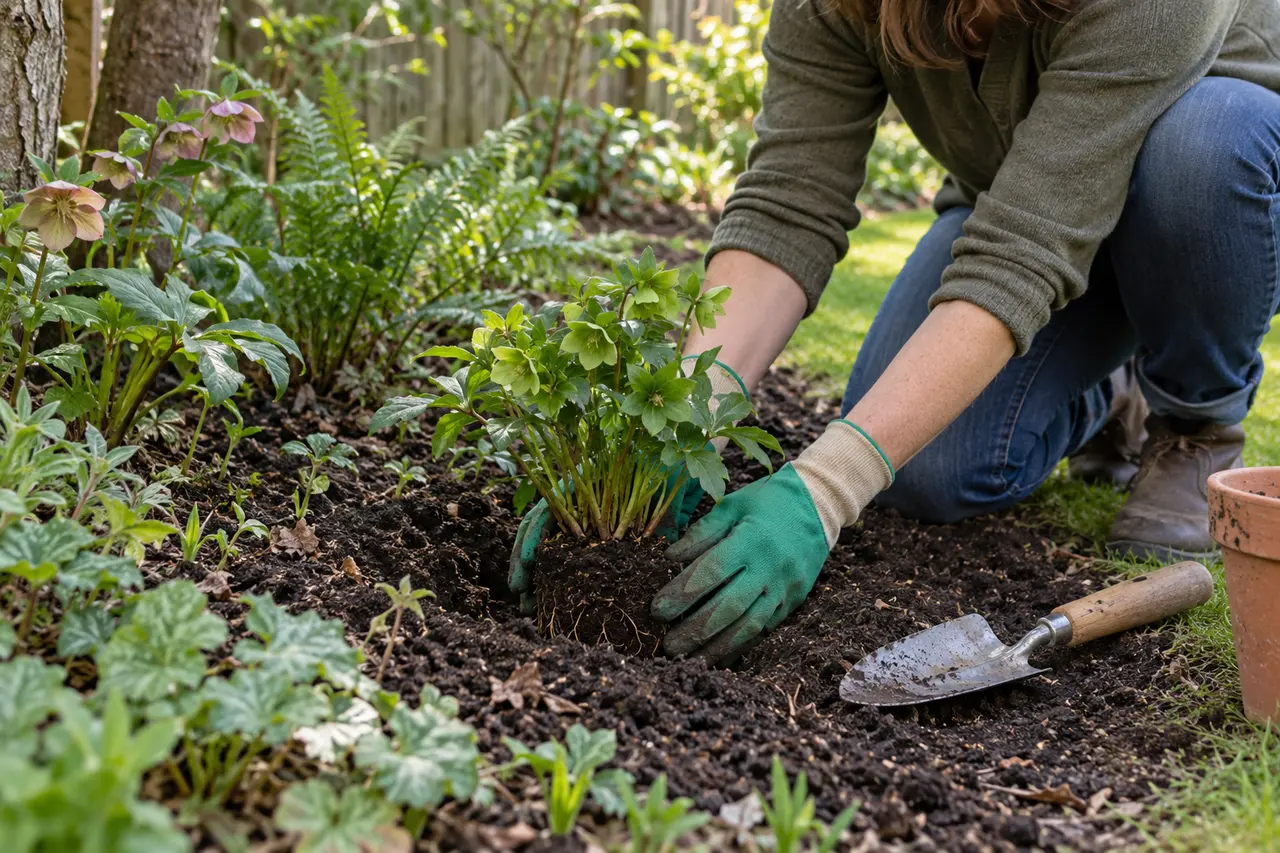
The gardener establishes a firm working position before close work beneath dense foliage. A weed beside the path and one behind a crown can require different approaches. Tools follow the portion that can be controlled from that space. This keeps foot traffic outside planted soil and provides a visible operation around low plants, including where their leaves conceal the ground.
Unwanted roots are loosened selectively, with useful neighbouring plants kept seated. Trailing growth is identified before removal, since it may extend from another position in the bed. Collected material goes into a nearby container. Where roots are firmly entangled, the remaining task is recorded for another approach, keeping that particular conflict visible within the wider maintenance.
New planting follows a more precise position than a general description of shade. Intermittent light through a leafy canopy differs from deeper cover beside dense evergreen growth. We consider that observed light together with soil moisture, keeping plant identification with its position afterwards. A plant needing damp shade is not placed in dry ground solely because both locations lack direct sunshine. The selected planting follows both parts of its growing requirement.
The open lawn and its changing margins
Grass cutting follows the whole working surface
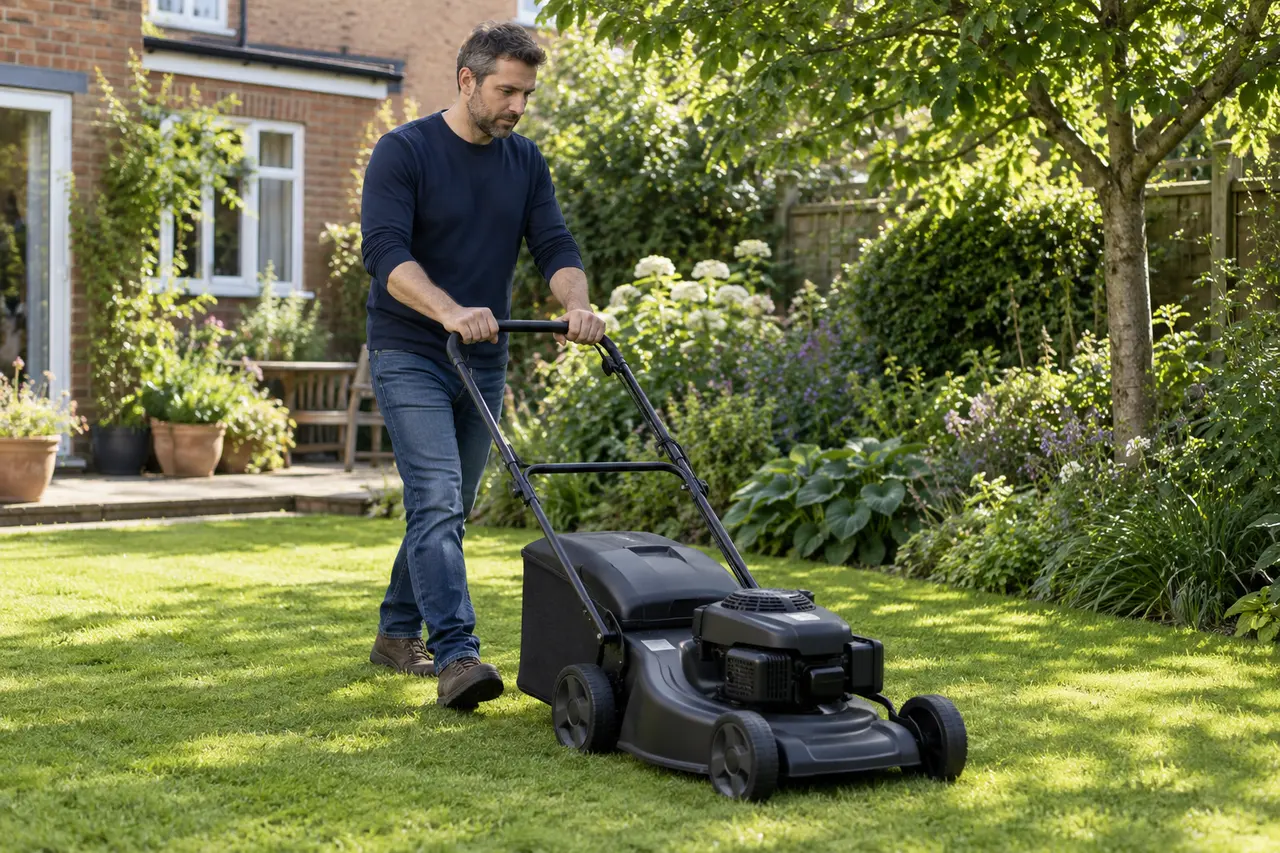
Before lawn work, our gardeners inspect variations in growth and firmness across the proposed route. Loose objects and low obstacles beneath overhanging plants are identified before equipment proceeds. A clear open starting strip alone does not establish a suitable route through a thinner or softer section. The cut includes the practical movement and turning space needed around the lawn, not only the view of its strongest central growth.
The mowing setting follows the grass and ground, including weaker sections. Turns stay within the suitable lawn surface, with overhanging foliage accounted for before the machine approaches. A narrow margin can receive separate finishing. This completes the grass operation while the bed remains outside its movement, leaving each growing area with its own practical boundary.
We gather loose clippings from the worked adjoining surfaces. A persistent lawn issue is identified for further consideration of shade, wear or soil conditions, which can have different effects. Routine mowing continues on the grass available for that care. The useful result is an appropriate cut and clear finish, with the affected patch still recognisable for its next operation.
The boundary beside planted beds
Hedge maintenance keeps its purpose within the planting
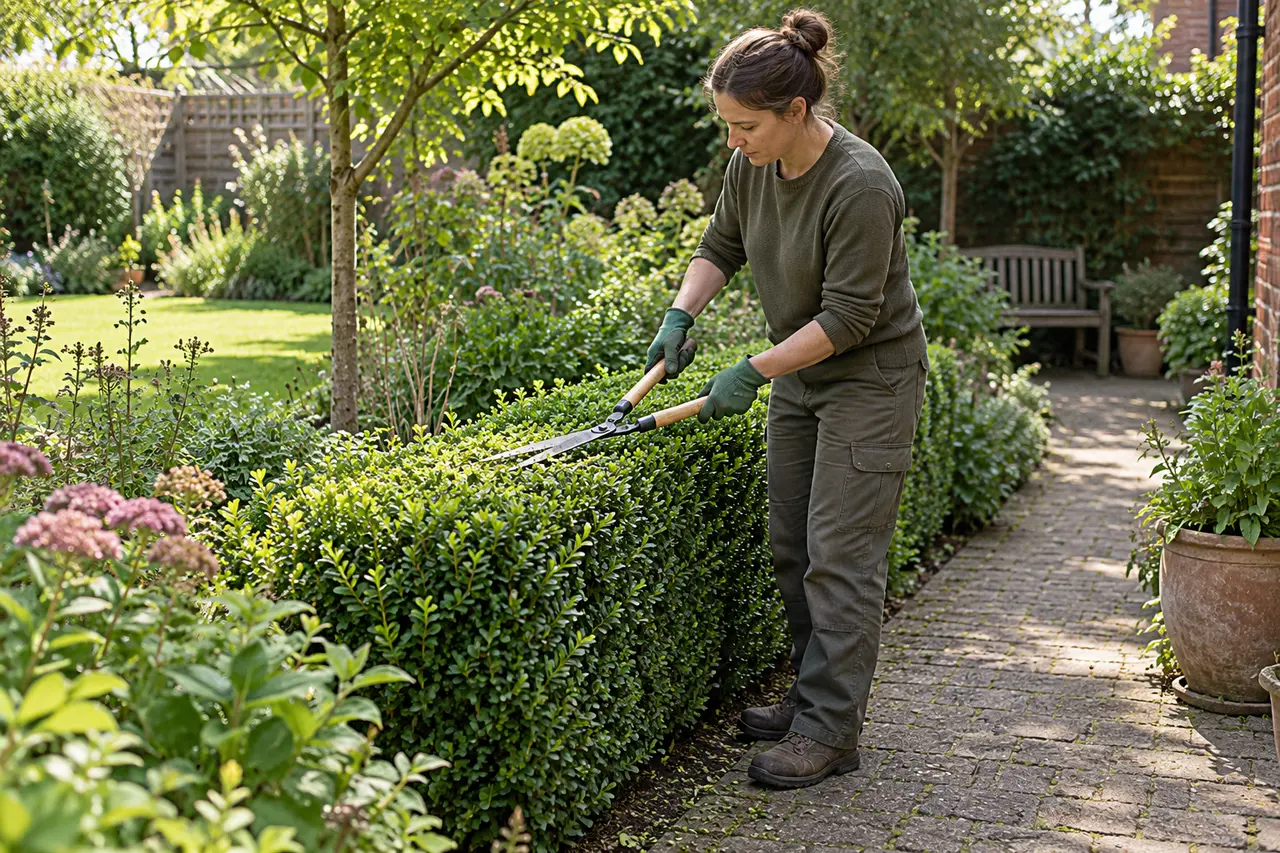
Our hedge proposal identifies the intended outline and role in shelter or screening. The plants below remain part of considering a major change, including those suited to the existing position. Routine care follows the hedge’s actual extension and condition. This gives the boundary its own maintenance purpose while preserving the distinction between that trim and a wider adjustment to light within the bed.
Reachable hedge work uses a controlled position and a cut appropriate to species and condition. Checks for nests being built or in use precede cutting, with affected work postponed. Low plants and exposed roots remain outside the standing route. Deeper reductions and substantial branches are distinguished from a light maintenance trim, keeping the available operation clear instead of extending it through a series of improvised reaches.
As the cut proceeds, hedge extension is distinguished from bed growth passing through it. Accessible fragments are gathered from the work area, leaving useful foliage and the carrying route clear. The completed screen keeps its intended outline beside the planted space, with the different plants identifiable for their next care. This connects the collection finish with the individual cutting decisions already made.
Collection beneath existing planting
Loose layers removed while useful cover remains
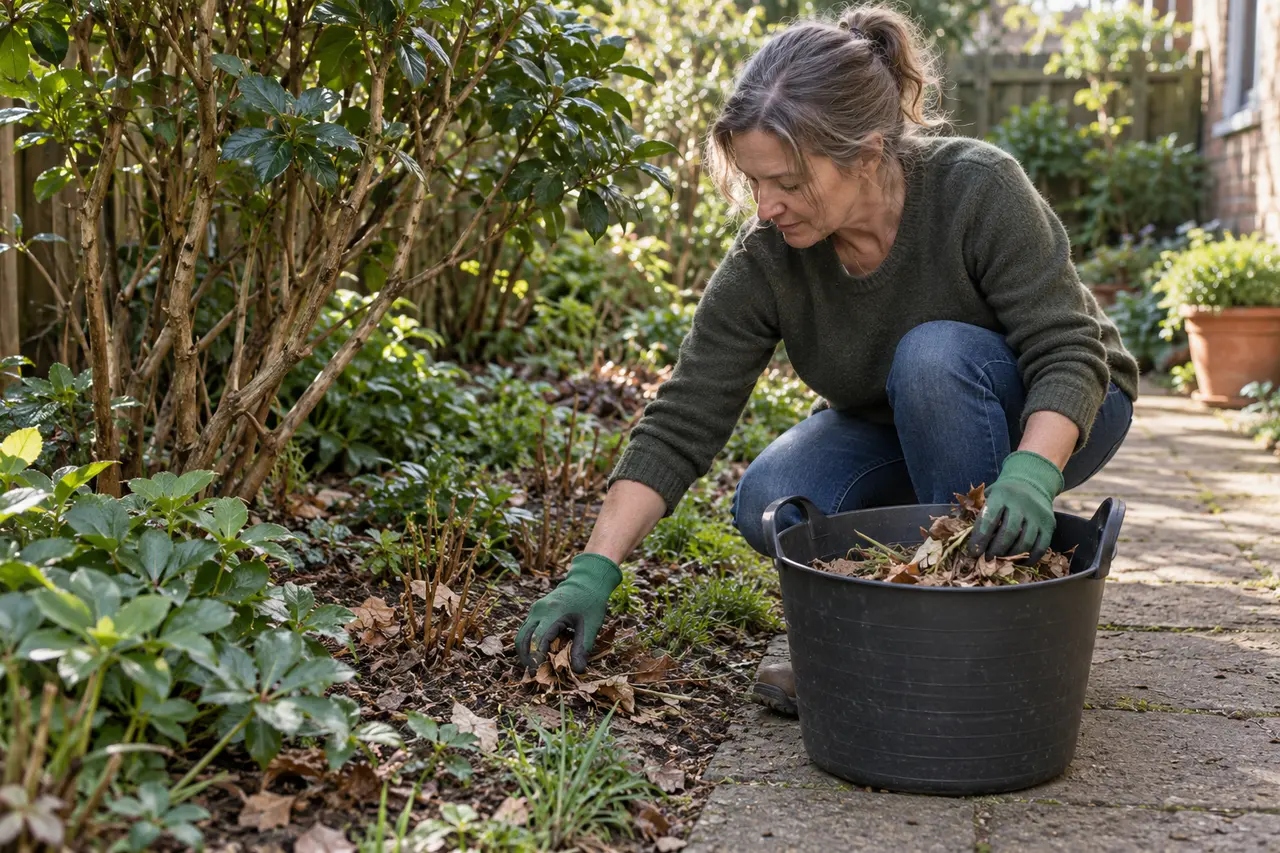
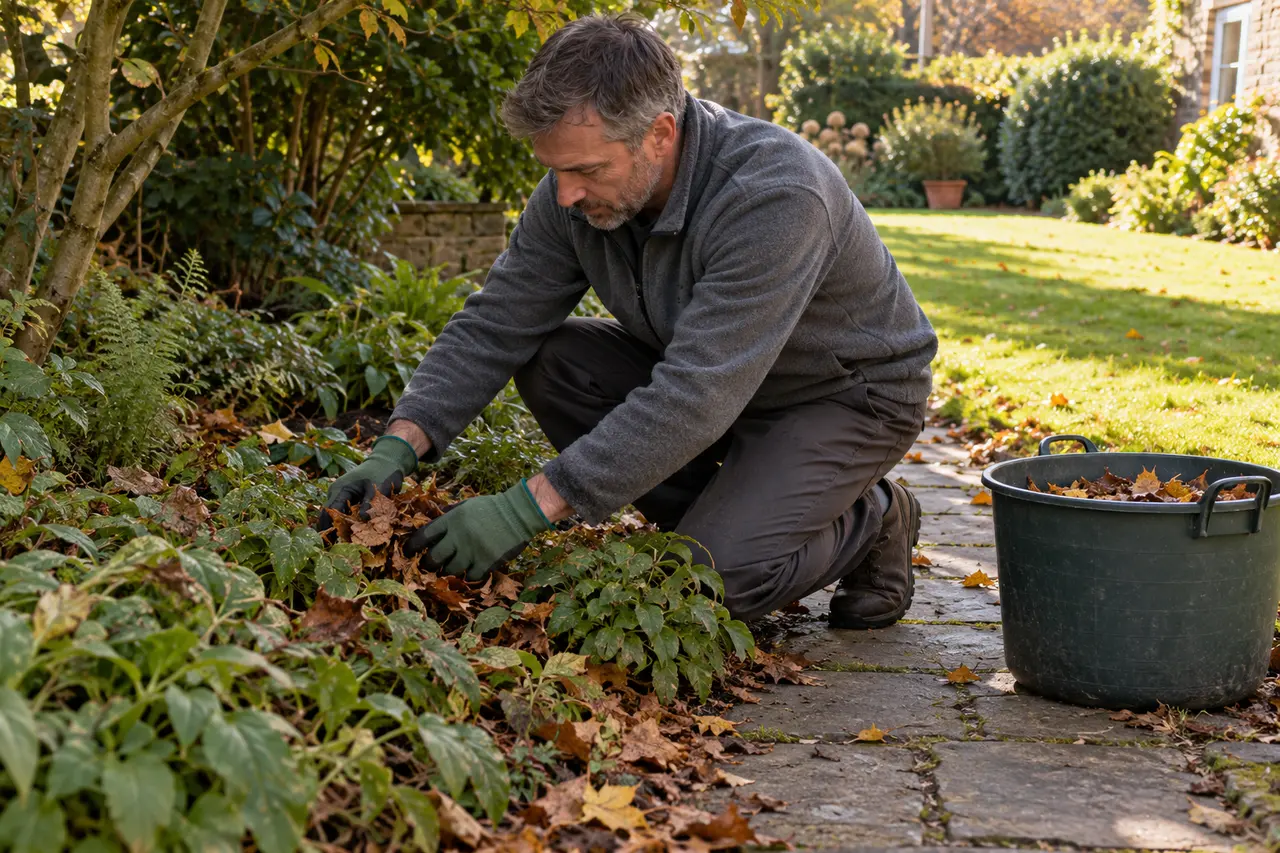
The gardener identifies loose leaves and old cuttings separately from material serving as mulch. Collection can then lift accumulations covering low plants or blocking access while leaving appropriate soil cover in place. The finished bed keeps its intended layer visible. This gives the surface attention a defined material and purpose within the living planting, allowing later care to follow the same distinction.
Our garden clean-up opens an overgrown section in stages, distinguishing loose material from rooted growth. Wanted plants remain identifiable through the changing view. Sharp or unfamiliar objects pause the affected handling until the next method is established. The exposed surface therefore provides a clear basis for continuing selection, keeping the different materials and growing plants separate throughout the recovery.
The garden-waste guide distinguishes gathered vegetation from broken pots, ties and other rubbish. Material being kept has its own position instead of being returned to the nearest shaded corner. The completed section stays available for subsequent care, with the intended plants and covering still apparent. This finishes the collection as an actual removal arrangement, not a transfer of the same mixed material to a less visible part of the bed.
The growing position through the year
Care accounts for the canopy coming into leaf
Our planting observations include the change from light through bare branches to the cover of a summer canopy. That change informs additions and the way existing plants develop. The first bright view of the year is useful but does not describe the complete growing season. Known plants remain identifiable as their neighbours fill out, allowing the next maintenance task to follow their actual position beneath the changing foliage.
The seasonal hand work includes gathering leaves from low crowns, maintaining the walking edge and attending to commissioned new planting. Flowering stage remains part of selecting the work. A plant temporarily without flowers is not automatically cut down or replaced to refresh the immediate view. Its growth is considered alongside seasonal collection, keeping useful planting within the bed while surface attention continues around it.
Where a larger adjustment is required, established-plant moves, canopy changes or replacement groups are considered separately from routine tidying. Their intended result and aftercare need to be identified as their own operation. Maintenance can continue in the accessible existing space in the meantime. This avoids a series of incidental changes made each time the light looks different, with no clear account of how the planting arrangement has altered.
Related services around established planting
Design uses the light available across the growing season
Our garden-design brief can record the seasonal pattern of shade across a proposed bed. Bare branches and leafy summer cover provide different conditions for the planting. The arrangement considers that changing light with the plants’ actual requirements and the space available. This gives selection a full growing-season basis and carries useful site information beyond the first photograph or visit.
Tree-work handling planned around rooted ground
For tree work, the handling plan identifies material positions and repeated traffic around trees remaining on site. Open-looking ground can contain roots, with heavy loads and repeated passage affecting its soil. Storage and carrying are therefore considered for the actual area. Any protective equipment or reinstatement is separately identified within the proposal, giving the tree operation an understood working footprint.
Paving washing distinguished from underground pipe jetting
Our jet-washing service covers the specified exterior surfaces. An underground drainage blockage is a different operation, despite similar wording sometimes used for jetting. The paving proposal addresses its appropriate surface-water route without implying that a pipe below has been investigated or unblocked. This keeps the cleaning work focused on the material and surface commissioned, with the drainage problem identified for its own appropriate arrangement.
Gutter collection kept separate from pruning living branches
Our gutter cleaning removes the commissioned loose deposit from the rainwater system. Living overhanging branches retain their own tree-care decision. Where further work is wanted, the operation and purpose are identified separately from the channel clean. This keeps leaf collection and canopy changes distinguishable, with each part of the roofline arrangement addressed through its appropriate method.
Seasonal delivery follows the whole carrying route
For a Christmas-tree delivery involving stairs or a turn, we consider tree length and available headroom as well as doorway width. Netting contains branches but does not shorten the trunk. The route and handover position therefore follow the actual tree being carried, including its change of direction. A straight entrance measurement alone is not presented as an account of the complete movement to the display position.
Gardening time across different planted positions
Our quotation identifies close work beneath foliage alongside cutting and collection in open areas. The shared general rates below guide gardening time, with the particular visit following the plants, ground and accessible operations within its agreed working areas.
| Gardening time | Guide price |
|---|---|
| First hour | £83 |
| Each subsequent hour | £65 |
GBP guide rates. The full quotation accounts for work, supplies, waste arrangements, VAT treatment and applicable access or parking costs. Separately required planting changes or specialist operations remain identified within that complete proposal.
Maintenance for mixed light and moisture conditions
Does shade-tolerant also mean suited to wet soil?
We consider moisture requirements alongside a plant’s tolerance of shade. The soil beneath established roots can be dry despite overhead cover, so both factors inform selection. Watering then follows the actual plant and growing medium. This gives the position its own care arrangement while preserving the distinction between limited light and the conditions supplying water to roots.
Is a sunny winter view enough to choose summer planting?
The gardener considers how trees and shrubs will alter the light as they leaf out. Existing roots and available planting room stay part of that decision. The winter view informs the record alongside the later growing season. This gives additions an identified position through development, with the changing canopy included in their proposed care from the start.
Does opening the canopy automatically improve every plant below?
A tree or hedge change is proposed for a defined purpose, not sold as an automatic improvement for every plant beneath it. Existing planting may suit its current position, and more light is only one part of its care. Our consideration includes what will remain below the altered canopy. This distinguishes a justified boundary operation from removing growth simply because a neighbouring plant is not performing as expected.
Can fallen leaves be lifted while useful mulch stays?
Where useful mulch is to stay, we identify that covering and collect the accessible loose layer separately. Hand work can lift leaves from low foliage where broad raking would mix the materials. Remaining cover stays clear of vulnerable crowns and woody stems. The result is an attended surface with its intended covering still recognisable, not a heap left against planting because the path alongside it has been swept.
Growing positions kept identifiable through seasonal change
Our wider gardening services leave the plants, useful coverings and care positions understandable in each worked bed. Seasonal changes in overhead foliage remain connected to the soil supplying them. The next visit can follow that actual growing position, selecting attention from its development and condition. This provides continuity through a garden whose shaded and open areas can require different work over time.