

Kingston upon Thames · Practical care across separate garden areas
Gardeners Kingston Upon Thames
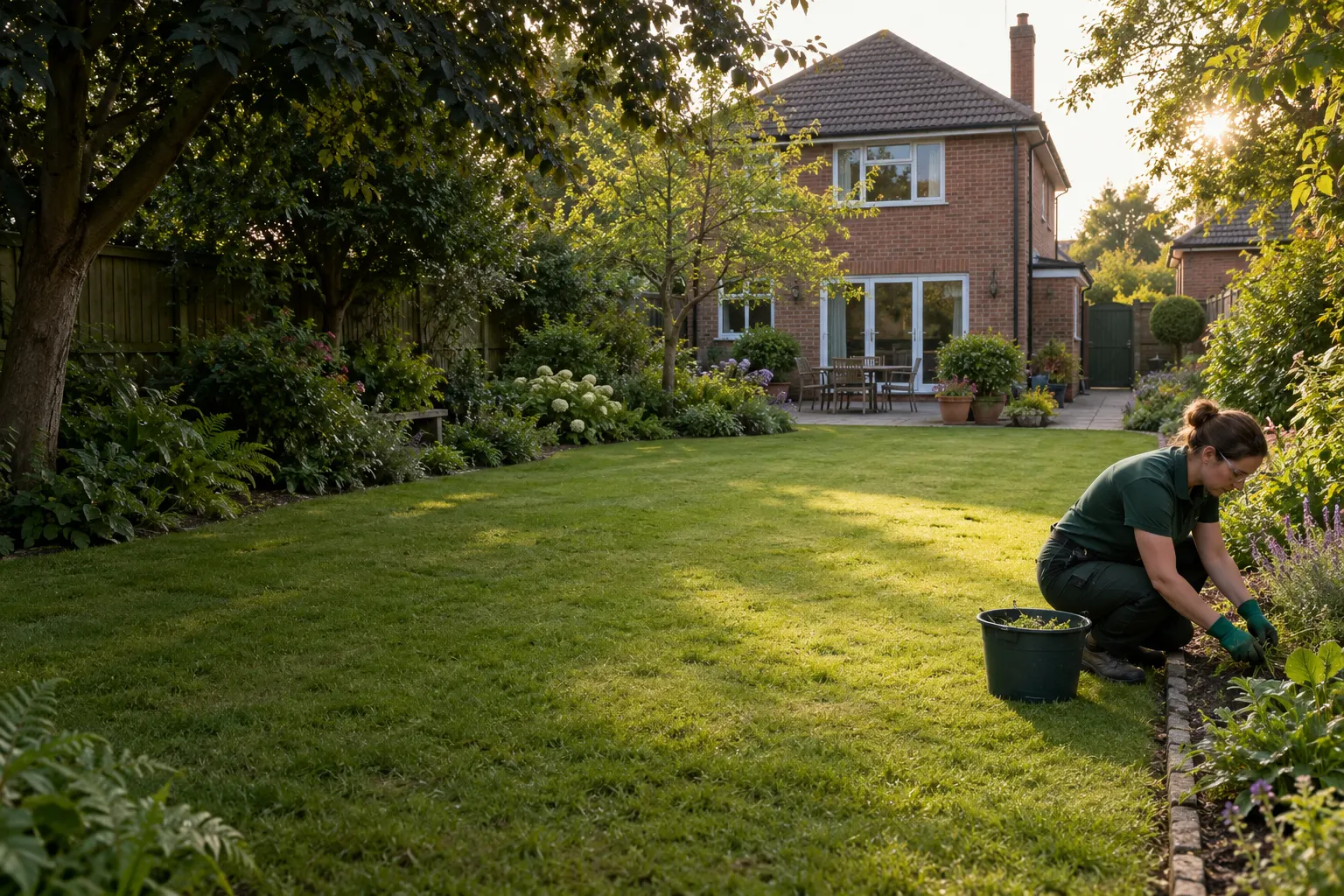
We maintain entrance planting, lawns and rear beds as distinct areas within a coordinated visit. Each receives its required cutting, hand work and collection, with gates and equipment movements considered between them. The task record keeps smaller entrance operations visible alongside the larger lawn, giving the property a practical programme that follows its different growing spaces.
- How do you maintain two different lawns? We prepare each surface separately, selecting the cut for its growth, wear and exposure and completing the accessible finishing around its own edges.
- What is included when steps are pressure-cleaned? The proposed operation identifies treads, risers and landings individually, with a safe working sequence for the actual stepped surface.
One visit with different operations in each space
How is gravel-area weeding handled alongside lawn mowing?
We treat the lawn cut and weeds in a gravel entrance as separate operations. Loose aggregate is not taken through the mower as though it were turf. Hand work and other appropriate tools follow the gravel surface and nearby planting, with that task identified in the visit. This gives the entrance its own attention instead of relying on a grass-cutting route to deal with every area crossed on the way.
How is an ongoing visit distributed across the garden?
Our programme keeps an overview of the commissioned areas while directing work towards their current needs. An entrance bed, open lawn and hedge can grow at different rates and require different methods. Some jobs may alternate, with unfinished or deliberately deferred work recorded. This preserves attention across the property without imposing the same operation on every bed simply because the team is there that day.
An area-by-area working record
Smaller entrance tasks kept alongside the main garden work
Our recurring garden maintenance records completed tasks, deliberate pauses and work awaiting its appropriate stage. The account keeps smaller entrance jobs visible while the programme responds to changing growth. The next visit can then begin with the actual areas and decisions already identified. This gives continuity across the property as attention moves between grass, beds and boundaries.
Front and rear areas can finish differently while remaining part of the same maintained property. One may need restrained hand work, another a full grass cut, while a flowering bed is left to continue its display. Our sequence distinguishes those purposes. The coherent result is the work required in each space, not an attempt to make different planting and lawns look identical through one treatment.
- We identify entrance-bed hand work as a distinct task.
- Loose cuttings are collected from routes between working areas.
- Gates are kept secure between agreed equipment movements.
- Each separate lawn receives its own pre-mowing object check.
- Intentionally deferred plants remain identified with completed work.
Grass in separate positions
Each lawn prepared and cut for its own condition
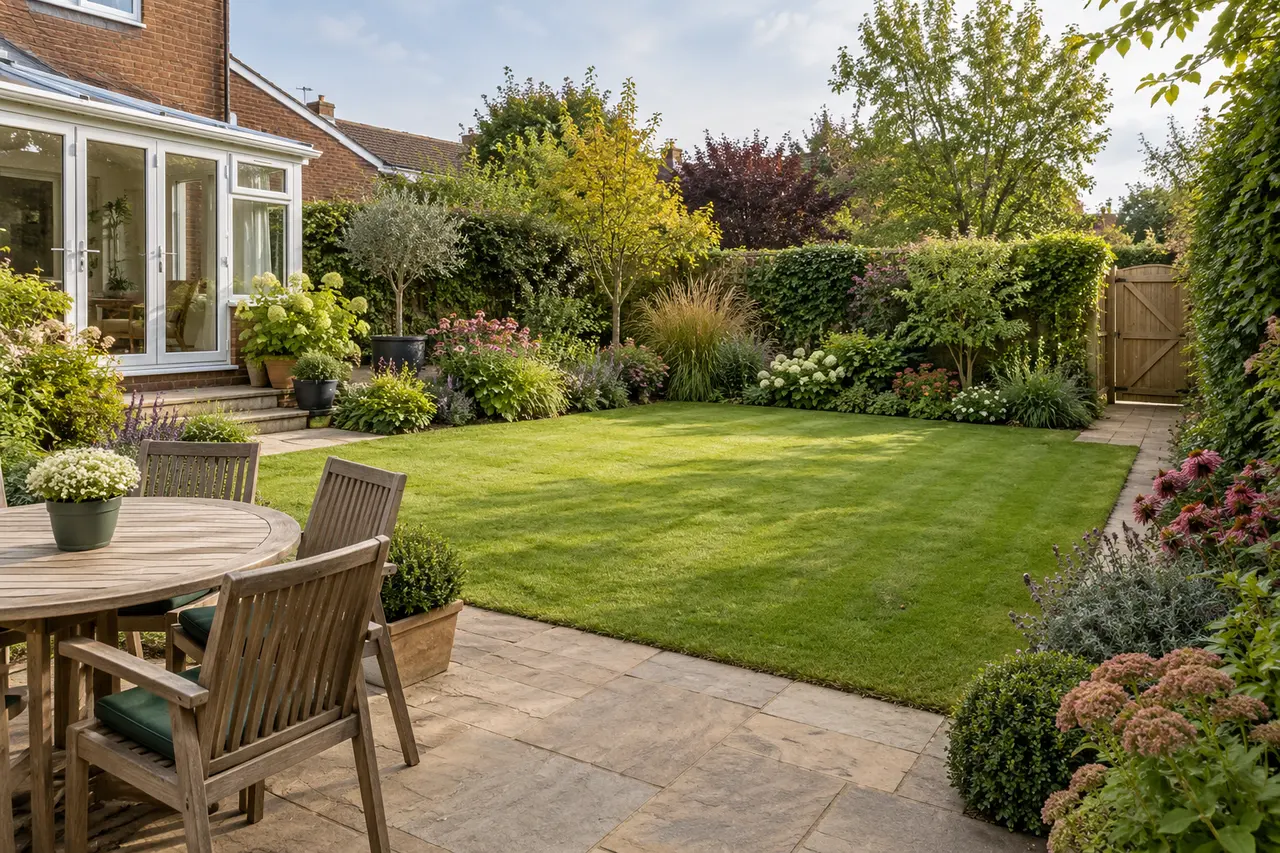
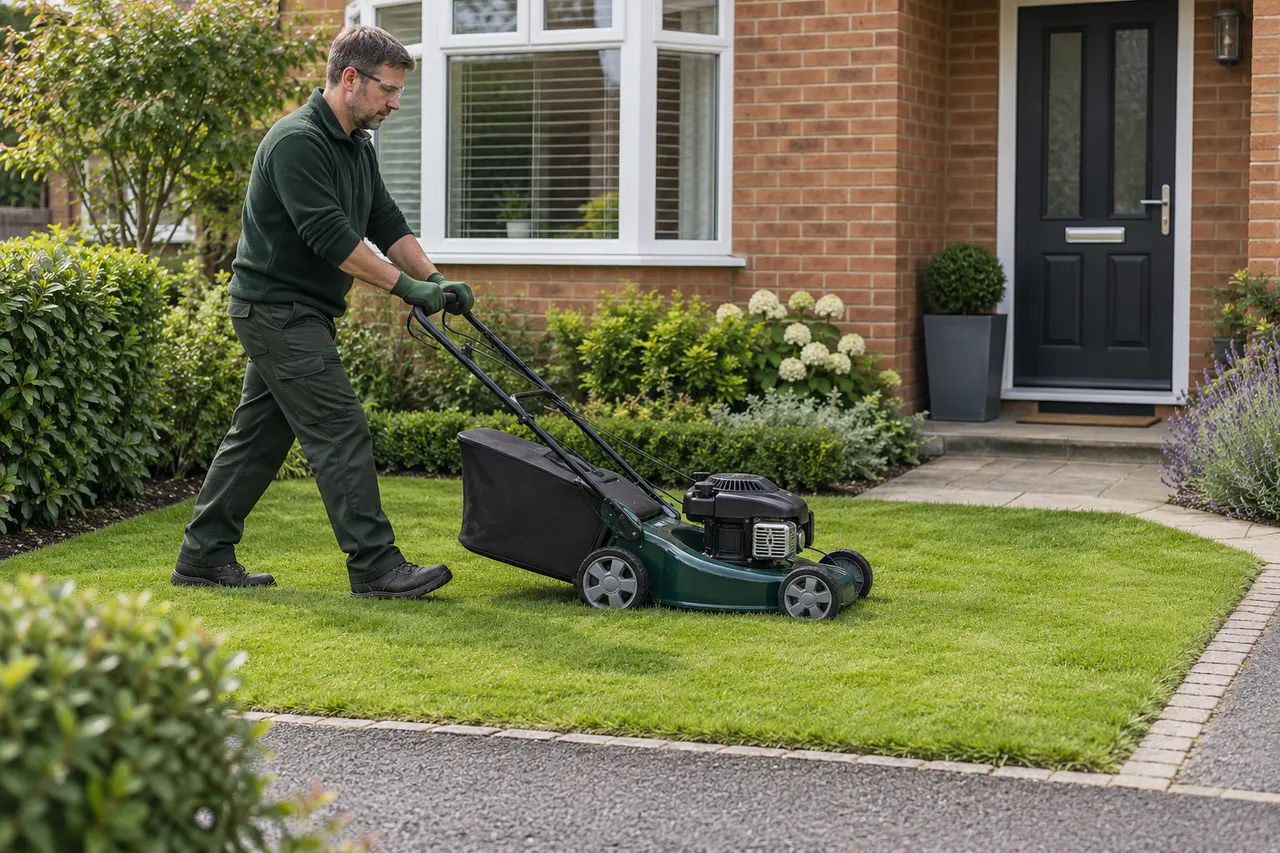
Each lawn is reviewed for height, wear and exposure before mowing. We gather its loose objects and select a cut for the particular surface. Moving equipment between the areas includes that second preparation, so separate grass positions retain their own requirements. The visit can use the same machine while accounting for the different conditions and finishing around each lawn.
Grass fragments are gathered from paved connecting routes so wheels and footwear do not carry them repeatedly through the next working area. Equipment is moved without dragging it over a vulnerable threshold or forcing it through a restricted opening. Where a machine cannot reach the grass appropriately, the method and time required are reconsidered. The carrying route therefore forms part of the operation, alongside the cut itself.
Our finish is reviewed by area: an appropriate cut, accessible edges attended to and loose material gathered from adjoining surfaces. Further lawn-care work can then address a weak patch specifically. The needs of one lawn do not become an automatic treatment for all the others. This keeps recovery decisions attached to the affected grass while ordinary cutting continues elsewhere on its own practical basis.
Hedges serving different purposes
Entrance access and rear screening maintained distinctly
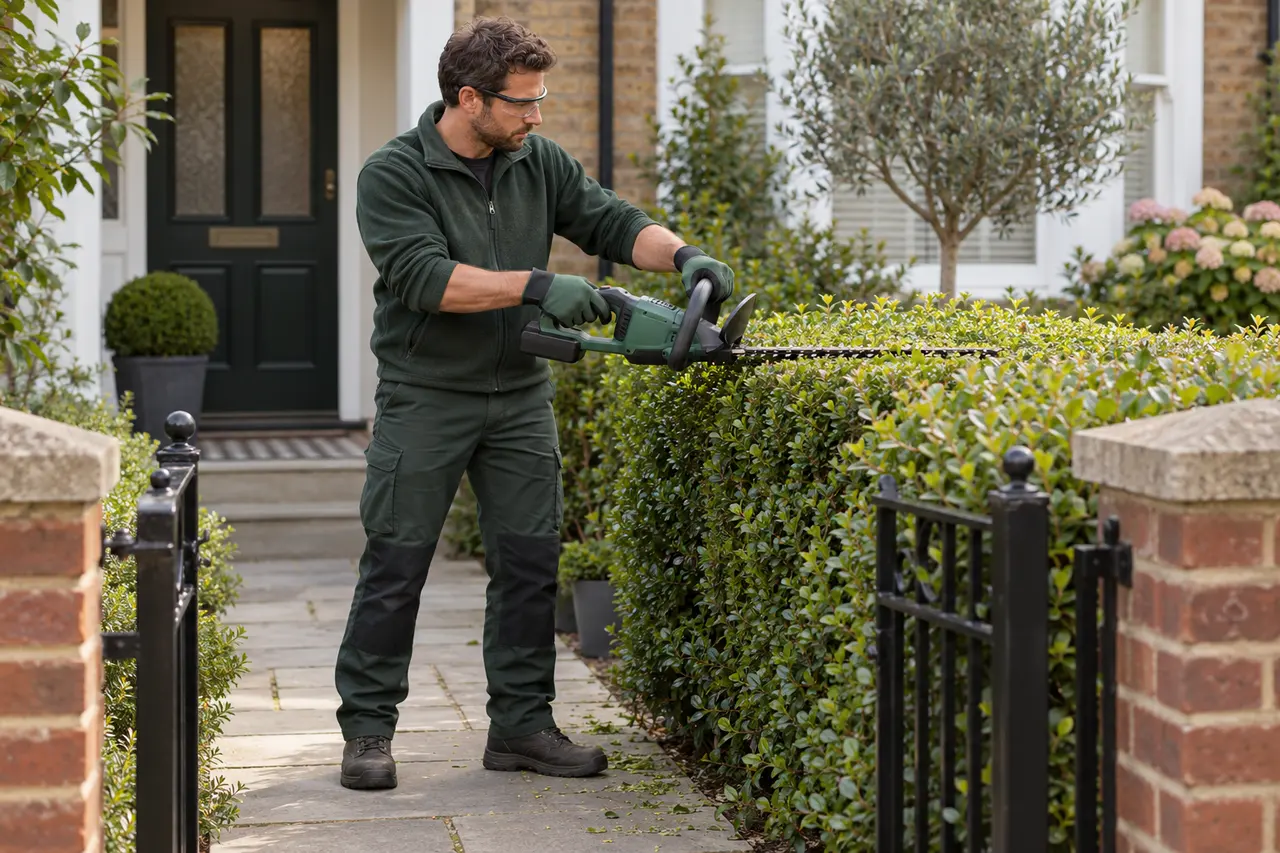
An entrance hedge can require attention to leading growth at its opening while a rear boundary provides screening. We consider those functions separately before selecting the trim. The same amount removed from both could leave one bulky and the other unnecessarily sparse. Plant identity, current growth and the available working position guide each cut, giving the two hedges their own maintained finish within the visit.
At the entrance, we check gate movement and the passage beside it, including latch growth and thorny stems. Rear hedge faces are considered for access available from the property. Any neighbouring access needs its own arrangement before work. This gives each boundary an actual working position, cutting extent and collection route within the task being proposed.
Clippings are gathered beneath the worked ends so a neat face is not left over an untidy base. Nest checks precede cutting and affected work is postponed. Major height changes, substantial branches or a hedge leaning over a structure are considered separately from routine trimming. Different-looking hedges can therefore both receive proper attention without being reduced to the same outline or workload.
Collection across more than one area
Material moved without scattering through finished spaces
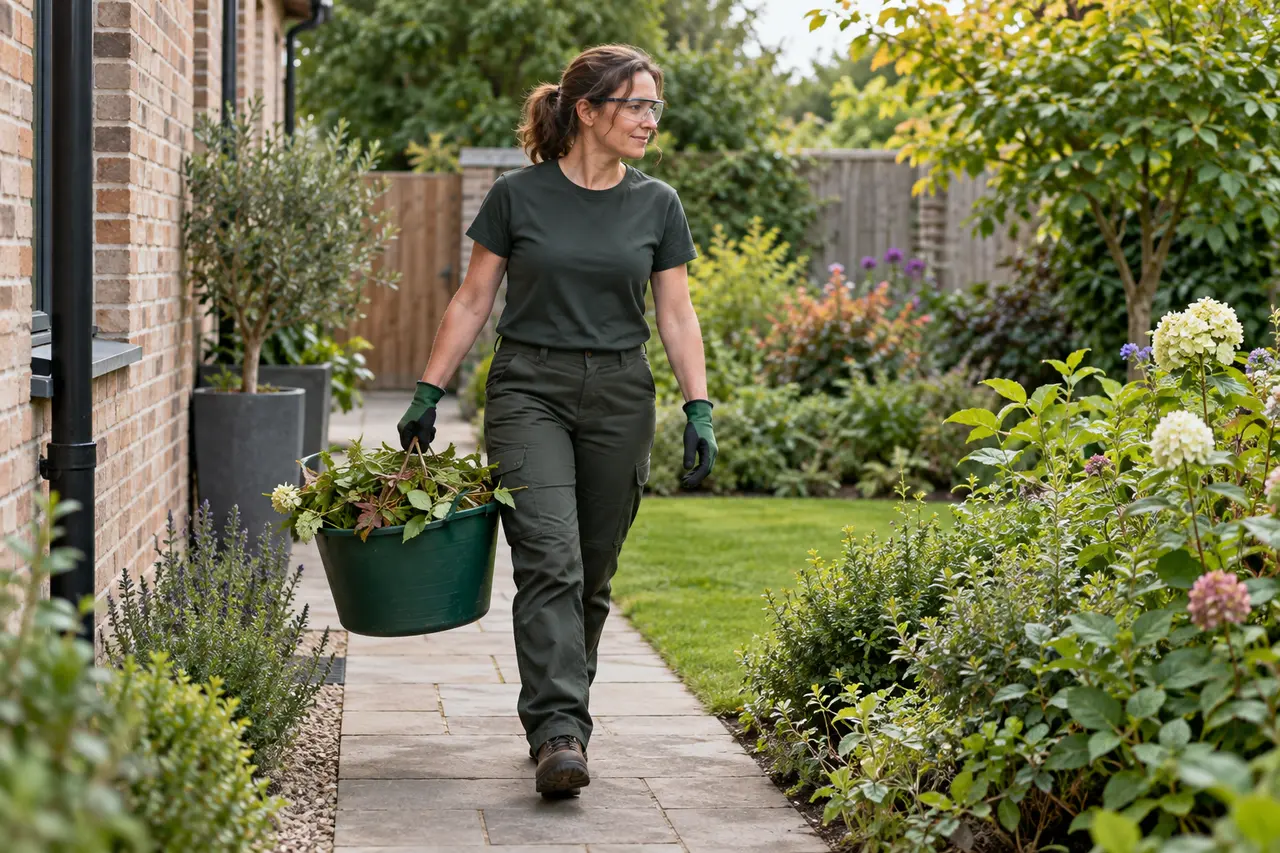
We use manageable loads and an identified collection position when cuttings must cross an area already finished. Thorny stems, wet grass and loose soil are gathered and carried with their actual materials in mind. The route is kept clear as work moves between spaces. This completes the first area without laying another trail of collection tasks through the next, particularly where the property’s access connects several different surfaces.
Green cuttings remain separate from furniture and other non-plant objects discovered beside the beds. Sharp pieces are identified during handling, while suspect material leaves the affected section awaiting an appropriate arrangement. The collection therefore stays understandable as the load grows. Each batch can follow its actual material route without concealing a different disposal requirement inside the vegetation.
Our garden clean-up can cover one area or several identified spaces. The quotation reflects the growth, carrying and collection involved. The waste-disposal guide distinguishes material arrangements, while the items actually exposed determine their handling. This gives a multi-area clearance a defined route through the property and a clear account of the materials leaving each section as the work proceeds.
Beds in different growing positions
Small planting areas receive their own plant care
We consider the actual entrance bed before selecting a plant also growing well at the rear. Light, rooting space and watering access can change across the property. The receiving arrangement follows those conditions and existing occupants, including mature spread and continuing care. The new plant then has a workable position within its own bed beyond its supplied size and first display.
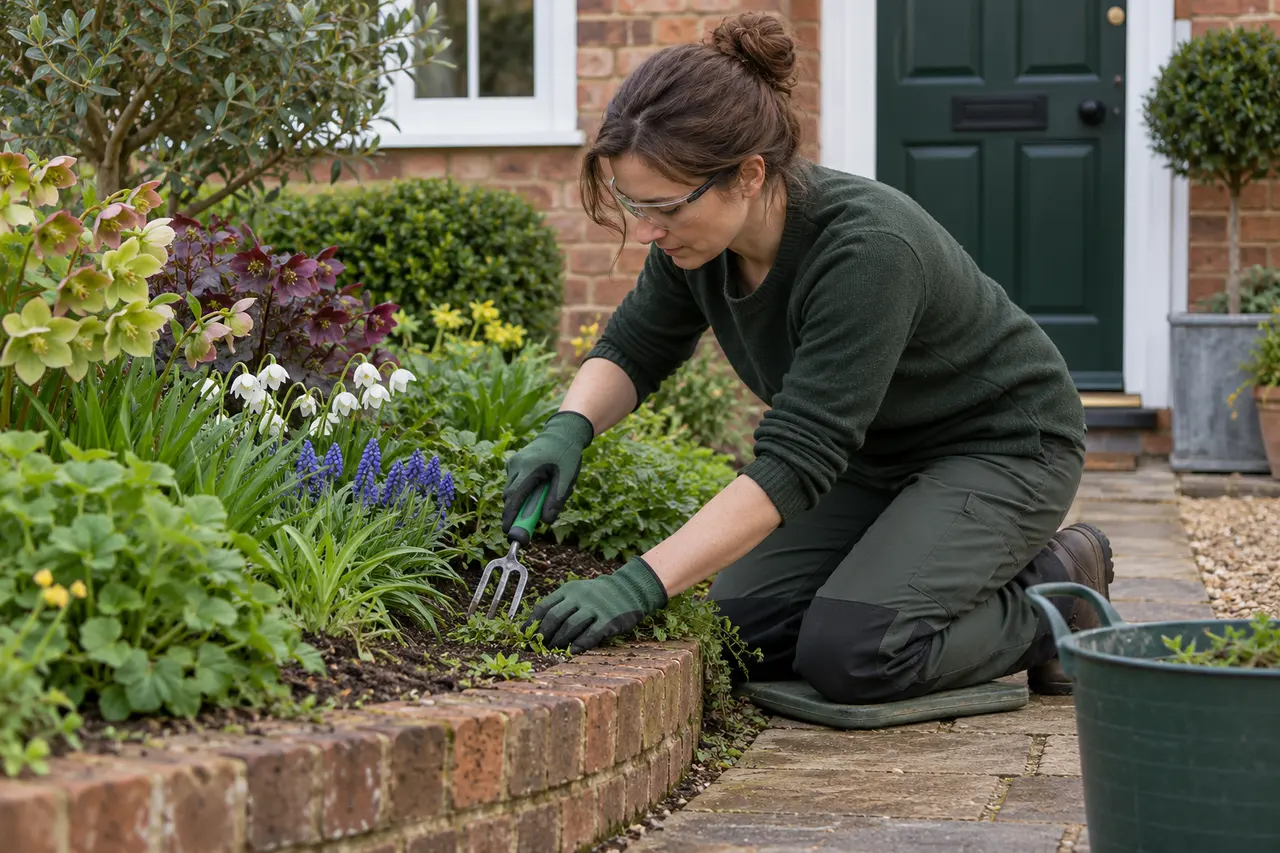
Our gardeners may remove seedlings by hand in one bed and collect spent flowering stems around established clumps in another. We work from available firm ground, keeping narrow planting out of the standing position for a hedge above it. Loose soil remains within the bed and crowns at appropriate levels. Different methods can therefore be used without forcing all the planted areas to display the same exposed-soil finish.
Dormant and new plants stay identifiable during weeding, with labels visible and space left for watering. The gardener works to the actual occupants of each bed. Selective removal and attention can therefore differ between areas while preserving the agreed layout. This gives each planted position appropriate care within the same programme, keeping useful growth recognisable as the garden develops.
A recurring maintenance sequence
Attention moves between areas as their needs change
Our programme follows changing growth between areas. A recently weeded bed can receive a review while the lawn needs more cutting time; later leaves or spent stems bring that bed back into focus. The whole commissioned property remains in view. This gives alternating work an identified reason and keeps the next visit connected to the care actually required across its spaces.
Deferred work is recorded by plant and reason. A shrub left until its appropriate pruning stage gives the next visit a specific task to reconsider, unlike a vague note to return to the front. This distinguishes an intentional pause from an omission. The record remains useful where the person arranging maintenance is not present throughout each visit, carrying the actual decisions between separate working days.
Weather and ground can change the working sequence. A soft rear lawn can wait while front-bed hand work proceeds from a firm path. The seasonal care guide covers those stages of attention, with the programme selecting tasks for their actual readiness. This gives the visit a useful order while preserving areas unsuitable for equipment or another operation on that occasion.
Related services with separately identified operations
Design gives different spaces different purposes
Our Garden design considers separate purposes for the front and rear. An entrance may use simpler planting while the back provides more space for sitting or gardening. Intended connections are identified alongside their different layouts. The proposal follows those functions and future care, giving the property a coherent arrangement without requiring one scheme to be reproduced at a different scale.
Individual trees identified within a multi-area proposal
For tree surgery, the subjects of the proposed work are identified individually where several trees need attention. An overview can distinguish a front specimen from another behind the house, with each operation and access considered for that tree. This keeps the assessment attached to the right subject. The trees are not treated as one interchangeable item simply because they occupy the same property or appear in the same request.
Step cleaning distinguishes treads, risers and landings
Our jet washing of a paved staircase identifies the surfaces to be cleaned and the positions from which they can be reached. Vertical risers differ from treads and landings viewed from above. A working sequence accounts for those level changes, with the quotation stating the actual parts included. A clean landing is therefore not presented as proof that every vertical face has also formed part of the operation.
Gutter cleaning identifies a separate outbuilding run
Where a detached garage or garden building is included in gutter cleaning, that structure is identified separately from the house. Its height, surrounding space and channel condition inform the operation in their own right. The house quotation is not assumed to extend automatically to every other rainwater run at the property. This keeps the request for the outbuilding’s gutter distinct from other roof-surface cleaning that may be considered there.
Cut-tree arrangements consider trunk and support compatibility
For a cut Christmas tree, the chosen stand and tree format are considered together. Height alone does not establish compatibility at the trunk. The support must hold it in its specified way, with fitting requirements resolved in the selected arrangement. This gives installation an appropriate base and avoids forcing the tree into equipment unsuited to that actual trunk.
Gardening time across the areas being maintained
Our quotation describes the work in each area alongside equipment and cut-material movement. The general rates below guide gardening time. Entrance hand work, separate lawn preparation and boundary collection all retain their place within the task description, giving the household an account of the visit across the property beyond its largest open grass area.
| Gardening time | Guide price |
|---|---|
| First hour | £83 |
| Each subsequent hour | £65 |
GBP guide prices. The final quotation sets out the commissioned work, waste handling, VAT treatment and applicable parking or access charges. Separate plant and exterior operations remain identified within the complete arrangement for the visit.
An ongoing visit across different garden areas
Can the front bed be hand-weeded while the back lawn is left?
Bed care can be selected while a lawn is left outside that visit. The working arrangement identifies included planting and excluded areas, directing the time towards the commissioned hand tasks. Equipment routes remain clear through that choice. This gives a selective appointment a defined purpose and leaves the other garden positions identifiable for their own later maintenance.
What if a gate between the work areas must stay shut?
Where a connecting gate must stay shut, that requirement is built into the carrying sequence. The team maintains the agreed security between trips and keeps people and animals outside equipment movement. Access then has a clear operational arrangement throughout the visit, giving material and machinery a practical route without assuming the gate can remain open merely for convenience.
Must a shaded lawn match a sunnier one in height?
Each lawn’s cut follows its condition, including shaded, stressed or weaker areas. The team can select a more cautious approach and identify another requirement where needed. This preserves appropriate differences within a coordinated visit. The finished areas remain related through the programme while their next operations follow the growth and surface actually present.
How can a delayed pruning task stay on the programme?
The plant and reason for delayed pruning remain in our work record. A later visit can then reconsider that specific task when its appropriate stage arrives. The account distinguishes intentional timing from work accidentally missed, instead of returning with one instruction to tidy every shrub. This carries the actual care decision between visits while keeping the deferred plant within the wider programme.
Can one visit cover only the areas visible from the house?
A visit can be limited to selected visible areas where that is the commissioned scope. Our arrangement also identifies what remains outside it, since a view from the house does not describe every part of the property. Access routes are kept available for carrying and equipment movement even where their adjoining beds are excluded. This gives a prioritised visit a defined limit without losing its practical route through the garden.
A maintained property with each area accounted for
Our gardening services keep completed, continuing and deliberately deferred tasks recognisable by area. Entrance hand work receives attention alongside the larger lawn, while separate beds and boundaries follow their own growth. The finished visit has a clear account of what was done and what remains, supporting the next appropriate operation instead of letting one large task obscure the care elsewhere.