

Hanwell · Seasonal planting within a retained garden framework
Gardeners Hanwell
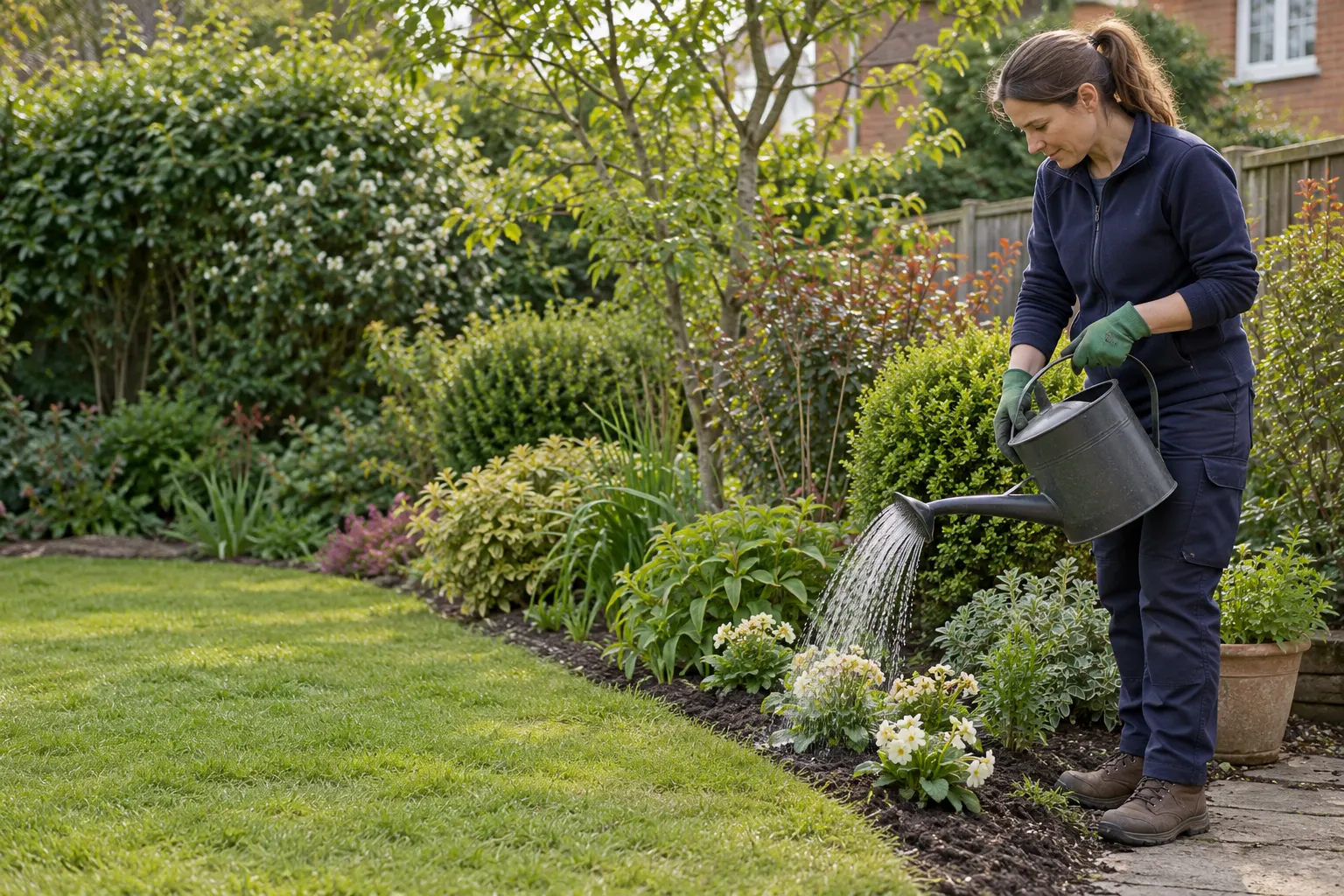
We refresh selected seasonal planting without treating the whole border as empty ground. Spent bedding is lifted, accessible weeds collected and suitable positions prepared for the agreed replacements, while permanent shrubs, perennials and the surrounding lawn and hedge remain part of the garden’s continuing maintenance.
- How do you preserve permanent plants during a bedding change? Our gardeners identify retained shrubs, perennials and bulbs before lifting selected spent plants and preparing the replacement positions around them.
- How are planting containers handled during the change? Empty nursery pots are gathered separately from roots and soil, with reusable and damaged items directed to their appropriate agreed destinations.
Seasonal replacements selected around continuing plants
Can your gardeners refresh only part of an established bed?
We refresh a defined area while permanent shrubs and perennials remain. The gardener identifies the bedding selected for lifting, gathers accessible weeds and prepares receiving positions for the agreed replacements. Useful continuing plants stay identifiable through that work. This gives the seasonal change a clear footprint within the existing border, with its retained structure and new display considered together.
How are plants and materials included in the quotation?
Our proposal identifies the planting task, quantities, appropriate soil preparation and any additional materials being provided. The general gardening rate does not itself specify a plant-supply package. The chosen replacements remain linked to their growing requirements and aftercare, so the quotation distinguishes the physical work from the supplies needed to carry it out. That separation keeps the agreed seasonal change clear alongside other garden maintenance.
Retained planting within the seasonal bed
The continuing framework identified before removal
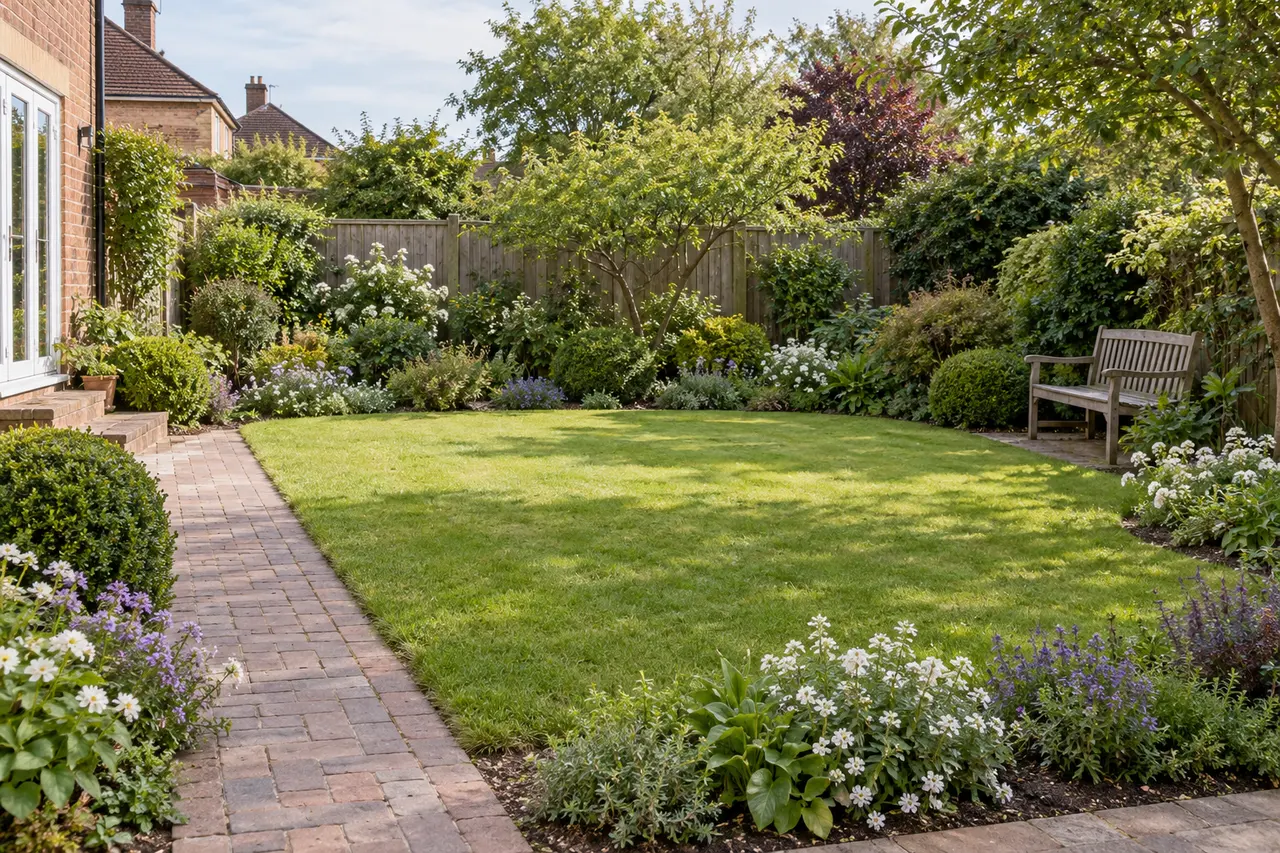
The gardener distinguishes seasonal bedding from shrubs, perennial clumps and bulb groups continuing in the bed. Position and reliable identification inform the removal choice where flowering has faded. Selected plants are then lifted with those occupants visible. The refresh preserves the existing structure and gives the new display a defined place within it, while useful plants remain available for their own later care.
Preparation works around established roots, using labels, visible foliage and a useful planting record to identify occupied soil. Where a permanent plant has extended into the seasonal position, a selective tidy can be considered. Removal or substantial reduction remains separately identified. The receiving space is then prepared for the replacements while the framework continuing in the bed stays clear.
Our Garden maintenance attends to continuing plants as the seasonal portion changes. Loose fragments are gathered from their foliage and their bases kept accessible for watering. This leaves the retained structure apparent alongside the new display. A small defined replacement area can provide a useful refresh while the rest of the bed still contributes, without making a row of newly supplied plants the visible finish over an accidental wider clearance.
- We identify the selected bedding before lifting it.
- Preparation is worked around permanent roots that remain.
- Replacement pots are positioned before planting holes are made.
- Watering reaches the planted root balls and receiving soil.
- Empty pots and labels are gathered separately from green material.
Removal ahead of the replacement planting
Spent plants lifted in controlled manageable portions
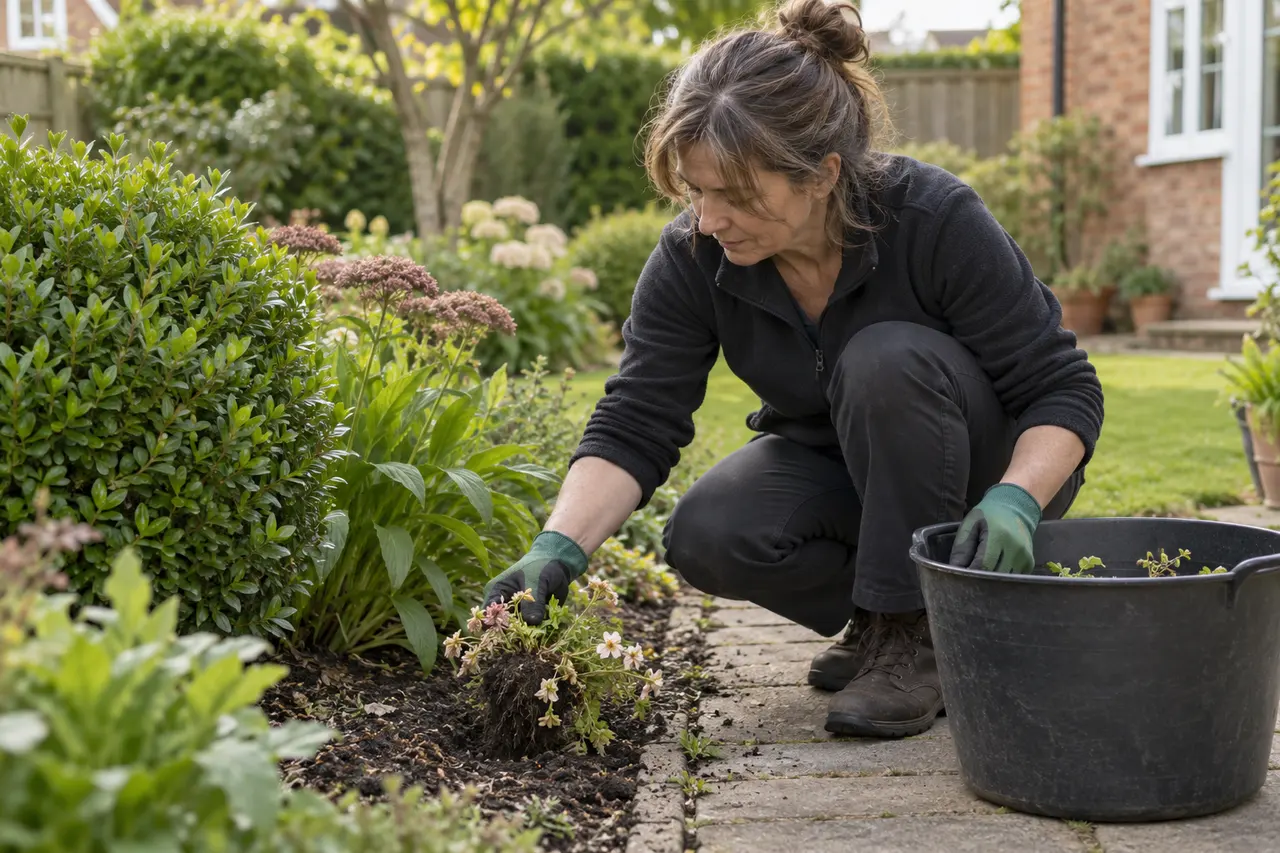
Selected plants are loosened with their root connections to surrounding soil visible. Long stems can be shortened appropriately for handling before lifting. The plant and attached roots are gathered together, with neighbouring crowns kept clear. This controls the outgoing batch and leaves the remaining display accessible as the gardener moves through the defined replacement area.
Opened soil reveals smaller weeds for collection before replacement pots are set out. We identify persistent roots that may need follow-up and keep unrelated containers, ties and broken supports out of the planting ground. The resulting surface is prepared for the next operation, with materials separated and useful plants visible. This gives installation a clear receiving area within the existing border.
A larger accumulated layer can be included in a defined garden clean-up. The lifted material is sorted as the work proceeds, separating plants, empty nursery containers and damaged non-plant objects. The garden-waste guide distinguishes material joining the agreed green load from items retained or requiring another arrangement. This collection stage leaves the planting area available for preparation instead of merely transferring an unidentified mixed heap to its edge.

The replacement arrangement on prepared ground
Plants positioned before the receiving holes are opened
We set selected plants in their pots across the receiving space before holes are made. Positions can be adjusted while crowded corners and awkward gaps are easy to see. Expected spread and nearby existing roots inform the spacing, including access for later weeding and watering. The layout then supports the display as foliage fills out beyond its planting-day size.
The actual soil and each root ball are checked before planting. Preparation, receiving hole and level follow the chosen plant, with suitable soil returned around its roots. A root ball is not left unsupported in a hollow, nor its crown buried to disguise a difference in levels. Suitable watering settles the planted area without washing loose soil onto the path, linking the finish to the growing space beneath the new display.
Planting time follows the selected material and conditions. Tender bedding is not installed outdoors solely because the previous display has been removed; frost risk and appropriate preparation still inform the work. A prepared weeded area can remain clearly defined during a suitable interval. The team does not fill it immediately with an unsuitable substitute simply to create an appearance of completion before the intended plants can reasonably be installed.
Grass beside the refreshed bed
Preparation materials collected before lawn cutting
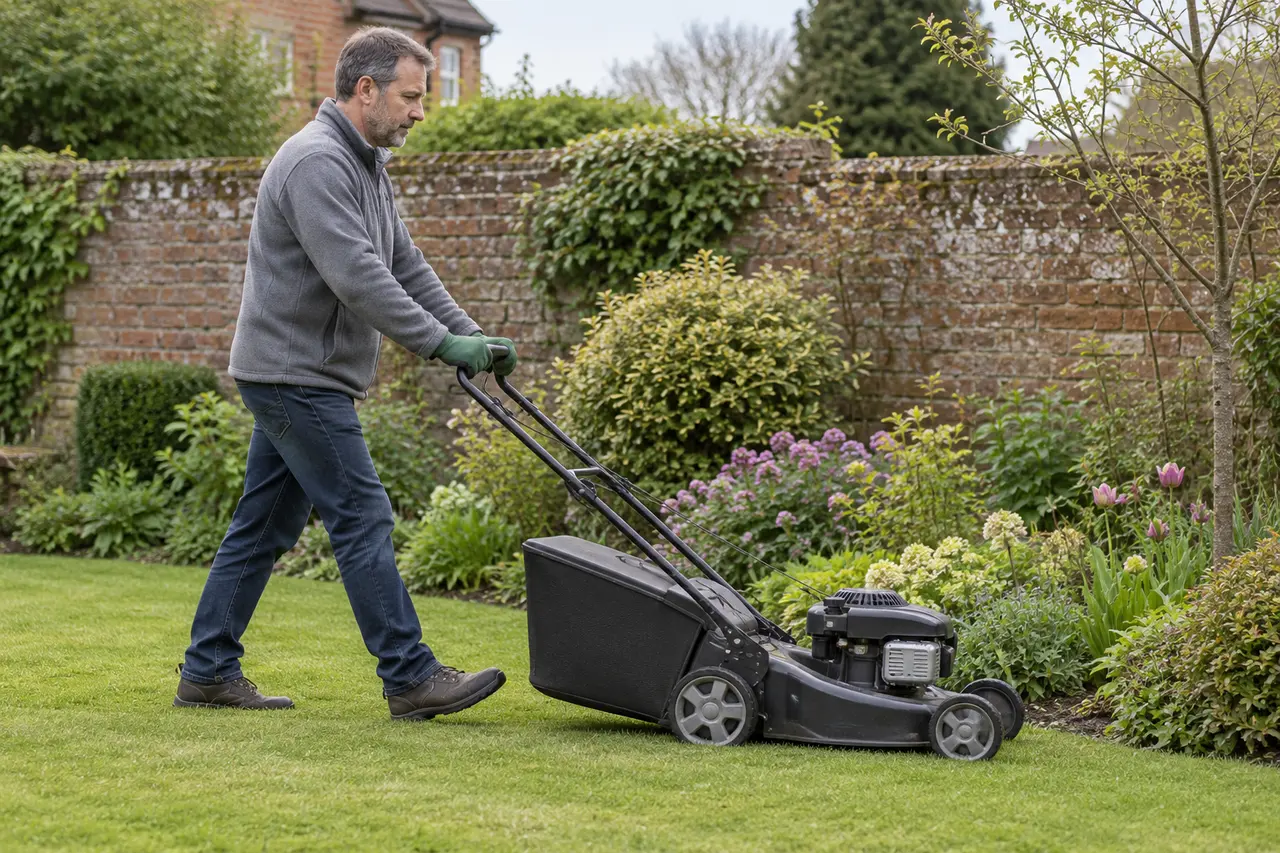
Materials used during the change have appropriate working positions outside the main grass route. Pots, stones, soil and cut stems are gathered once planting is complete. The adjoining lawn is checked before mowing, leaving the machine a clear surface. This completes the preparation and collection around the bed while the new plants stay outside the grass operation.
The lawn cut follows the accessible outline with fresh plants outside the mower deck and turning space. Wheels remain on firm grass while loose soil stays within the bed. Where a closely planted margin needs another approach, suitable separate finishing is selected. This gives the lawn a deliberate edge beside the new work without using the mower’s main pass to decide how much planting space should remain.
Loose grass is gathered from worked paving and the planted edge as appropriate to the visit. Where preparation has left soil beside the lawn soft, repeated turning is kept away from that position. Mowing does not replace the planting’s watering or subsequent care. The finish therefore recognises that bed and lawn may have different immediate requirements while still leaving a coherent maintained area between them.
Hedge work behind the seasonal display
Clipping collection coordinated with new planting
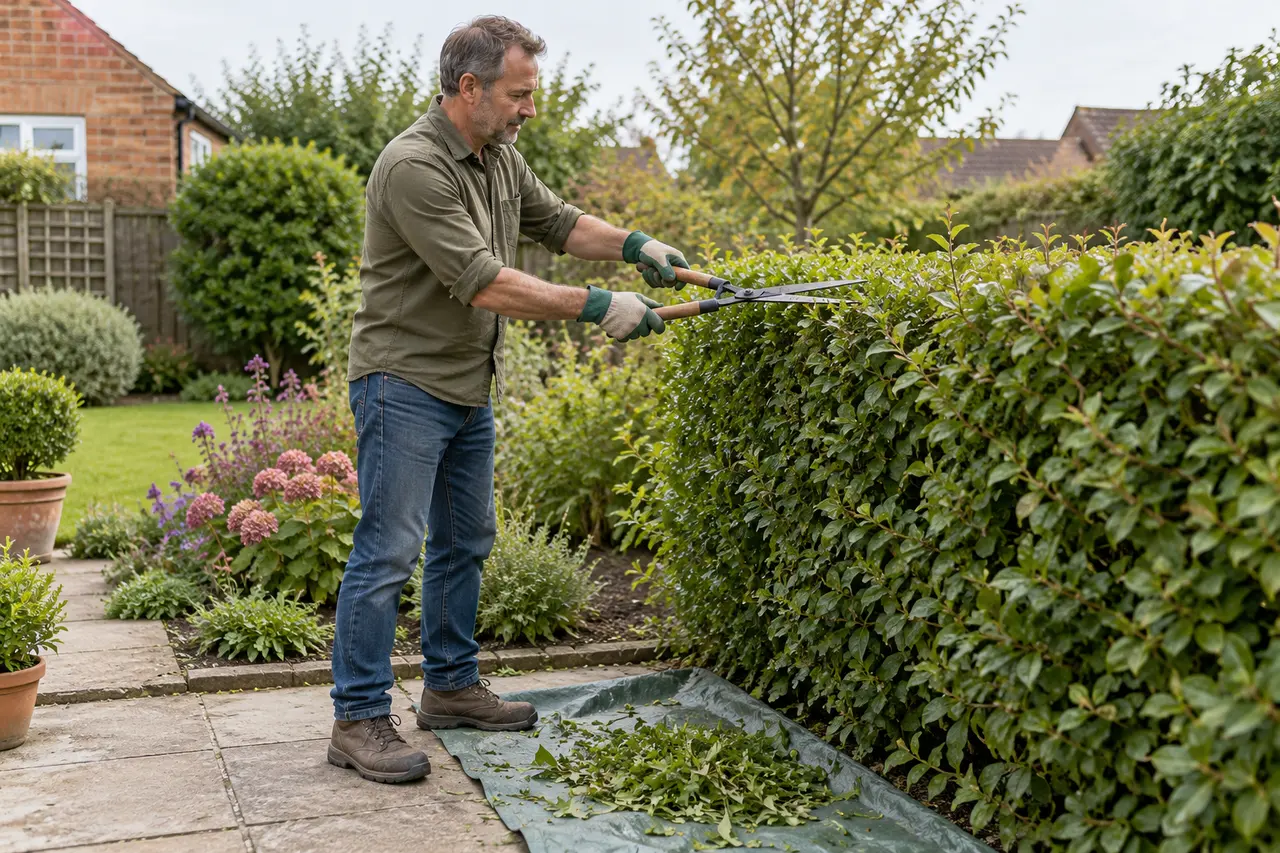
Where the hedge is ready for work and appropriately accessible, trimming can precede installation beneath it. That order provides room to gather clippings before delicate bedding occupies the area. Our sequence follows the hedge and planting requirements together, with affected work left for its proper stage. This gives the combined visit a practical receiving and collection arrangement for both tasks.
Checks for nests being built or in use precede the hedge operation, with affected work left undisturbed. Suitable growth is trimmed to an outline appropriate to its plant and condition, not automatically subjected to deep reduction. The gardener works from a controlled position outside young bedding. A collection sheet is laid only where retained plants can remain uncrushed, keeping the receiving surface part of planning the cutting task.
Caught hedge pieces are gathered around individual plants before the next operation. Where boundary work must wait, the accessible bed is maintained within that limit and any later trim includes a collection stage. The new planting stays distinct from the outgoing load. This leaves the bed usable for continuing care, even where the upper boundary and lower display receive attention on different visits.
Maintenance following installation
The new planting kept accessible as it develops
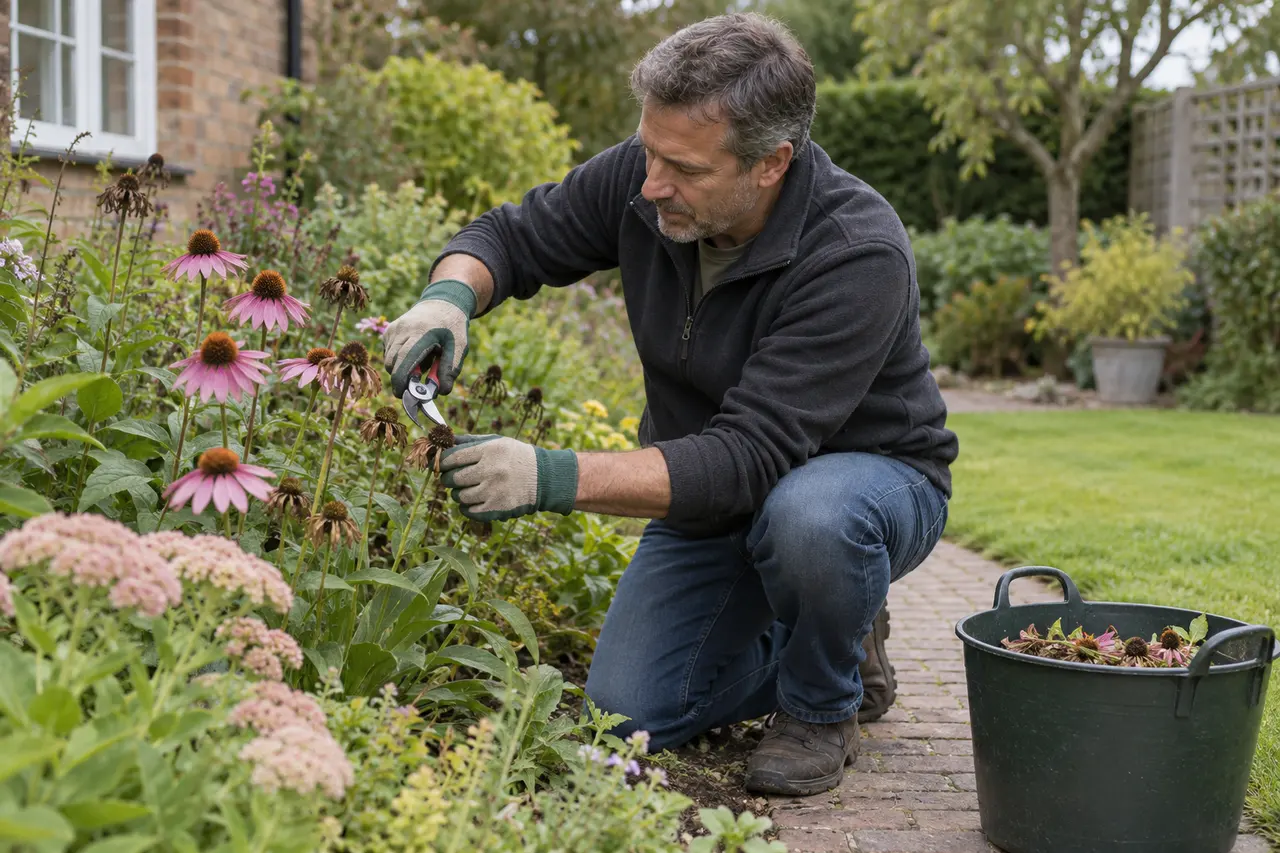
Early attention follows the planted root areas as well as flowers. Our gardeners check actual moisture and water appropriately, gather accessible weeds while positions remain clear and keep loose soil from building over low bases. These close tasks accompany larger cutting work, giving the developing planting the individual attention it needs after installation.
Appropriate deadheading removes finished flowers while useful buds and foliage remain. The method follows each plant and its response. We coordinate those checks with seasonal care tasks such as leaf collection, path clearance and grass maintenance. Any replacement is selected for an identified gap or failed specimen, with the continuing display and its growth stage considered before another plant is introduced.
Additional services within a garden refresh
A design commission with an identified output
Our garden-design commission states the agreed output, including any planting proposal or layout recommendations commissioned. Purchase, installation, technical details and revisions have their own defined place in the work. This gives the replacement bed a developed basis before installation and lets the household identify the components being provided within the project, alongside the maintenance of existing planting.
Tree proposals informed by previous pruning
For a tree-surgery proposal, earlier cuts and the resulting growth are considered alongside the tree’s present condition. Repeating a former severe cut is not assumed suitable simply because the household remembers its previous height. The new operation responds to the tree now, distinguishing the old outline from the work currently proposed. That history informs the assessment without becoming a standing instruction to reproduce every earlier cut.
A limited cleaning test for a specific surface question
Where appropriate, our jet-washing assessment uses a limited test to establish the response of the actual finish. Its position and method are selected for the surface question being considered. The findings inform the proposed clean, with variation across the area and ingrained marks still accounted for. This gives the operator a practical basis for the method and the household a realistic description of the intended result.
Gutter work quoted for the actual roofline arrangement
The gutter-cleaning guide identifies property type, gutter level and the requested runs. Additional elevations and restricted sections are considered in the quotation, giving each part an actual position and operation. The price follows that roofline arrangement. A starting figure for one accessible setup remains distinct from the total proposed for all the sections included in the request.
Seasonal collection distinguished from a new-tree purchase
Our published £59 Christmas-tree service is collection only, not the purchase of a replacement tree. The listed tree-and-delivery options start at £78 for the small pot-grown format and £99 for the smallest listed cut tree. These remain different products within the seasonal arrangement. The order identifies the current selection and complete service being provided, keeping collection of an existing tree distinguishable from supplying and delivering a new one.
Gardening time across removal, preparation and planting
Our proposal covers the stages of lifting, preparation and planting, with the agreed replacement stock and additional materials identified. The shared general rates below guide gardening time. Supplies retain their own allowance within the complete arrangement, giving the seasonal change a clear relationship between the work performed and the material entering the bed.
| Gardening time | Guide rate |
|---|---|
| First hour | £83 |
| Each subsequent hour | £65 |
GBP guide rates. The quotation identifies the commissioned work, supplies, waste arrangements, VAT treatment and applicable access or parking costs. The selected seasonal area and continuing garden tasks remain clear within that complete arrangement.
Selective bedding changes within an established border
Must every faded bedding plant be lifted at once?
Our gardeners identify plants selected for lifting and those still contributing to the display or continuing beyond the season. Removal can therefore be selective, preserving useful existing planting. The replacement arrangement is set for the actual available space instead of assuming an entirely empty border. This gives the refresh a defined purpose without making the fading appearance of one group a reason to clear every plant beside it.
Can the bed be prepared before replacement plants arrive?
Preparation can precede replacement delivery where the task and conditions allow. We collect selected spent plants and accessible weeds while keeping useful neighbours clear. The prepared area can remain in that state until the intended stock is ready for installation. This keeps the sequence organised and the receiving soil available, with the actual planting opportunity determining its next stage.
What happens to empty nursery pots during the change?
Empty nursery pots are collected separately from roots, stems and soil. Reusable items have an identified retained destination, while damaged containers follow the relevant outgoing arrangement. Gathering them is part of our planting finish, leaving them off the lawn ahead of the next cut. It also keeps useful supplies distinguishable from the green material produced during removal of the previous seasonal display.
Is a larger hole a solution when a new plant will not fit?
Where a proposed hole would cut through existing roots or crowd another plant, we review the position and chosen replacement. The useful space includes present occupants and future growth. That assessment informs preparation before installation, keeping the new display fitted to the living bed. The finished arrangement therefore has an identified planting position with room for continuing care.
Can a replacement display wait while nesting affects the hedge?
Affected hedge cutting is postponed where nesting activity requires it. Suitable bed work may continue elsewhere without disturbing the occupied area, within the actual constraints. Our sequence does not treat the intended planting date as authority to clear that growth or resume cutting beside a nest. A replacement display can wait while the appropriate undisturbed condition is maintained.
A changed display within a continuing maintained garden
The gardening service range leaves a defined refreshed portion within the established bed. New planting positions and continuing shrubs, perennials or bulbs remain recognisable, with loose material collected around them. Later care can follow that actual arrangement, attending to the roots and seasonal growth now present. The result preserves the permanent structure while giving the replaced display an appropriate prepared beginning.