

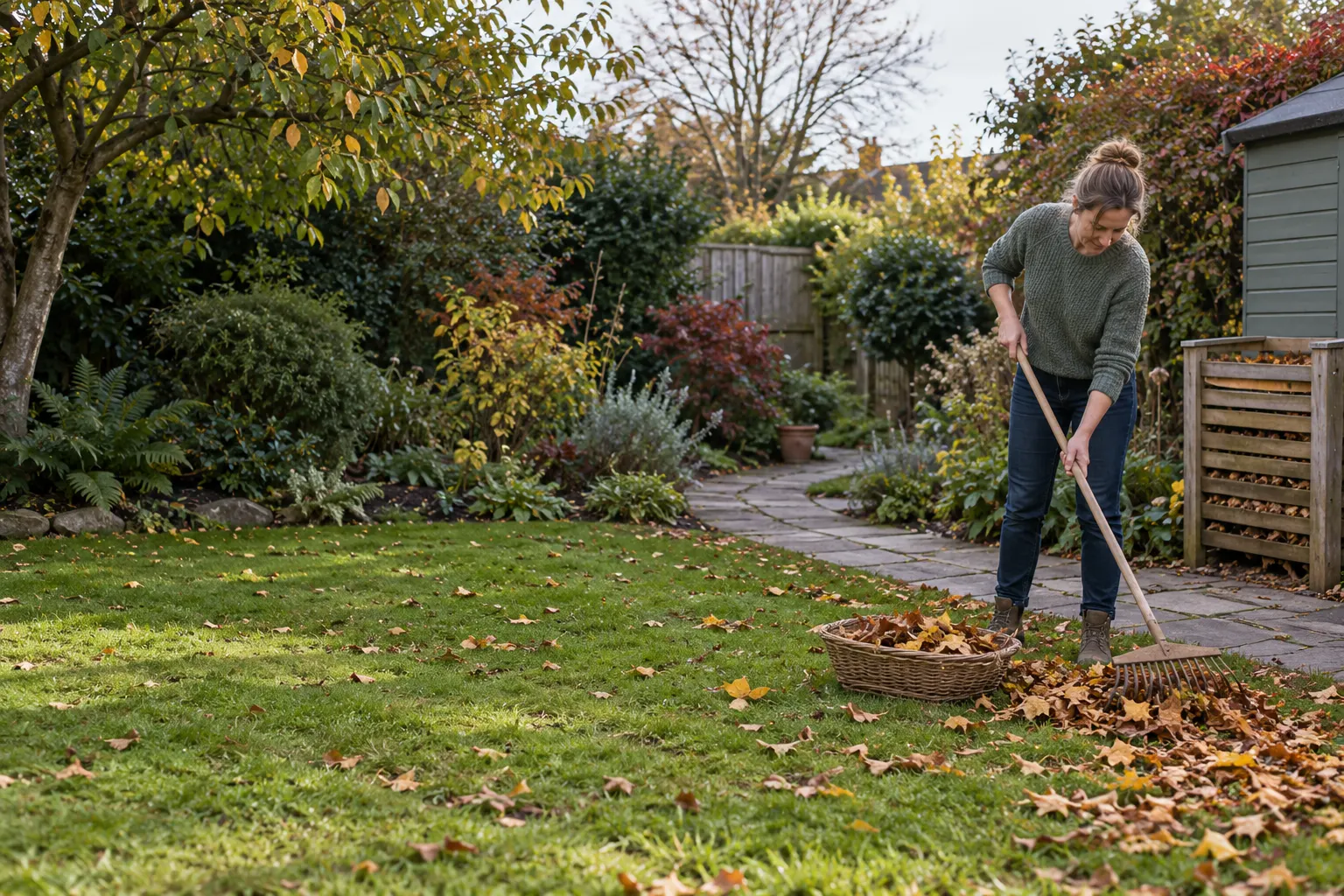
Garden material kept identifiable from collection to its destination
Gardeners East Sheen
Our gardeners can separate a suitable retained leaf batch from the vegetation included for removal, coordinating its quantity with the space available. We gather material by type, keep receiving areas accessible and continue the lawn, bed and hedge work around them. The finish leaves stored and outgoing loads distinguishable within a workable garden arrangement.
- What happens when the leaf bay reaches capacity? We relate the retained quantity to the available space and include the identified surplus within its appropriate removal arrangement.
- How do you handle new and ready-to-use batches? Our collection keeps their stages and retrieval access clear, with suitable separate positions or use of the older material as the arrangement requires.
Retention and removal within the same garden operation
How can your visit separate leaves being kept?
We identify the retained batch and its receiving place alongside the material included to leave. Loose leaves, woody pieces, rooted weeds and unrelated rubbish have their respective handling requirements. Our collection follows those differences from the working patch to the destination, leaving the selected leaves in their defined position and the other loads accessible for their arranged removal.
How is the storage arrangement included in the work?
We relate the actual capacity, future access and intended material use to the collecting sequence. A useful retained batch needs a reachable place while equipment and bed care can continue around it. The contents and condition determine its suitability, giving the chosen quantity and destination a practical role within the garden’s ongoing maintenance.
A destination for each gathered material
Sorting during the clear-up as separate loads develop
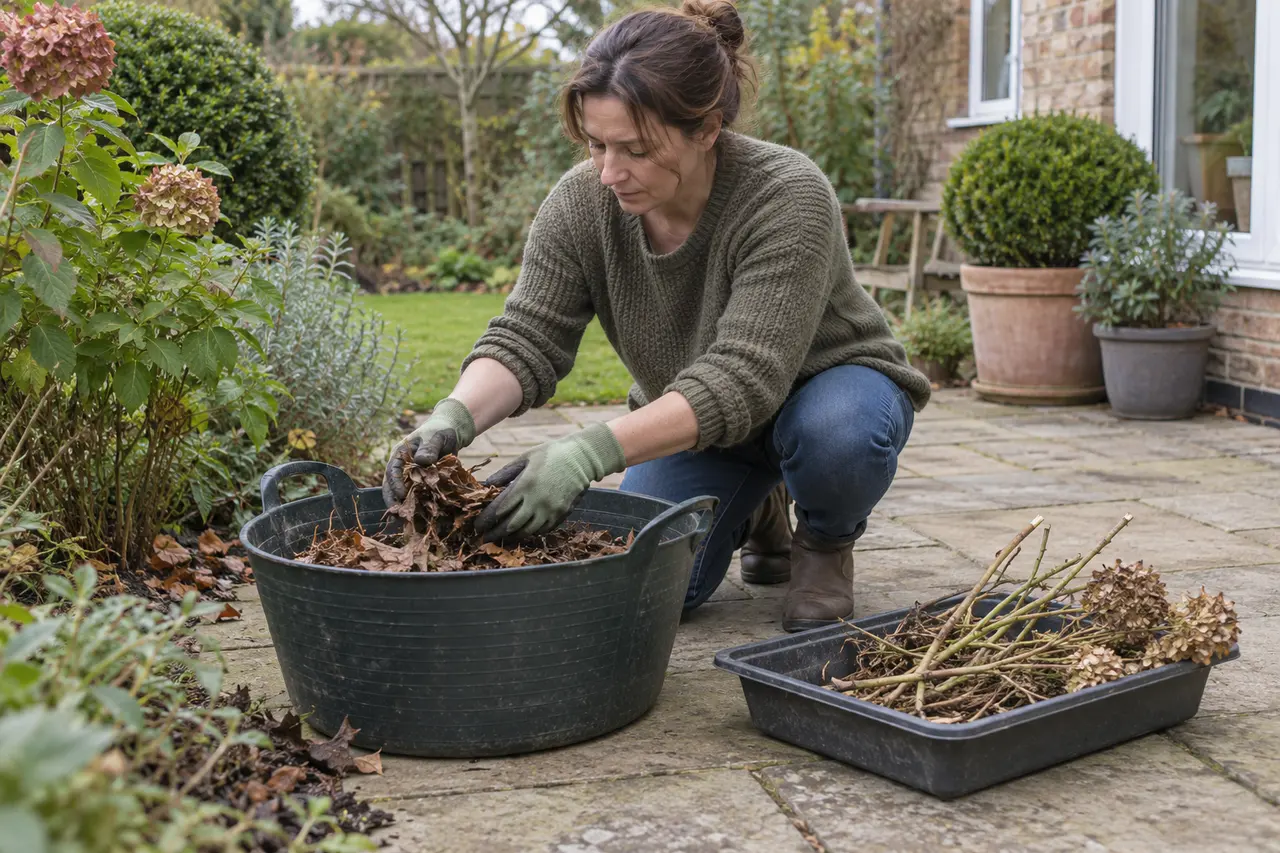
A garden clean-up can produce leaves, soft stems, woody growth and rooted weeds during one visit. Our receiving arrangement keeps those loads distinguishable at collection, with the retained batch identified by its intended use. The material included to leave has its own position for the later carrying, allowing the gardener to progress through the working area while the separate destinations remain clear.
We inspect collected leaves for litter and other contents as the load develops, particularly around an entrance or frequently used passage. Plastic pieces, old ties and broken pots are separated from the plant batch. Any unidentified or unsuitable component stays distinguishable for its appropriate handling decision, preserving the selected retained material while the surrounding unwanted contents receive their own collection route.
Our retained quantity follows the capacity actually available. A small container may receive a useful leaf batch while other hedge or bed material needs separate removal. We keep that allocation clear before the next load is gathered. The guide to disposing of garden waste provides further context for the contents, while the practical result leaves each identified portion in its suitable place within the available garden space.
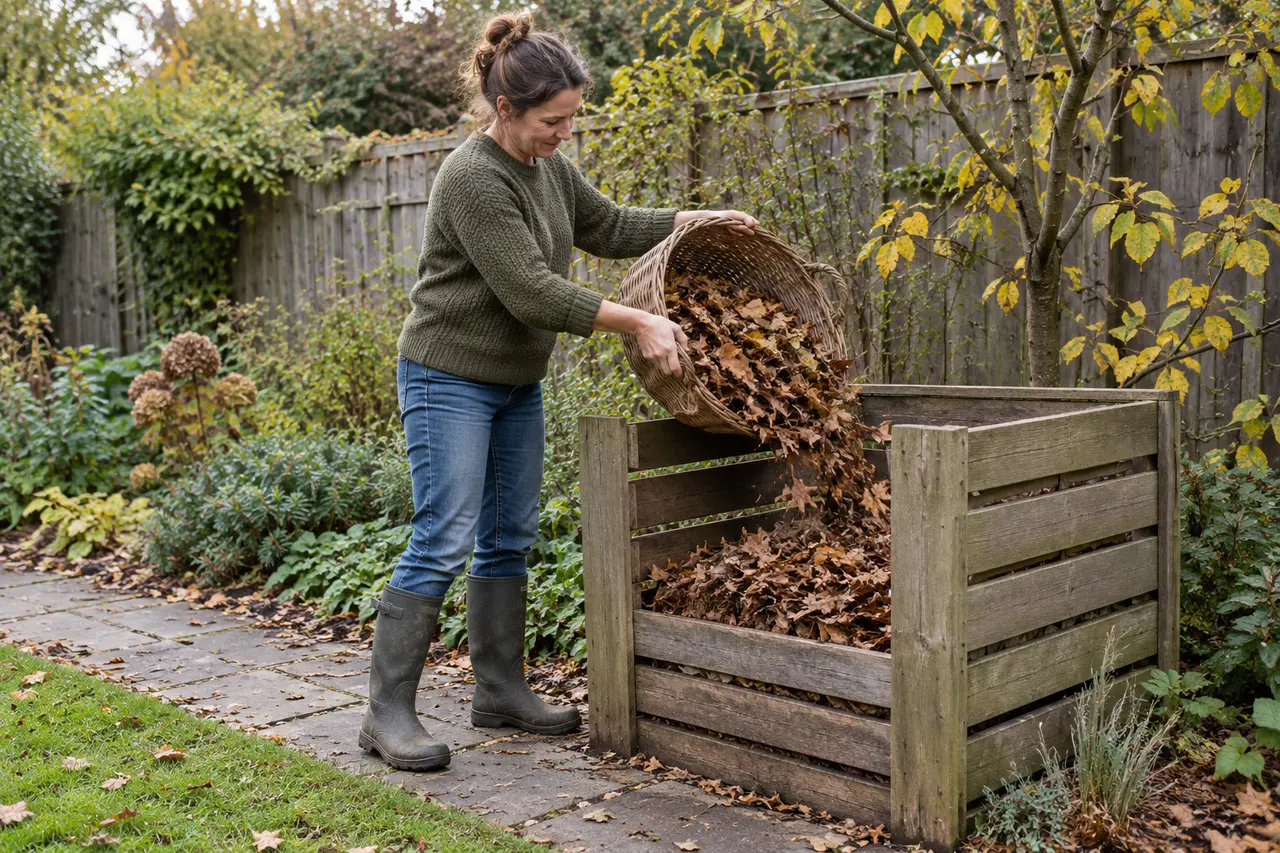
Leaf collection for later use
A receiving place with room for breakdown and retrieval
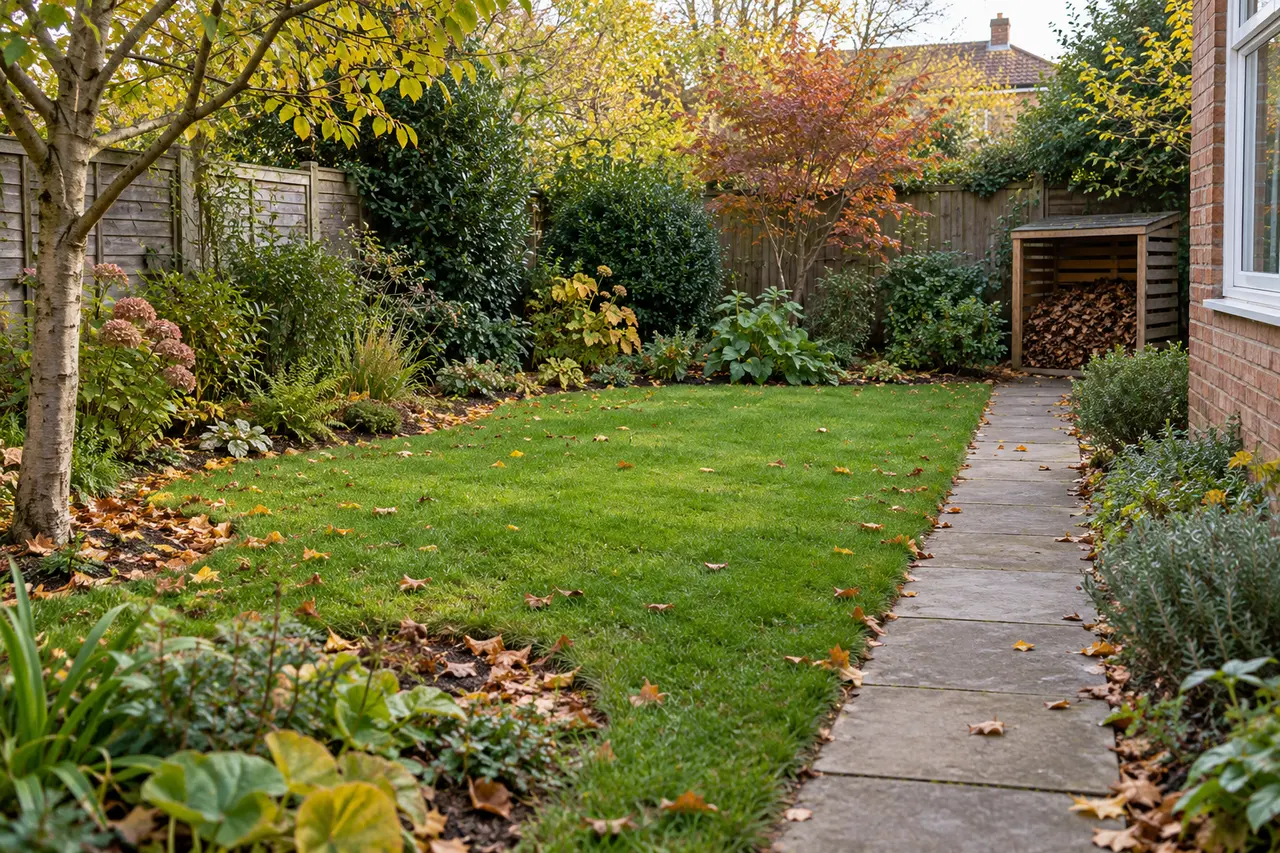
Leaves kept for leafmould have a suitable holding arrangement and time to break down. We identify the available bay or other appropriate position before collection and retain a usable approach for carrying. The batch remains connected to that later purpose as it is placed, with enough practical room for its amount and the surrounding bed maintained clear of repeated traffic from the receiving route.
We keep the selected leaf load distinct from larger branches and other vegetation produced by the clear-up. Different contents behave differently during breakdown, so the receiving space follows its intended material. The RHS leafmould advice describes those uses and distinctions. Our sorting preserves that identifiable batch through the operation, allowing the appropriate material to remain on site while other loads keep their separate arranged handling.
Future retrieval is included in the practical storage layout. We retain a usable approach and identify how an older batch will be reached before a new one occupies the receiving position. This keeps stages distinguishable where the garden has limited spare room, allowing useful material to be accessed while the remaining space continues to support equipment, bed care and ordinary circulation.
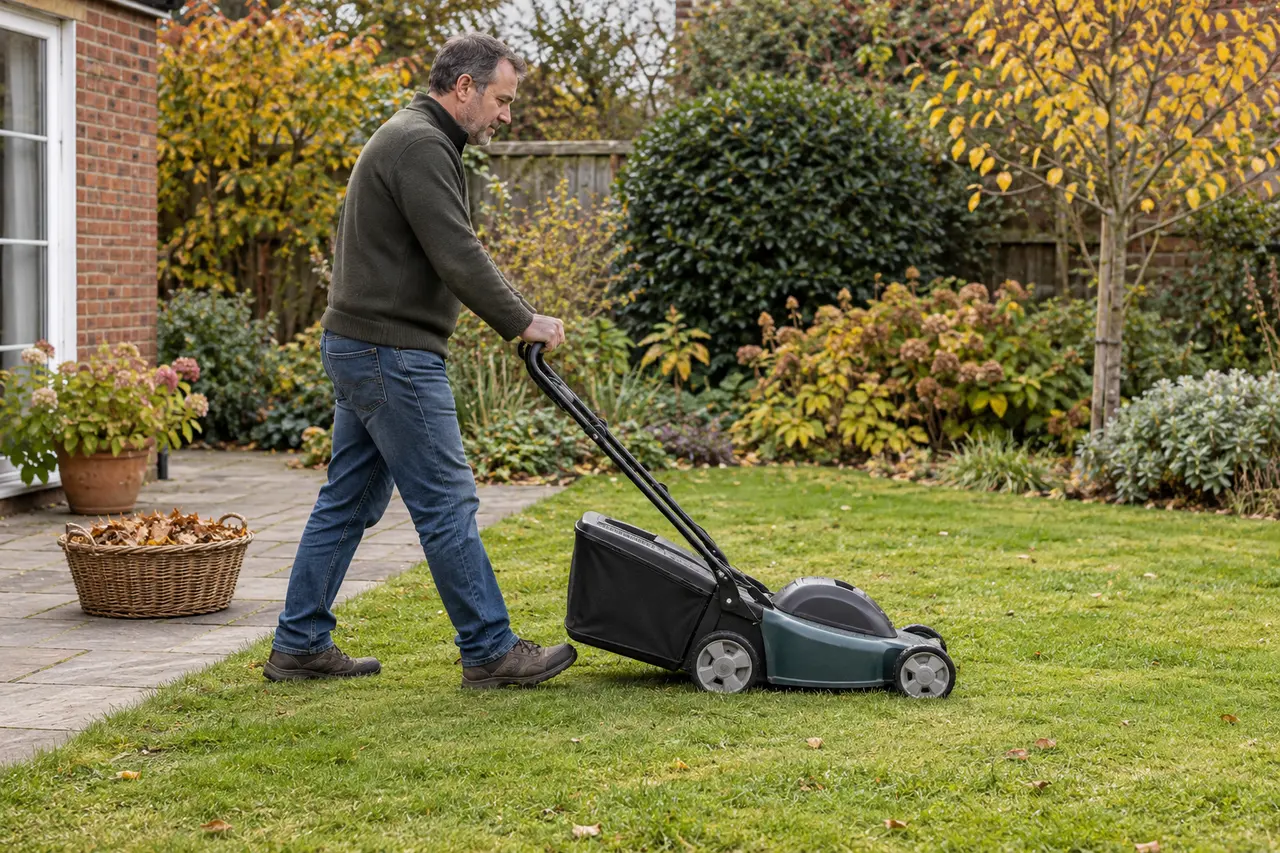
The lawn uncovered by leaf gathering
Grass preparation with its own cutting and collection stages
We gather the leaf accumulation before assessing the receiving turf for lawn mowing. The clearer surface reveals small branches, stones and uneven points affecting the equipment route. Its actual condition then guides the suitable cut and access. This joins the lawn preparation to the leaf collection, with the selected retained batch already in its receiving place before machinery works across the available grass.
Our cutting method follows the turf and the equipment suitable for it. Any requested leaf processing or separate material preparation remains explicitly identified alongside the grass stage. The operation can then provide its appropriate lawn finish while the other batch has a known handling result, keeping preparation, cutting and any additional processing understandable within their respective parts of the work.
The mowing load has a practical destination established before collectors need emptying. We keep the receiving quantity and route suitable for the operation, with full containers clear of the next pass. An appropriate retained facility or arranged removal follows the actual contents, leaving that grass material distinguishable from the leaf batch selected to remain separate for its own later use.
- Our retained leaves have a defined receiving area and suitable available capacity.
- Litter is separated before material enters the selected leaf batch.
- Long woody stems retain their own collection and handling destination.
- The exposed grass is checked for objects before the mowing stage begins.
- Stored material keeps an accessible face for its later retrieval.
The eventual use around retained plants
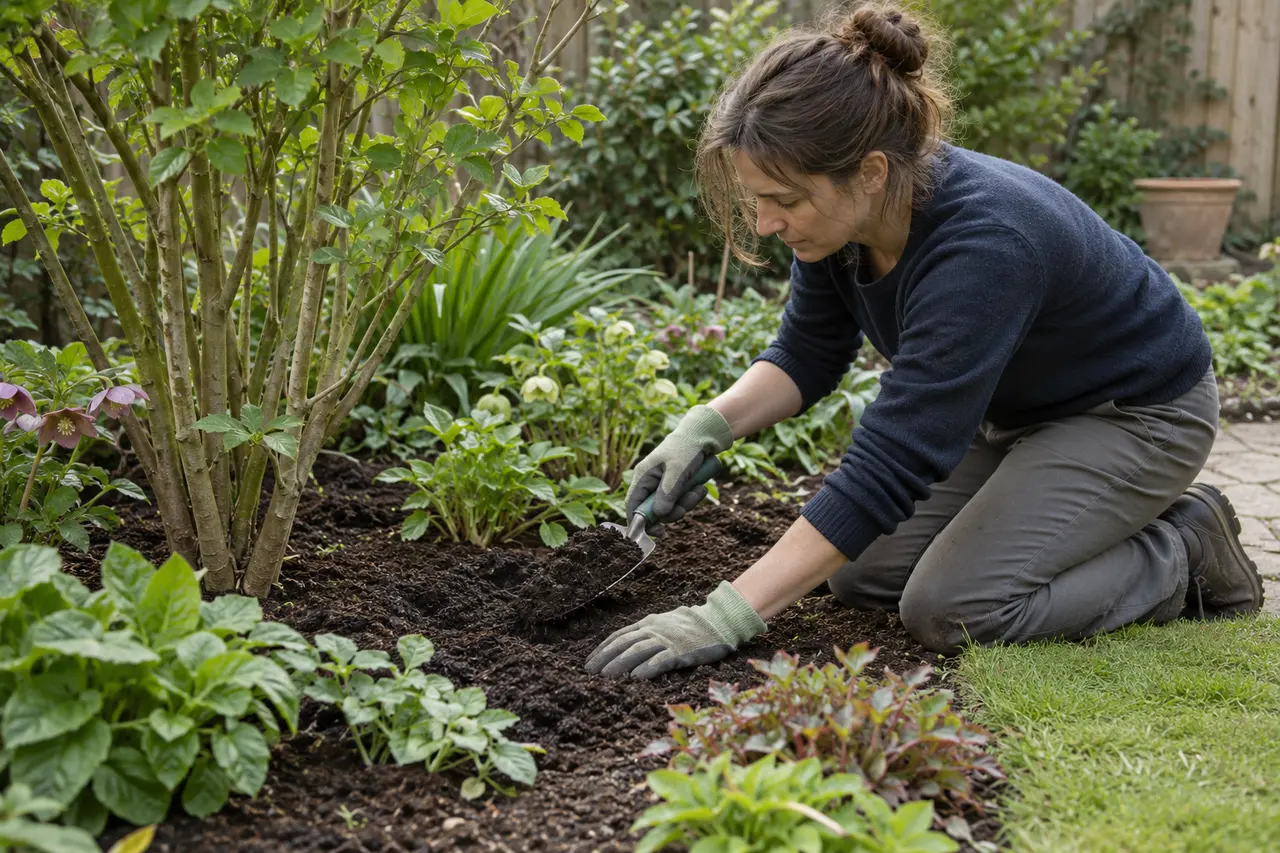
Suitable material assessed before application to a bed
We assess stored material for its actual condition and intended use before it enters the planted area. Suitable leafmould or compost can have a useful role around plants, while fresh mixed weeds and stems remain a different load. The receiving bed and selected product guide the operation, with contents and readiness kept visible as the material is moved from storage to the place where it will be applied.
Our bed preparation includes accessible weed removal and identification of low plants and stems needing appropriate clearance. Suitable material is then spread in controlled portions around those occupants. The RHS mulching guidance gives context for that placement, including care around crowns and woody bases. The actual finished level remains visible during the application so the selected covering retains its suitable role within the living bed.
New planting has its own receiving root space, placement and watering within the sequence. We relate available retained material to those bed requirements, identifying any additional supply needed for the actual area. This keeps the application quantity and condition clear while plants remain accessible for continued attention, connecting the batch used with a practical planting result and suitable care afterwards.
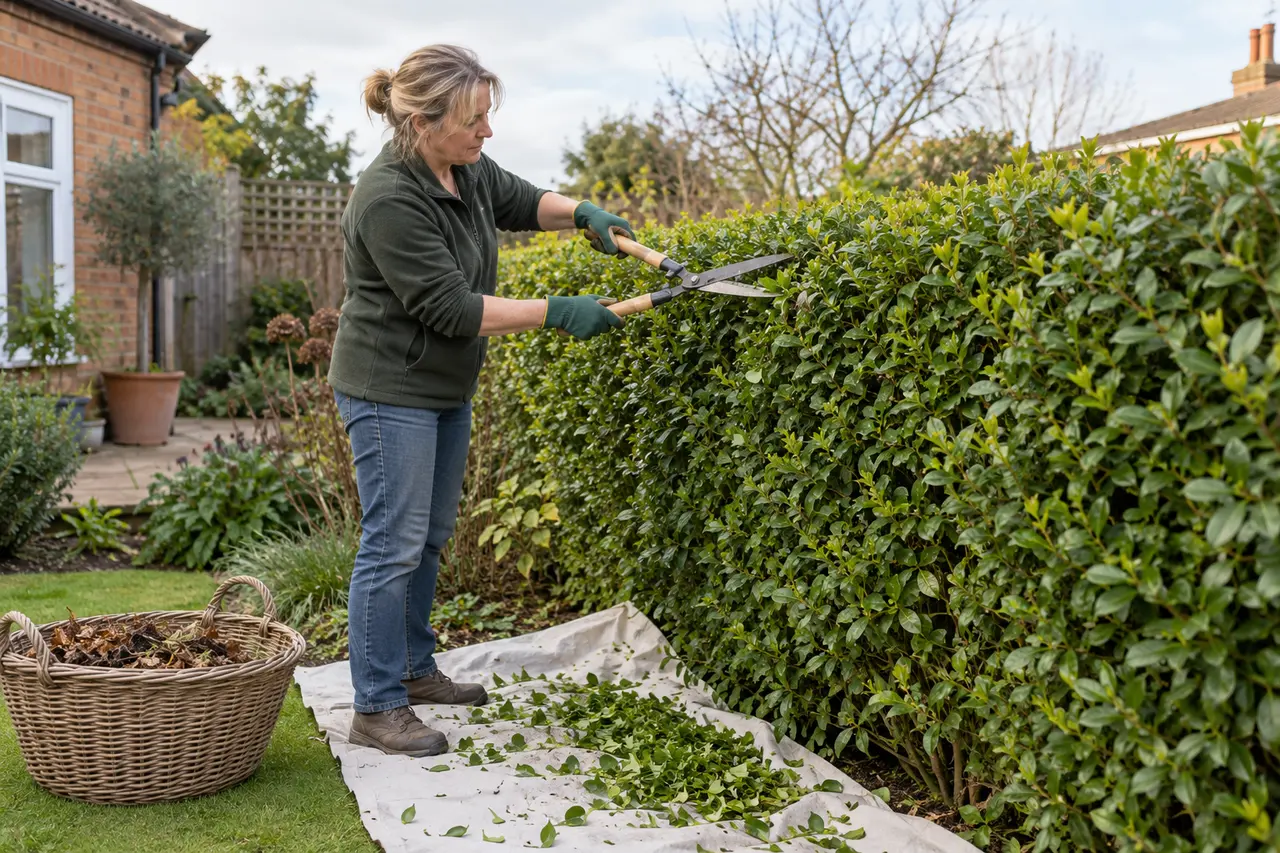
Hedge fragments of different sizes
Cutting and collection related to the actual boundary load
Our hedge receiving arrangement gathers fine pieces and woody lengths using suitable sheeting or containers. This keeps the lawn available below the working face and the resulting material identifiable. Where a leaf batch is stored elsewhere, the hedge load has its own considered destination, with the actual plant and cut determining what is produced and the handling included for that material.
The suitable cut follows the intended outline, species and response of the hedge. Our sequence accounts for the fragments and carrying that operation will create, retaining sufficient receiving space as the work progresses. Collection remains part of the finished task alongside the trimmed surface, with any deliberately retained material and outgoing portion distinguishable through the last gathering movement.
Nesting checks cover the affected vegetation before cutting, with disturbing work postponed where nests are being built or used. Suitable footing and controlled reach also govern the collection below. We gather within that method and identify any section needing another appropriate approach, leaving the receiving area and its limitations clear while the safely reachable boundary work is completed.
Storage within the continuing garden routine
Capacity kept compatible with access and maintenance
Our Garden maintenance retains practical routes for tools, suitable standing positions and access to the beds around the selected storage space. The retained quantity is reviewed if a batch begins to occupy those needed areas. This keeps useful material connected to the garden’s ongoing care, with the receiving position maintaining a defined boundary while ordinary cutting, planting attention and collection continue nearby.
Busy periods can bring new leaf fall, border stems and hedge fragments at the same time. We assess those quantities as separate loads within the actual available capacity. One suitable batch can remain while another follows arranged removal, preserving the intended material use and keeping the different contents identifiable. This makes the collecting sequence practical through the changing volumes produced by the garden.
As material is used or removed, the recovered working area stays visible within its chosen boundary. Paths and inspection access remain usable alongside it. Our year-round garden-care guide provides broader seasonal context, while the actual sequence follows current growth and capacity at the property. The resulting arrangement supports subsequent gardening with the retained batch available and the necessary room for the next suitable operation.
Further services connected to the material arrangement
Design of an accessible long-term storage position
Our garden design can relate a leaf or compost receiving area to planting, circulation and the positions needed for ordinary care. The proposed capacity is considered with access when the space is full as well as empty. We connect that useful material arrangement with the wider layout, leaving suitable room for retrieval and the maintenance tasks that will continue around its defined position.
The specified form of retained tree material
Where material from tree surgery remains on site, our proposal identifies the required handling outcome. Long branches, shorter cut lengths and any processed load present different receiving arrangements. We connect that retention to the authorised work and the actual tree, keeping the included material form and its eventual position clear alongside any separate portion arranged for removal.
Paving preparation beside the stored organic load
Before jet washing, we identify the receiving paved area and gather loose leaf spillages from its surface. The stored batch remains accounted for beside that boundary, with its position clear of the selected wash and runoff arrangement. This connects the collection and cleaning stages, leaving the retained material identifiable while the suitable paving operation proceeds over its prepared surface.
The observed overflow position recorded for gutter work
Our gutter-cleaning assessment can use observations of where water is visible from suitable ground and when it appears. We keep that reported symptom linked to the actual run while establishing the relevant clearance task. Its cause and any unassessed repair retain their own appropriate consideration, leaving the proposed work tied to the observed arrangement and the practical operation selected for it.
Dates retained within a planned seasonal-tree order
A Christmas-tree order linked to a celebration has an explicit required date and the actual agreed delivery arrangement, subject to availability. Any requested collection afterwards is identified separately within the booking. This keeps the event plan connected to the selected product and handling dates, giving delivery and later removal their defined positions in the arrangement for that actual tree.
Include collection and handling in the gardening scope
General gardening is priced from the published rates below. Sorting, carrying and collecting the material produced are part of assessing how much work the visit involves.
| Gardening visit time | General guide rate |
|---|---|
| First hour | £83 |
| Each subsequent hour | £65 |
All amounts are GBP. The agreed total should specify any waste removal, VAT treatment and applicable parking or access charges; retained material does not imply a fixed discount.
Questions about our retained-material garden work
How is a full leaf bay handled during continuing collection?
We review the amount that can appropriately remain and identify surplus within the removal arrangement. The storage boundary stays clear of paths and retained plants as capacity changes. That gives the next gathered batch a known destination while the intended useful material remains accessible in its appropriate receiving area.
How are fresh leaves kept separate from a ready batch?
We establish how the material already stored will be retrieved and what stage the new load is intended for. Separate receiving space or use of the older batch can preserve that access. The arrangement then keeps the contents and their different stages identifiable, giving later bed care a practical source of suitable material.
How are different green loads assessed for retention?
We identify the actual contents and intended use, including the different characteristics of leaves, woody stems and rooted weeds. Suitable retained material has its own destination, while other loads remain separate for appropriate handling. This keeps the receiving arrangement matched to the purpose it is meant to serve through the continuing garden work.
Can the outgoing load be what remains after retention?
Our arrangement can identify that retained quantity and the separate material to leave. Sorting, gathering and carrying still form part of the work, with the actual type and amount recorded when the task is priced. This gives both the on-site batch and the removal portion clear practical handling within the completed operation. A retained portion is not an automatic deduction from the booking total; the specific quotation accounts for the work actually involved.
How is stored material checked before use in a bed?
We assess its present contents, condition and suitability for the proposed application. Any unrelated debris remains separate, and the material is identified before movement towards retained plants. The receiving bed’s requirements then guide suitable placement, linking the useful stored batch with the actual surface and planting it will serve.
Material destinations supporting a workable garden
Our East Sheen full gardening services can connect the leaf arrangement with the lawn, beds and hedge work that produce its different loads. The retained portion has a defined accessible destination, outgoing material keeps its suitable handling and the routes remain available for the garden’s next practical care stage.