

East Dulwich · Care for the surface, retain the living soil
East Dulwich garden maintenance
Small soil casts can interrupt a lawn’s finish without making earthworms unwelcome. Use suitable dry conditions for surface work, then give the grass, planted edges and hedge their own careful attention.
The soil on top of the grass changes the first job
Why let worm casts dry before dispersing them?
Wet casts can flatten into muddy smears under a brush, foot or mower. Once dry enough to crumble, they can be dispersed more appropriately across the surface. Check the actual material before working, rather than assume that a lawn which looks dry from the path has dry casts throughout it.
Does a raised soil cast mean the mower should be set lower?
No. A soil deposit is not extra grass height to remove with the blade. Address suitable dry casts separately, then choose the mowing height for the grass and its condition. Lowering the mower to attack the soil can work against the intended finish rather than make the lawn cut more complete.
Read the small deposits
Recognise the cast before treating it as loose rubbish
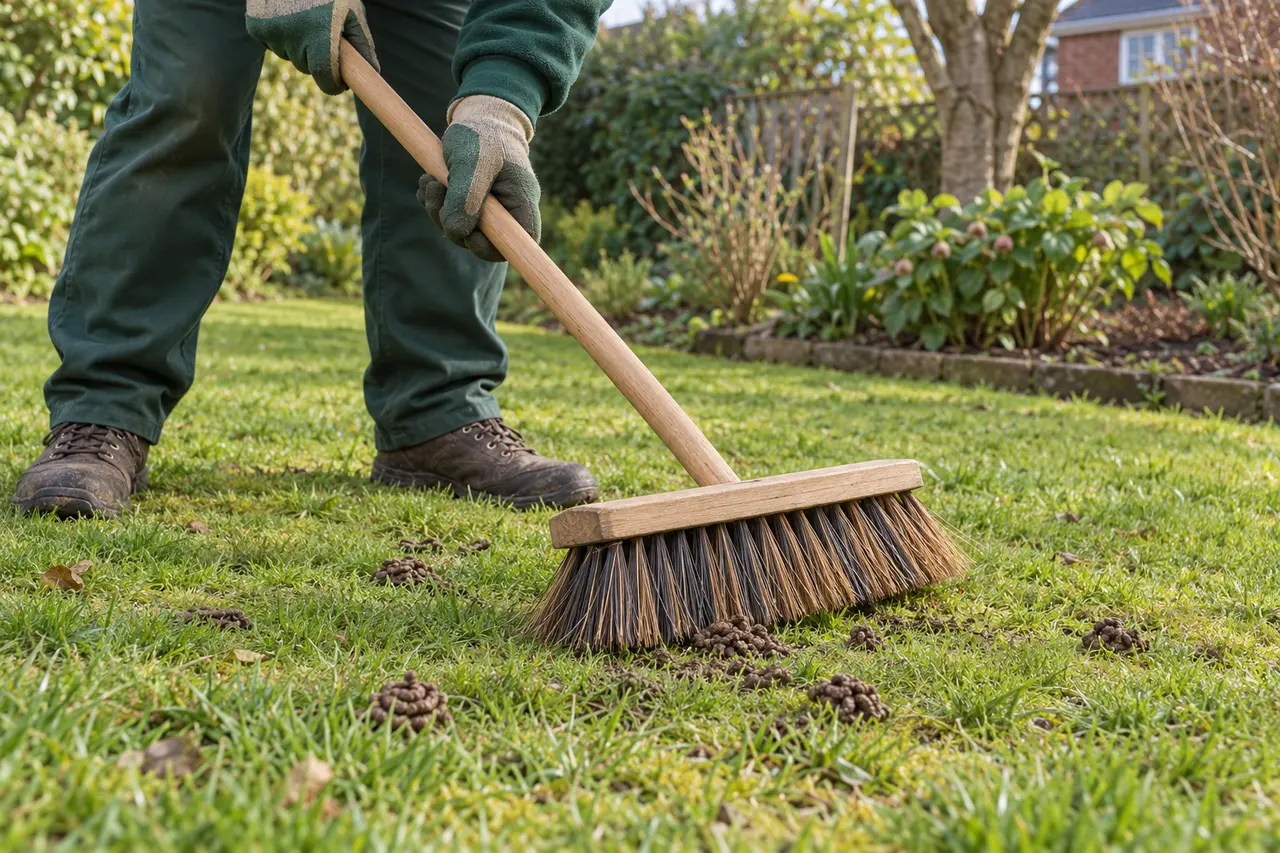
Fresh worm casts are small deposits of fine soil, often with a coiled appearance. They come from the activity of certain earthworms rather than from a new plant spreading across the lawn. In an ordinary garden, that activity contributes to soil structure and nutrient recycling. The visible soil can need attention where it interferes with the finish, while the animals producing it remain useful below the grass.
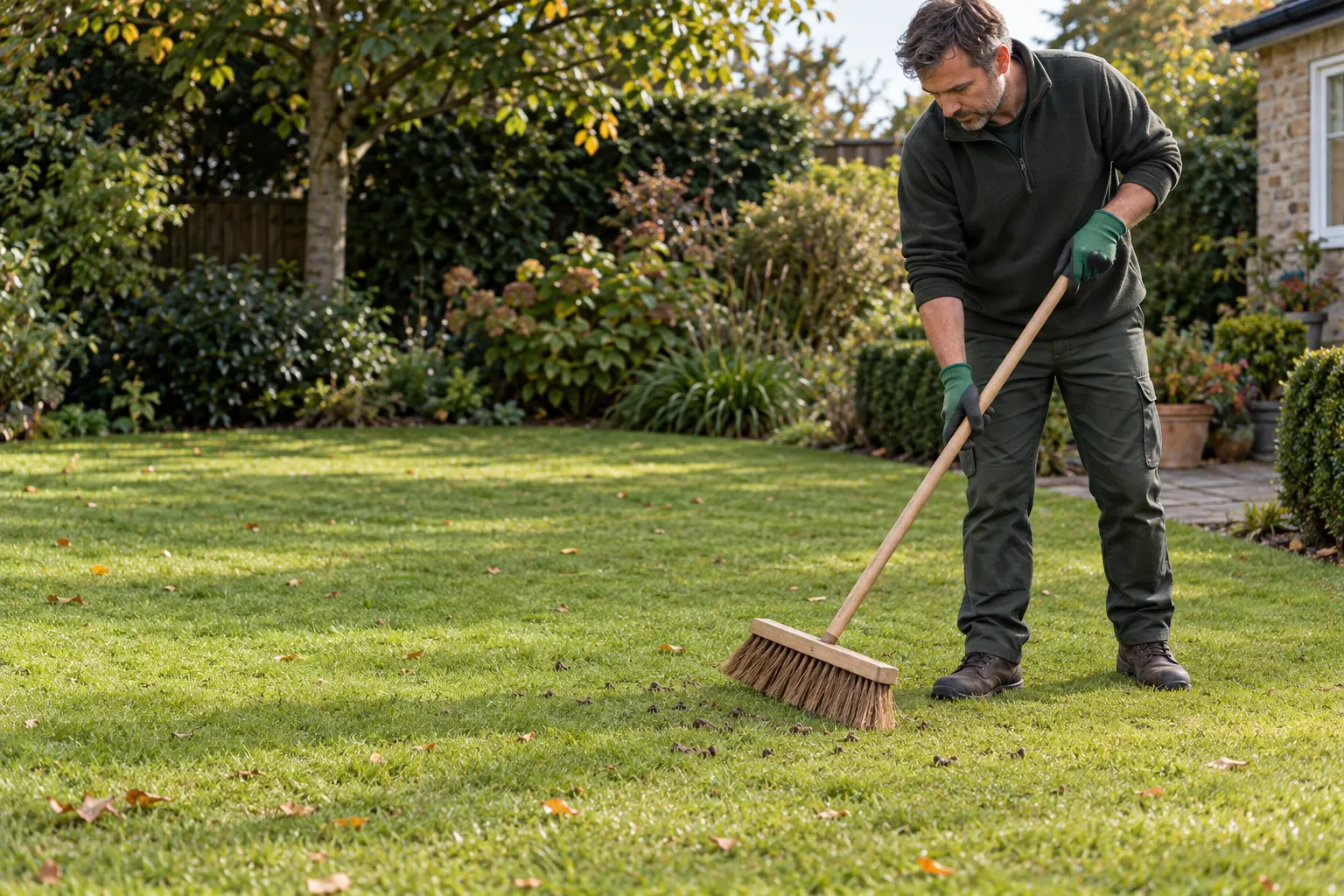
Look across the actual working surface before deciding which preparation it needs. A detached twig, a leaf and a soil cast do not belong to one interchangeable litter-collection task. Lift the separate objects, then consider the casts in the condition in which they are found. A garden-maintenance visit can leave tolerable deposits alone and attend to the dry material that genuinely obstructs the intended lawn finish, without turning every small mound into an excavation.
- Distinguish fine soil casts from leaves and other loose objects.
- Check that the selected casts crumble rather than smear.
- Use appropriate light brushing on the suitable surface.
- Keep the mowing height tied to the grass, not the soil mound.
- Leave wet casting areas out of unnecessary repeated traffic.
The condition before the brush
Try a small reachable area before working across the lawn
A dry crust and a damp interior can behave differently under the tool. Begin with a small reachable area and observe what the cast actually does. Suitable dry material should break into smaller particles; if it spreads into a muddy streak, stop that operation rather than make the next pass harder. The immediate result is more useful than the appearance of the lawn from several metres away.
Use an appropriate garden brush or other suitable dispersal method with a controlled light action. The purpose is to break the raised dry deposit, not scrape out living turf or dig through the root layer beneath it. Work without repeatedly treading over untreated wet casts to reach a dry corner. Where the whole surface remains unsuitable, leave the brushing until its material and footing permit a better result instead of force a cosmetic finish into damp soil.
The grass cut after surface work
Keep soil preparation out of the mower’s cutting job
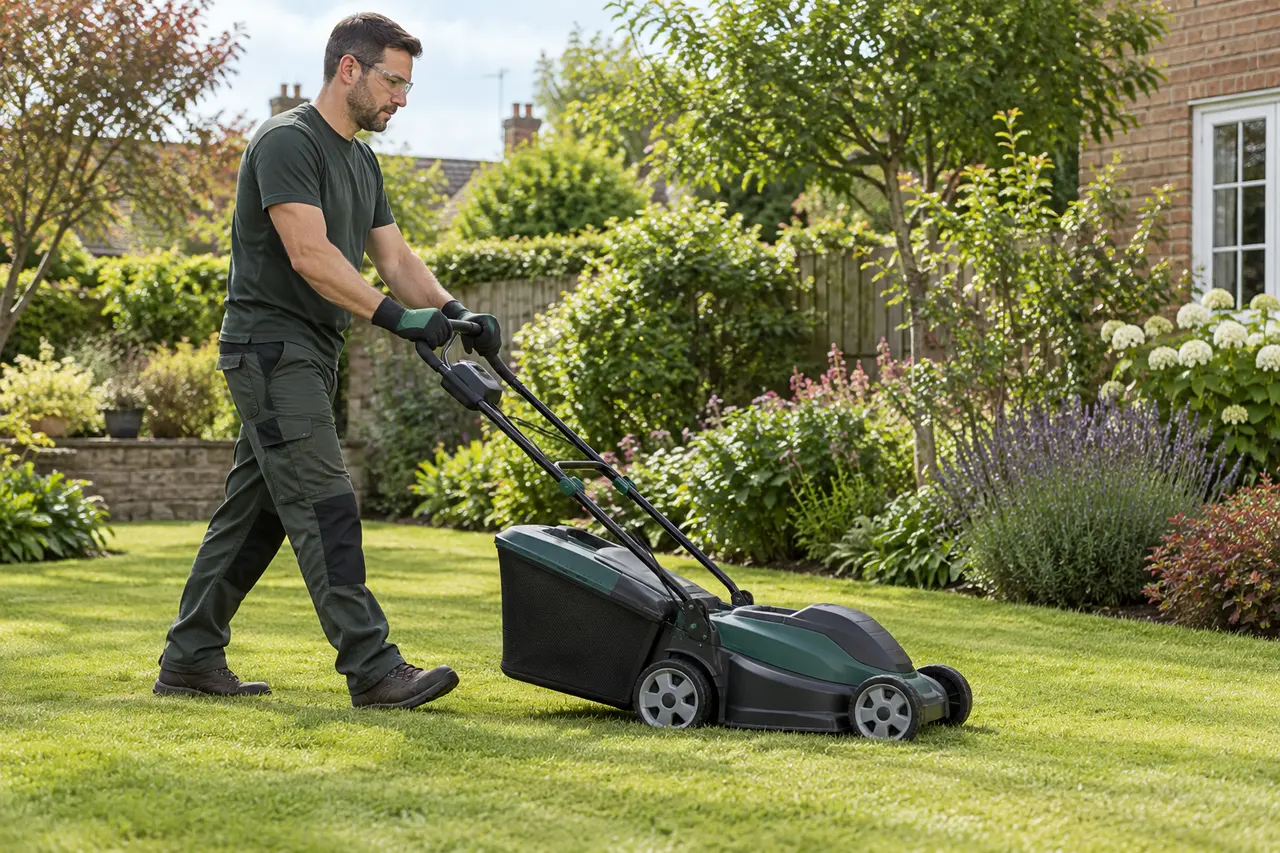
Once appropriate preparation is complete, lawn mowing still concerns the grass. Keep the chosen height suitable for its growth and the condition underfoot. A raised cast is not a reason to drive the machine closer to the ground. Where wet soil would collect on wheels or be smeared by their passage, an apparently short cutting job can leave a worse surface than a considered decision to wait.
Inspect the route as the work progresses, including the places used for turns and collector emptying. A broad straight pass and a repeatedly crossed turning point receive different amounts of traffic. Keep the equipment movement within a suitable working area, and do not use a cast-covered damp corner as the convenient turning bay for every run. After mowing, distinguish any remaining raised soil from missed grass before deciding that the same strip needs another cutting pass.
Collection without stripping the soil
Take detached plant debris away without bagging the lawn surface
Leaves and hedge fragments can lie among the small soil deposits. Gather that detached plant material with suitable tools rather than scoop up the entire surface as a mixed load. A close look makes the difference visible: a woody tip belongs to the cut material, while a dry cast can often be dispersed where it lies. The lawn should not lose a layer of its surface simply because the preparation is being described as a clear-up.
For a wider garden clean-up, keep the outgoing plant material and its disposal distinct from soil that remains part of the garden. Do not sweep everything onto the path and then decide which part needs taking away. A collecting container should receive the intended green material as it is gathered, with foreign objects separated. This leaves a clearer surface for the next operation and a more accurate understanding of the material actually being removed.


The planted edge beside a damp lawn
Reach the border from firm footing where that is practical
A border alongside the lawn may still have reachable weeds even when the grass is best left without extra foot traffic. Where an existing firm path gives suitable access, use that side for the close hand work rather than repeatedly walk through wet casts. Keep the working position comfortable and the wanted plants visible. Reaching a little farther is not an improvement if it means leaning on retained growth or losing control of the tool.
Put the weed container on the same suitable working side so each small load does not need to be carried back across the damp lawn. Loosen the selected weed and recover its accessible roots while keeping the neighbouring plant base stable. Return displaced soil to the bed. If that firm approach does not give a workable reach, leave the inaccessible part for another suitable arrangement; the existence of a path does not make every part of a wide border reachable from it.
Two different finishing tools
Collect the long clippings before brushing the soil casts
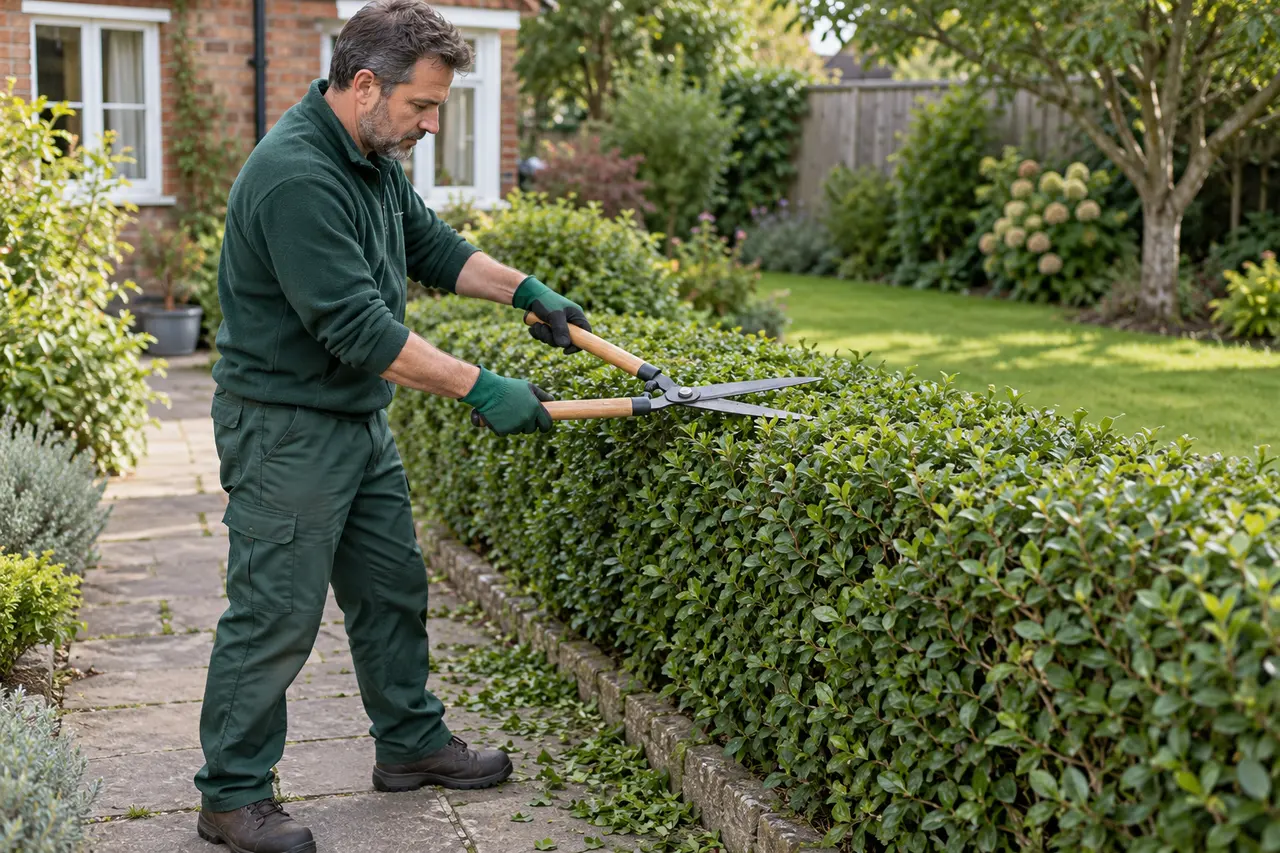
Suitable reachable hedge trimming can leave long pieces that a cast-dispersal brush is not intended to handle. Gather those clippings first with an appropriate collection method. A woody piece caught in the bristles can be dragged through the grass while the operator believes the tool is only breaking small soil deposits. Keep the two materials and their tools in separate passes, with the lawn surface visible before any brushing starts.
Check the hedge for nests being built or in use and postpone affected cutting. For suitable manual-shear work, keep a firm position and a clear space for the handles to move. Lift the accessible clippings once cutting stops, then reassess the lawn material rather than automatically proceed to the next tool. During this seasonal garden finishing, the hedge may be ready for attention while the casts beneath it still need more time to dry.
Different materials need their own practical decisions
Set the intended lawn finish before choosing its upkeep
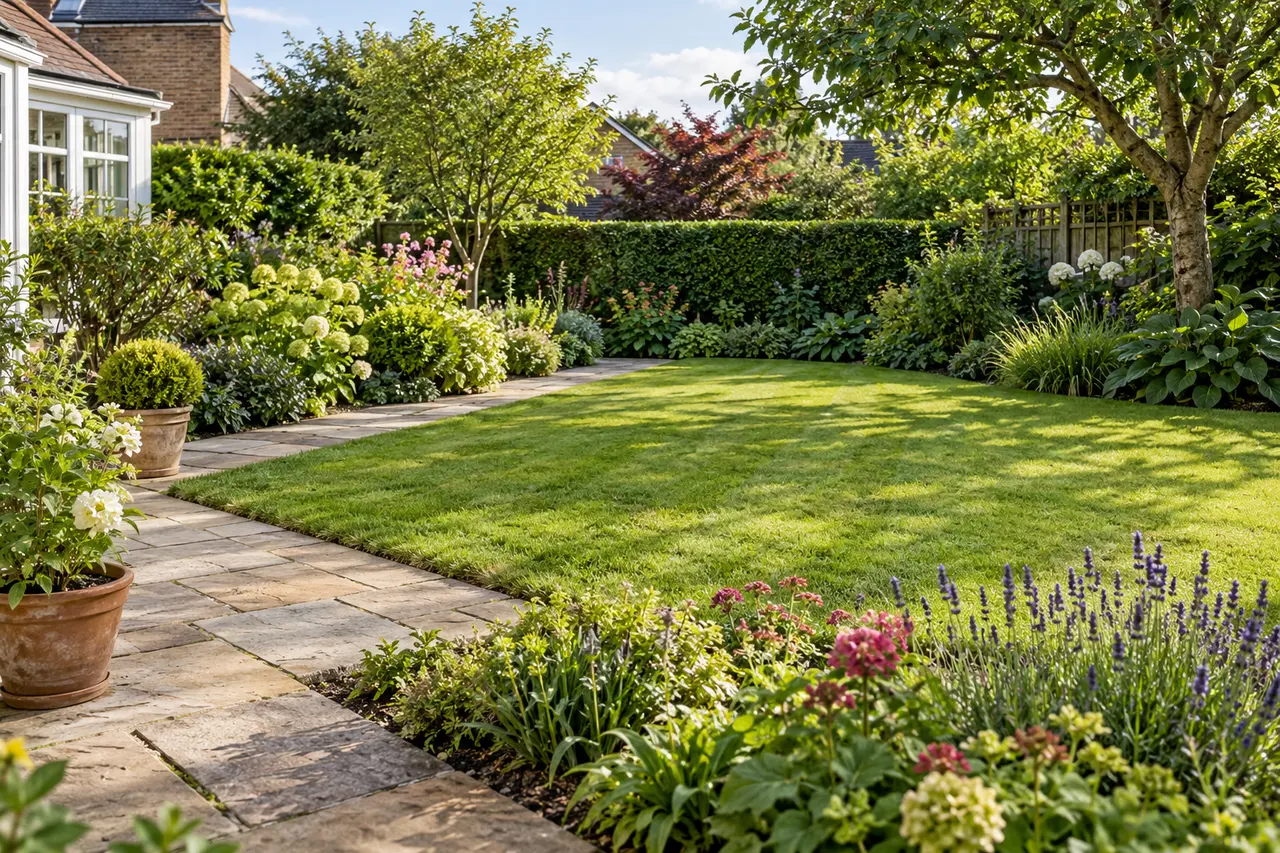
A fine, closely cut lawn has different finishing demands from a longer everyday grass surface. Raised soil casts become more intrusive where a very low finish is expected. Put the desired grass character and the practical upkeep into the garden-design brief, alongside the shape on the plan. Choosing that level of finish deliberately is more useful than drawing an ordinary lawn and later assuming it will behave like specialist fine turf.
Keep fresh woodchip distinct from soil-mixing compost
If tree work will leave retained woodchip, agree its intended use before it is spread. Fresh woody material can serve an appropriate surface-mulching purpose, but it should not be treated as mature compost to dig through planting soil. Mixing woodchip into soil can tie up nitrogen as it decomposes. Keep that material in its suitable role rather than incorporate it simply because a freshly chipped load looks fine-textured.
Give a cable reel room to lose heat
Where a pressure-cleaning setup uses an electrical extension reel, follow its instructions and fully unwind it for use. A wound reel holds cable together and can overheat; pulling out only the length that reaches the machine does not settle that heat issue. Arrange the unwound cable appropriately within the working setup.
Support the collection container independently of the channel
Where the agreed gutter-cleaning method uses a container to receive removed deposits, give that container suitable independent support. A load of wet debris should not hang from the gutter profile or its joining clips. Keep the receiving arrangement supported by the appropriate work setup so removing material from the channel does not add a concentrated handling load back onto it. The gutter remains the component being cleaned, rather than a convenient hook for the collected weight.
Use a cooler intermediate stage before the return outdoors
After a living pot-grown Christmas tree has been displayed in a heated room, follow appropriate guidance for a gradual return to colder outdoor conditions. A suitable cooler intermediate position can provide that transition instead of moving the tree directly from the warm room into a sharp temperature change. Make the actual move and receiving position part of its care. There is no single fixed number of days that fits every tree and temperature difference.
Include the surface preparation in the gardening time
A suitable surface finish can involve identifying the material, light dry-cast work and collection before mowing. The following general gardening rates relate to time spent on the specified tasks.
| Gardening time | Guide price |
|---|---|
| First hour | £83 |
| Each subsequent hour | £65 |
GBP guide rates. Establish the complete work, collection arrangements, VAT treatment and any applicable parking or access charges in the quotation.
Earthworms, fresh casts and realistic lawn care
Does a lack of visible casts mean there are no earthworms?
No. Many earthworm species leave their waste below the surface rather than produce the conspicuous casts seen on a lawn. The visible deposits do not count the whole earthworm population. A clear-looking surface should therefore not be treated as proof that the soil contains none of these animals.
Can new casts appear after a well-finished visit?
Yes. Active casting worms can bring fresh material to the surface after earlier dry deposits have been dispersed. That is a new deposit, not necessarily grass that the mower missed. Judge the next task against the material now present rather than expect one surface-finishing operation to stop an ongoing biological activity.
Will collecting every grass clipping reliably stop casting?
Clipping collection can be appropriate for the intended lawn finish, but it is not a reliable way to make casting cease. Earthworms use material within a wider soil system. Choose collection for the actual mowing and material-handling purpose rather than promise that removing one visible food source will permanently remove the casts.
Should lawn acidity be changed simply to deter casting?
Soil acidity affects the grass as well as the earthworms. Trying to alter it for a cosmetic surface result can make conditions unsuitable for the lawn, especially if the soil is already acidic. Any proposed change needs an appropriate horticultural reason and evidence about the soil; it should not be an automatic addition to dry-cast brushing.
Use the dry opportunity without chasing every new cast
Let the lawn retain the benefits of its living soil. Where a surface tidy is useful, give suitable dry-cast work a specific place in the gardening plan, and leave tolerable deposits alone. A realistic finish can respond to new material without turning every fresh mound into a demand for another mower pass.