

A defined soil operation within the lawn-care sequence
Gardeners Crofton Park
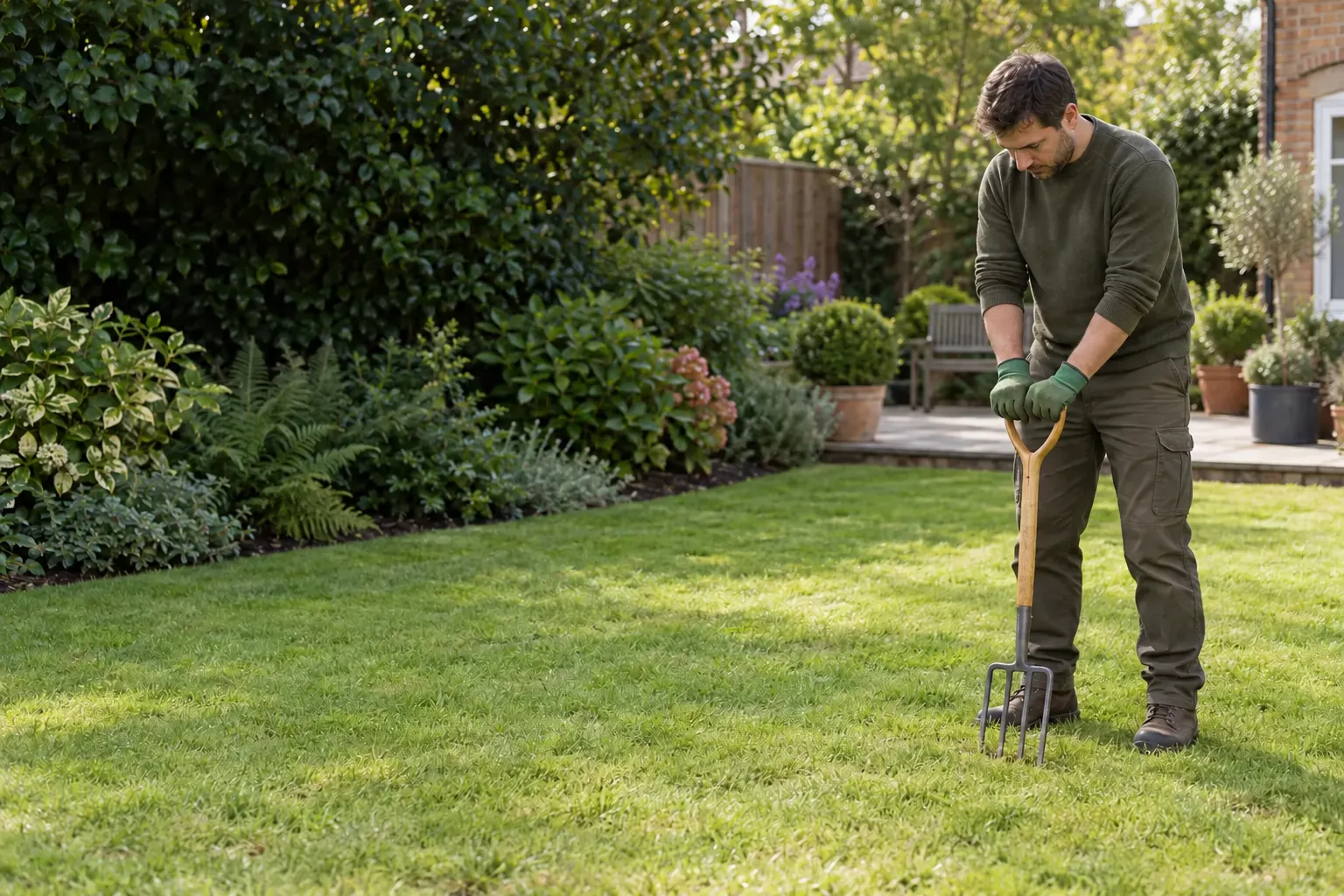
Our planned lawn aeration addresses an identified ground condition with a suitable selected method. We distinguish that soil work from ordinary mowing and surface-material removal, coordinating preparation, any resulting cores and the relevant follow-up. Adjoining beds and hedges retain their own care while the lawn receives the operation actually specified.
- What does your aeration do beyond mowing? We work into the soil using the selected method; an unchanged grass length does not mean that the below-surface task was omitted.
- How are extracted cores handled? Our arrangement identifies their destination and any collection, keeping lawn material distinct from a prepared growing medium for containers.
The ground condition and the selected method
How is aeration distinguished from surface clearance?
Our aeration works into the soil, where the suitable operation can address compaction and conditions for air and water movement. Removing moss or thatch at the surface has a different purpose. We assess the lawn’s actual issue and identify the suitable soil, surface or cutting task, retaining each selected operation’s purpose within the practical care sequence.
How does the aeration method affect the finish?
We identify whether solid or hollow tines suit the proposed operation. Solid tines enter the soil without extracting the plugs produced by hollow-tine work, so material handling and follow-up can differ. The selected method stays explicit alongside the appropriate handling, leaving the actual surface result and follow-up connected to the tine operation used.
The purpose of entering the soil
Aeration selected against the lawn’s actual condition
Our lawn assessment includes the grass, receiving ground and any known pattern of concentrated use. Where compaction is relevant, a suitable aeration operation can form part of its care. A thin appearance alone is not used to select one automatic treatment. We separate the purpose below the surface from shortening the leaves, giving the proposed work a reason that relates to the condition being addressed.
The working area is defined against the planted bed, hard edge and any portion outside the selected task. Those boundaries identify the actual receiving ground for the selected soil-entry movement and any portion requiring a separate suitable approach. We retain known features and areas requiring another approach within that plan, keeping the lawn’s full green footprint from being treated as one unrestricted receiving surface for the same operation.
The lawn-care service distinguishes this selected recovery work from the routine cut. Our proposal identifies aeration and the method appropriate to what is found, with its result stated realistically. Soil entry alone is not presented as resolution of every drainage concern or establishment of new turf where grass is absent. The task remains connected to the particular condition and the separate care needed around it.
Mowing before the ground operation
A suitable preparatory cut with its own finished margin
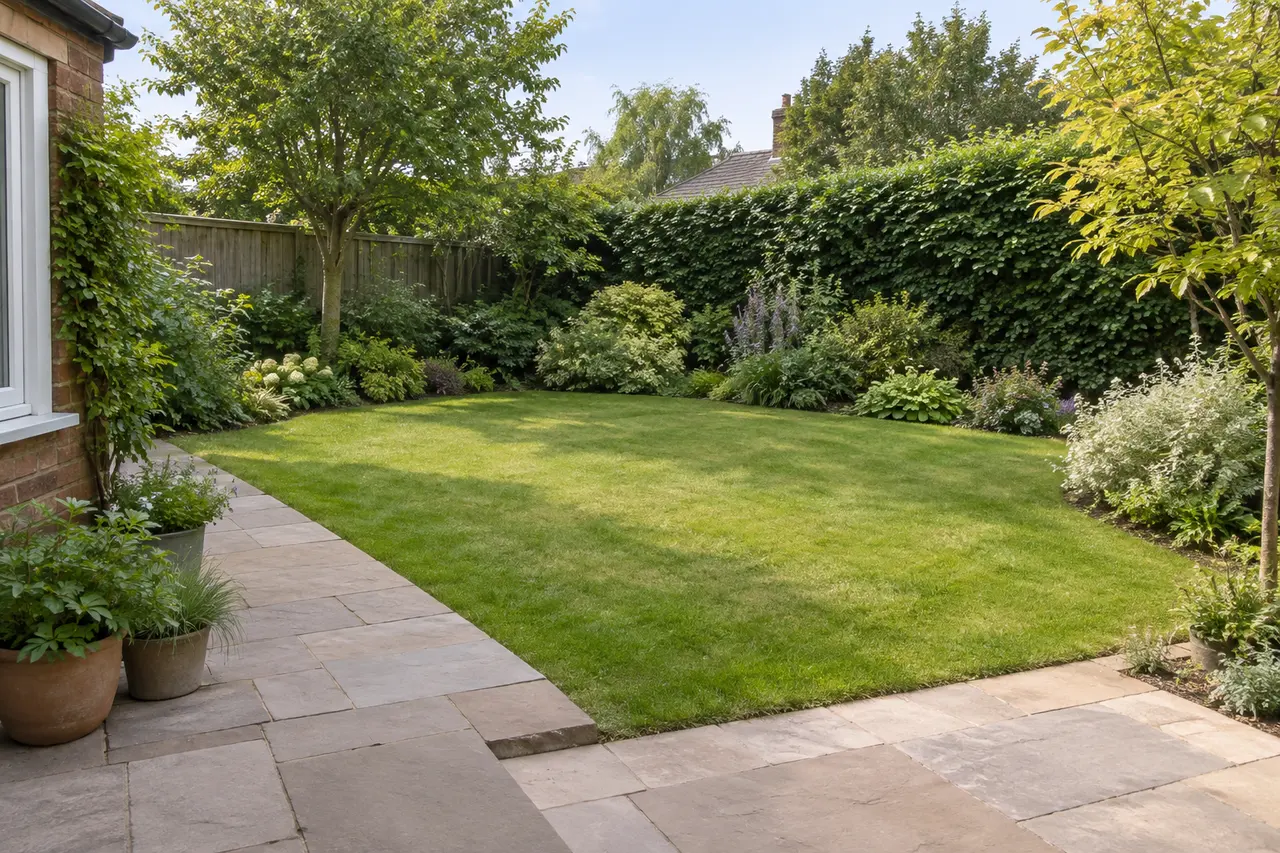
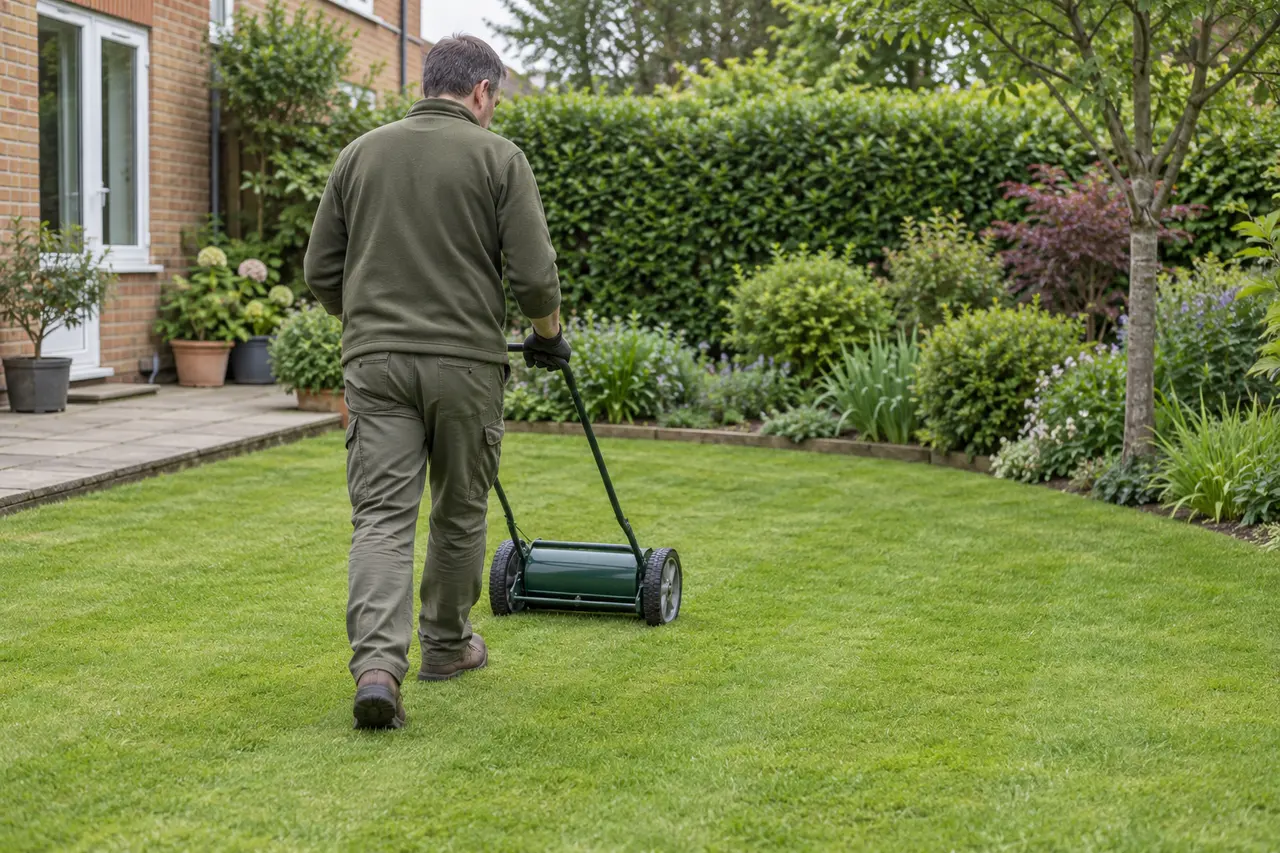
Where mowing shares the plan, we place its suitable cut and collection in the sequence before newly produced material complicates later movement. The preliminary cutting height follows the grass and the preparation needed for the selected soil operation across its accessible receiving area. Preparing an accessible lawn gives the following task a clearer surface while retaining ordinary cutting as a distinct stage with its own practical result.
We remove loose objects from the mowing route and keep the machine on suitable grass. The margin beside planted soil receives an appropriate finish without shifting its intended boundary. Different lawn portions may be at different stages, so our preparation does not assume they are all ready for the same traffic merely because ordinary cutting is possible on the established open part.
After the chosen soil work, subsequent equipment follows the relevant surface and aftercare requirements. Any cores or additional materials remain part of that decision. The area is not automatically returned to another routine pass because neighbouring grass is being cut. Our sequence recognises the operation just completed below it, preserving that treatment while other suitable garden work continues around the defined area.
Material produced by the selected tine method
Core handling connected to the lawn’s planned follow-up
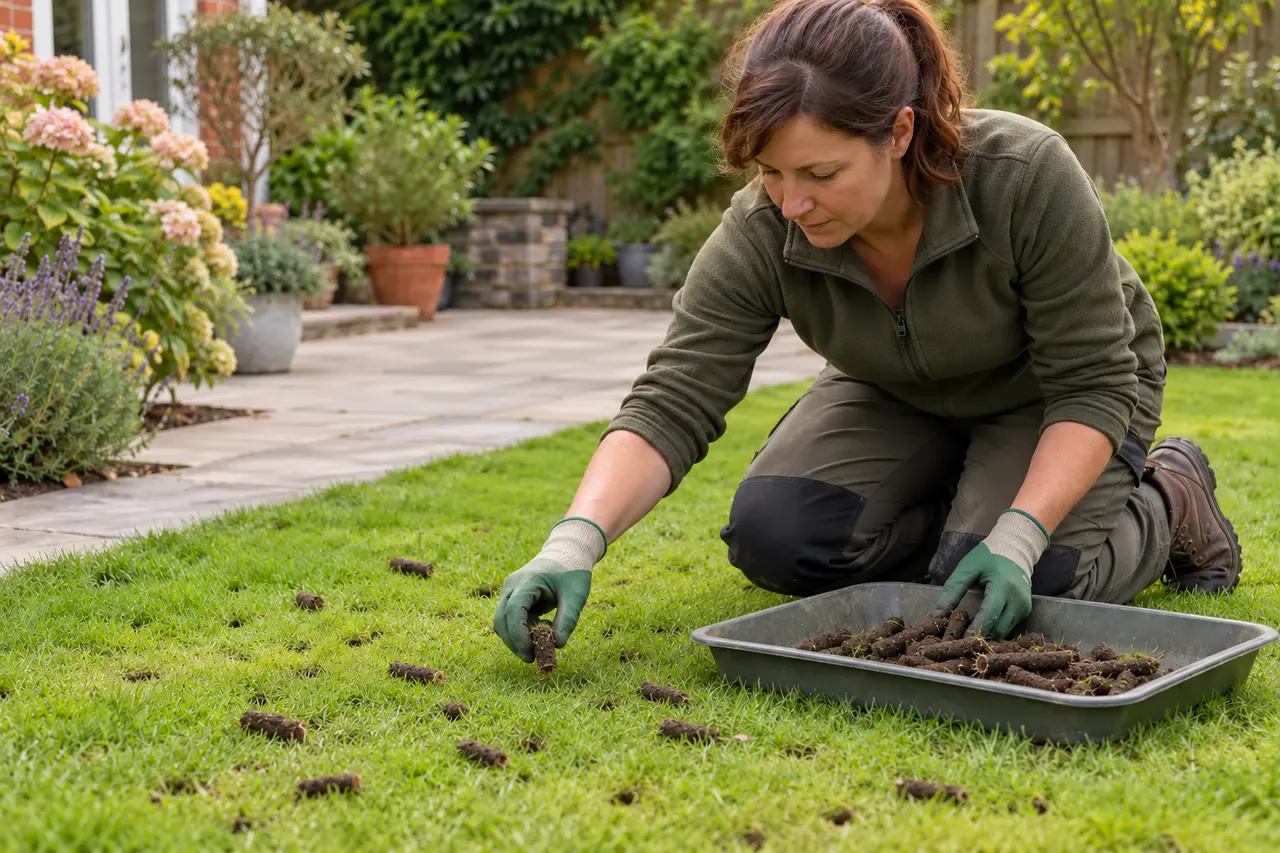
Where hollow-tine aeration is selected, the extracted plugs of turf and soil can remain on the surface. We identify whether that material stays for the intended next stage or receives collection within the work. Its presence belongs to this particular method, not a rule that all aeration must leave identical debris. Our finish follows the method’s actual output, with the appropriate next surface stage and handling of any extracted cores identified in the arrangement.
When collection is included, manageable portions are gathered into a suitable container and kept distinct from litter or discarded objects. The load is not emptied over low plants merely to expose clearer grass. Extracted lawn material has its own contents and intended destination, and our handling does not relabel it as ready-made potting compost simply because soil forms part of what was removed.
A broader garden clean-up can address unrelated accumulations separately, using the distinctions in the garden-waste guidance to keep the loads recognisable. We keep soil-core handling identifiable within the lawn plan, with each collected load directed according to the material and operation that produced it. The practical result identifies where material from the selected operation goes, while rubbish and other garden growth retain the handling appropriate to their own contents.
- Our proposal names aeration separately from the ordinary grass cut.
- Known planted positions remain identified before equipment enters the soil.
- The selected tine method determines whether core handling is required.
- Extracted lawn material stays clear of neighbouring plant crowns.
- Relevant aftercare governs the return of routine equipment to the treated area.
Beds adjoining the turf operation
Separate hand care within the occupied planting
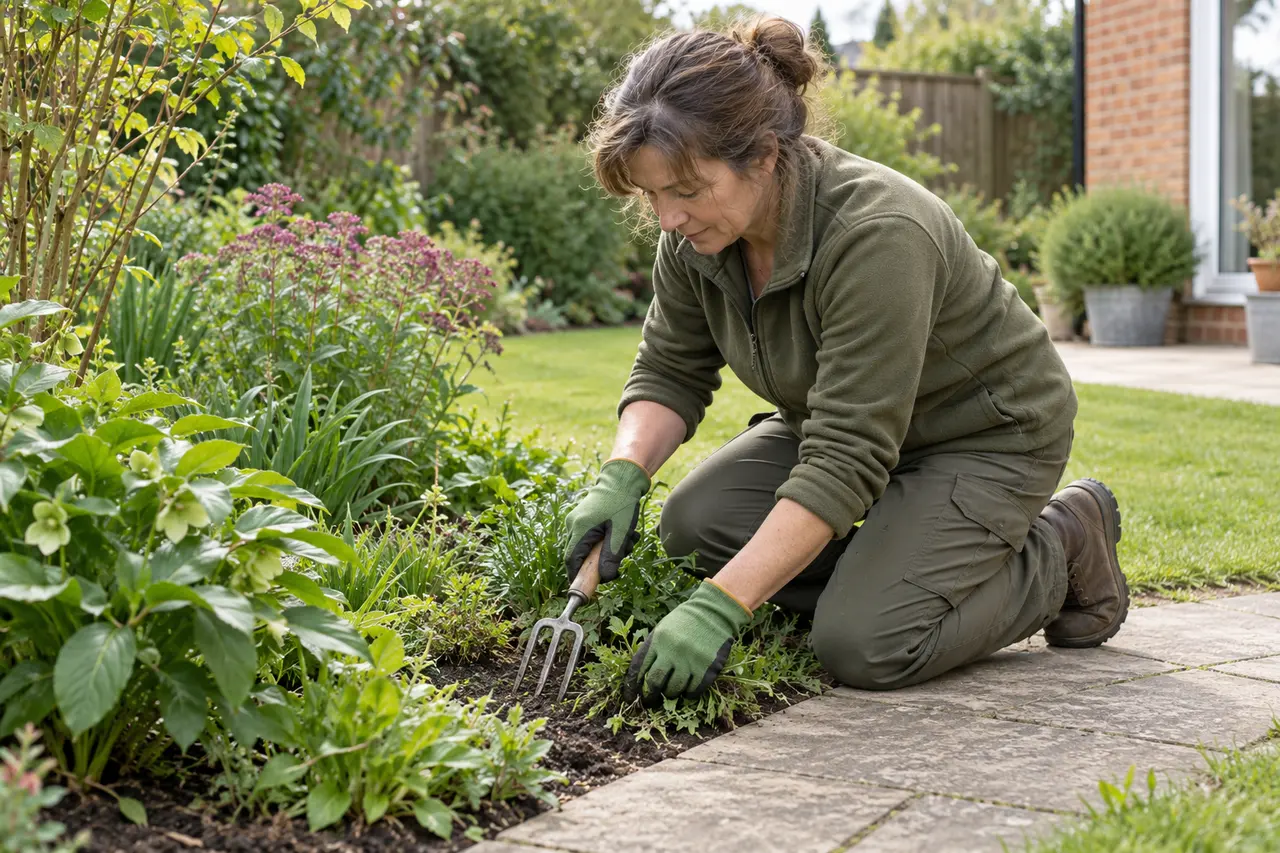
Our soil-entry work follows its defined turf boundary, leaving the occupied bed beside it available for suitable separate hand attention. Established roots can occupy the soil just outside the grass. We attend to accessible weeds there as a separate hand task, preserving the different treatment needed by those plants. The garden retains those distinct receiving areas through the sequence, with each selected task completed according to the plants and ground occupying its position.
Known bulbs within turf are also identified before the method is set, including positions where their leaves are no longer visible. Known bulb positions inform the selected area and method before work begins, preserving the retained planting within its actual receiving ground. An open appearance above the ground does not establish an empty root space below it, so the operation remains connected to the occupied surface actually being maintained.
Suitable Garden maintenance can continue around the lawn with reachable hand attention and usable watering access for retained plants. We keep loose bed soil and tools outside the active turf route. Our collection keeps the bed’s soil and weed load distinguishable from the lawn output, leaving each area’s practical result clear at its respective finish.
Hedge preparation above the lawn edge
Cuttings gathered before the soil surface is worked
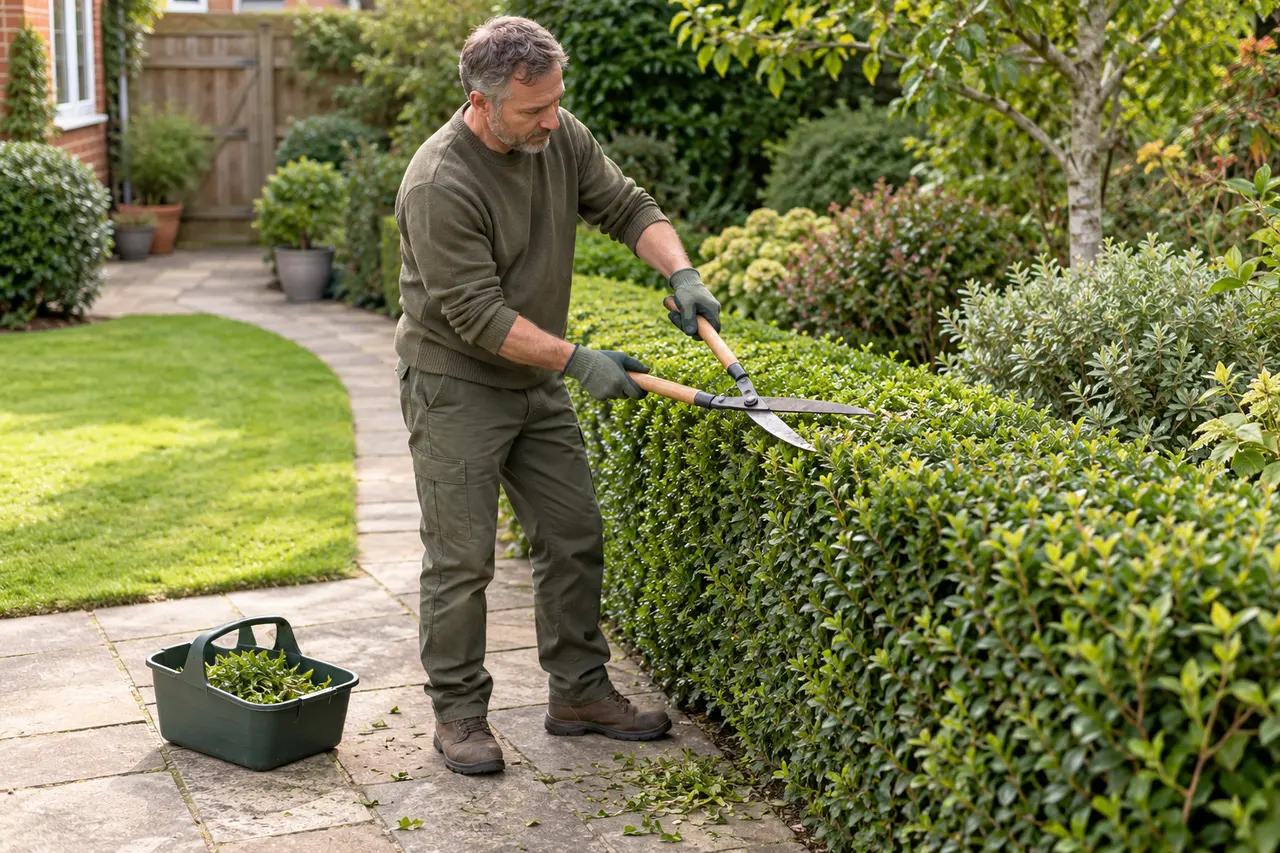
Where suitable reachable hedge trimming is included, our sequence collects its fragments from the intended lawn area before the soil operation. Fresh pieces can conceal objects and obscure the receiving grass. That preparation leaves the lawn surface visible and suitable loose fragments gathered before equipment approaches the selected soil-entry area.
The hedge’s cut follows its species and condition from a controlled stable position. We check affected vegetation for nests being built or used and postpone disturbing work where necessary. Retained planting stays outside the standing area, and an inaccessible section remains a defined limitation. The lawn’s planned operation is not used as a reason to adopt an unsuitable stance for reaching the hedge above it.
Our gathering retains the visible relationship between hedge, bed and turf. Fresh woody fragments stay separate from extracted lawn material where their handling requires different destinations. This prepares the actual grass surface without extending perforation into the hedge’s occupied root area. The boundary can therefore receive its suitable finish while the ground operation remains within the distinct lawn area identified for it.
Conditions and the next stage
Follow-up related to the actual treated surface
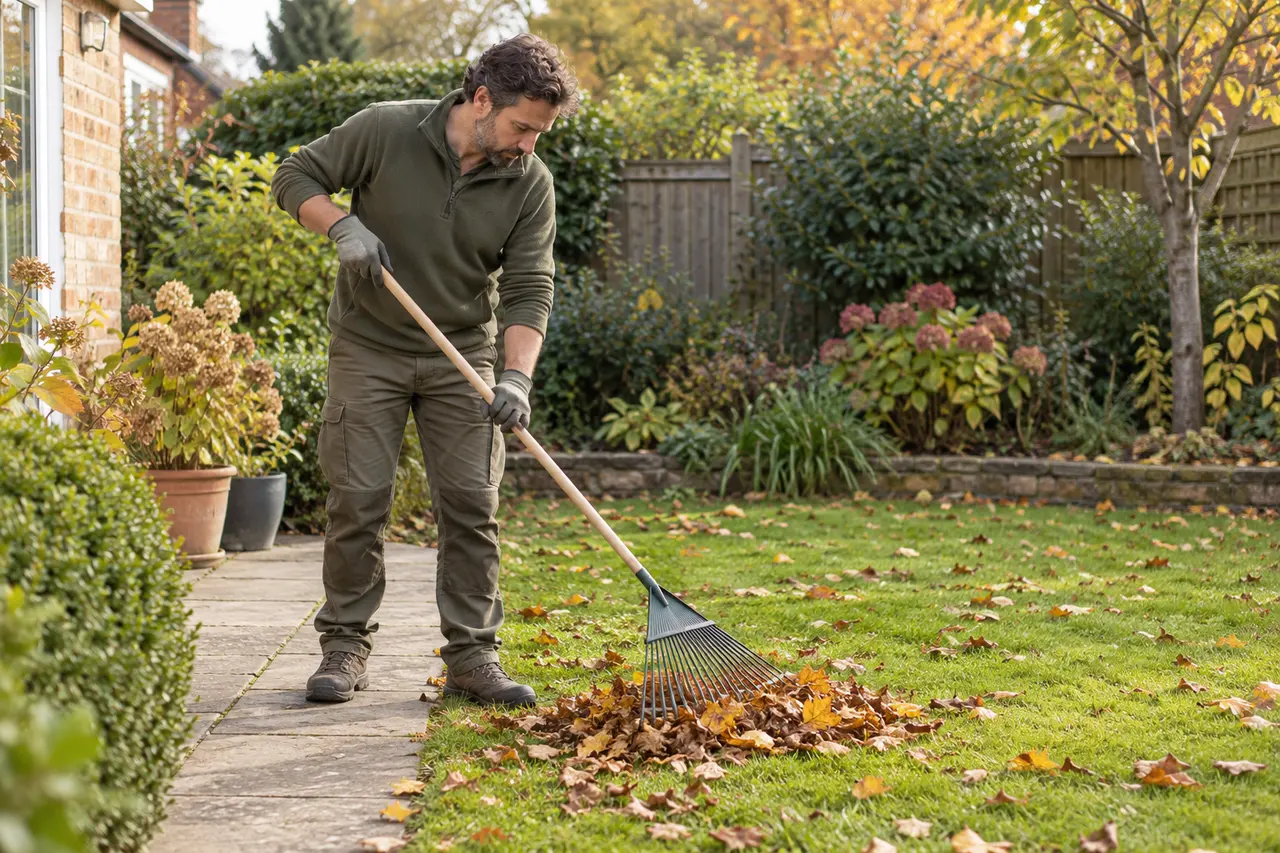
Suitable seasonal leaf collection can uncover the surface before the ground condition is assessed. Very soft, frozen or stressed turf may require different timing, so the season’s name does not establish readiness for the same equipment everywhere. Our preparation follows what is found beneath the loose layer and leaves any affected portion clear as a deliberate part of the timing decision.
Following aeration, we retain the particular aftercare plan, including any specified handling or additional operation. Overseeding is a separate proposed stage with its own preparation and materials; it does not automatically arrive because the soil has been opened. Keeping that distinction visible gives the completed aeration an identifiable result without silently adding a different recovery task to it.
Later use remains relevant to the lawn’s continuing condition. Concentrated traffic can continue to affect ground already treated, so our next assessment includes that pattern as well as the grass. Suitable aeration can address the identified compaction without removing its cause. Returning attention carries those observations forward, selecting suitable further care from the actual grass condition and the way the surface continues to be used.
Further services connected to lawn use and its surroundings
Design around concentrated standing and repeated activity
Our garden design can examine a frequently used washing-line position or play area that repeatedly loads one small part of the lawn. We relate concentrated activity to the garden’s available positions and routes, giving the ground condition and its continuing use a connected layout assessment. That gives a lasting layout decision a practical basis where ongoing traffic would otherwise continue concentrating on the same treated patch.
The retained living base within coppice management
A tree-work proposal distinguishes a suitable coppice stool intended to produce new stems from a base selected for grinding or removal. The living structure remains part of the intended result where that management is appropriate to the plant. We specify the appropriate living base retained for suitable coppice management, with its expected new stems kept distinct from a separate base-removal operation.
Paving cleaning beside specified artificial-grass infill
Where the paving clean adjoins artificial turf with specified sand infill, our working boundary keeps that material in its intended structure. The specified infill can support the artificial fibres and help stabilise their surface, retaining its own role within the product’s intended structure. Jet and displaced debris remain within the suitable hard-surface task, following the turf product’s care requirements without replacing its infill with sweepings from paving joints.
Contained transport of wet gutter deposits
Our gutter cleaning collection accounts for water held in the removed material. We gather wet deposits in suitably contained manageable batches, preserving control of the actual moisture-bearing load through its movement to the arranged destination. This keeps the channel clearance from creating another accumulation elsewhere in the garden, relating the receiving container to moisture and handling as well as the visible volume gathered from above.
Needle-retention descriptions with realistic expectations
An offered Christmas tree described for good needle retention still needs its appropriate care and handling. Species character is a tendency, not an entirely needle-free display guarantee for every individual tree. Our discussion connects the stated retention tendency to the actual tree and its care, with any later shedding concern assessed against its extent and conditions.
Price the selected lawn work explicitly
These are the general gardening time guides. Identify aeration and its chosen method, material handling and any follow-up separately in the complete work proposal rather than infer a full recovery programme from a mowing allowance.
| General gardening time | Guide rate |
|---|---|
| First hour | £83 |
| Each subsequent hour | £65 |
GBP guide rates. Confirm the complete scope, supplies, waste handling, VAT treatment and applicable access, parking or congestion charges.
Questions about our selected aeration work
How is new grass treated within the plan?
We identify recently seeded areas and their establishment requirements before equipment enters the lawn. Readiness elsewhere does not establish that new growth can receive the same soil operation. The sequence identifies those young positions and their suitable timing, allowing established turf and newly seeded portions to retain their appropriate different care stages.
What is the destination for collected lawn cores?
Our arrangement identifies their actual contents and intended next handling. The collected cores remain identified by their actual lawn contents and the destination selected for that particular extracted material. Collection does not end by tipping the load into pots or over low crowns merely to empty the tub, even where that would make the visible grass surface appear immediately clearer.
How do you assess ground after recent rain?
We check the soil the selected tines need to enter, not only whether its top feels wet. Very soft or waterlogged turf can be marked by movement, while hard dry ground can resist appropriate entry. We select a workable receiving condition for the chosen method, relating tine entry and movement to the soil actually present after the rain.
How is the completed soil operation distinguished from mowing?
Our aeration has its own below-surface purpose while the appropriate leaf cut remains a separate stage. The selected method may leave the grass length much as it was. We relate the completed operation to its actual soil work and relevant follow-up, with the separate grass cut retained at the appropriate setting.
The selected method and its next stage kept understandable
Our Crofton Park gardening services can connect the identified lawn operation with suitable surrounding hand care, boundary collection and later attention. The finish follows what the chosen method produces, leaving routine mowing and any additional recovery stage distinct while the treated ground develops.