

Ways to Enhance Your Garden with Design and Tree Surgery
Established trees influence shade, space and the way a garden feels. Consider them early in a layout discussion, while keeping proposed tree operations separate from the design brief.
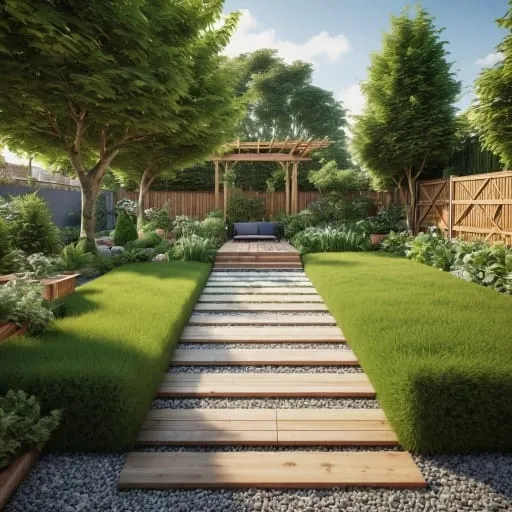
Put established trees on the plan first
A tree affects more than the space occupied by its trunk. Its canopy influences light, the view from the house and the room available around nearby features. Planning a new seating area or border without considering it can create a layout that works on paper but conflicts with the existing garden.
Record the tree's position and show the whole setting in photographs. Do not treat a proposed new layout as proof that the tree must be heavily reduced or removed.
Separate the design objective from the tree operation
Wanting more room beside a path is a design objective. The appropriate response to a nearby tree is a different question, requiring assessment of its condition and surroundings. An attractive drawing does not establish which cuts are suitable or replace checks on a protected tree.
The tree-surgery service covers enquiries about assessed pruning and removal. It remains separate from the work of organising the garden layout through garden design.
Work with the conditions that will remain
Planting beneath or beside an established tree needs to fit the available light, growing space and existing roots. A photograph of a bright open border elsewhere is not a planting specification for a shaded corner. Choose the intended use and care level with the actual site in mind.
Paths and seating also need sufficient room for access and future maintenance. A new feature should not make an established tree harder to assess or leave the garden usable only while surrounding plants are small.
Plan the sequence before installation
Where tree work is part of the project, its handling route and working area can affect the timing of other changes. Installing delicate planting in that route first may create avoidable disturbance. Each operation should have an identifiable scope rather than be hidden inside a general makeover description.
After the physical changes, garden maintenance can support the retained and new planting. The practical result is a garden whose layout, tree care and ongoing upkeep work together, without pretending that one service automatically includes all three.