

Easy Ways to Keep Your Garden Neat and Functional All Year Round
A functional garden leaves room to reach doors, use seating and care for plants. Start with those everyday movements, then organise maintenance around the areas that affect them.
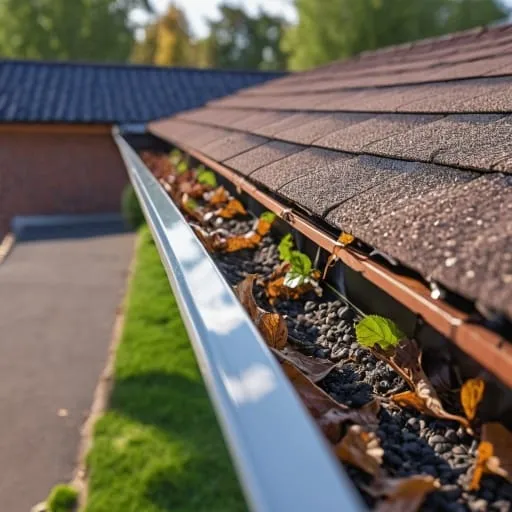
Follow the routes through the garden
Walk from the door to the gate, shed and seating area. Notice where furniture, pots or growth narrow the route. A garden can look tidy in a photograph while remaining awkward to use when a chair is pulled out or someone carries a watering can through it.
Move lightweight items to test a clearer arrangement before committing to a larger change. Fixed structures, heavy pots and shared boundaries need appropriate planning rather than improvised relocation.
Keep storage out of the working space
Tools, bags and unused containers need a suitable destination. Leaving them beside a bed can prevent the soil being reached and turn a simple weeding task into repeated moving and handling. Keeping a route clear also helps a gardener reach the area with equipment when a visit is booked.
That does not mean hiding mixed rubbish beneath planting. Vegetation, old furniture and building material have different handling requirements.
Maintain the edges that define the space
An existing lawn edge and a clear path make the relationship between planted and usable areas easier to see. Trimming the grass at that boundary is different from creating a new layout or repairing damaged paving. Routine lawn care can maintain the current arrangement without being mistaken for reconstruction.
Make changes that reduce recurring difficulty
If a narrow strip of grass is always awkward to reach or furniture repeatedly blocks the same entrance, the problem may be the arrangement rather than a lack of tidying. Garden design can consider those uses together.
For an otherwise workable garden, maintenance deals with the recurring mowing, weeding and pruning. Separating layout problems from routine work makes it easier to spend time on a useful solution instead of repeatedly clearing the same obstruction.