

Measured feeding for the lawn selected to receive it
Gardeners Bexleyheath
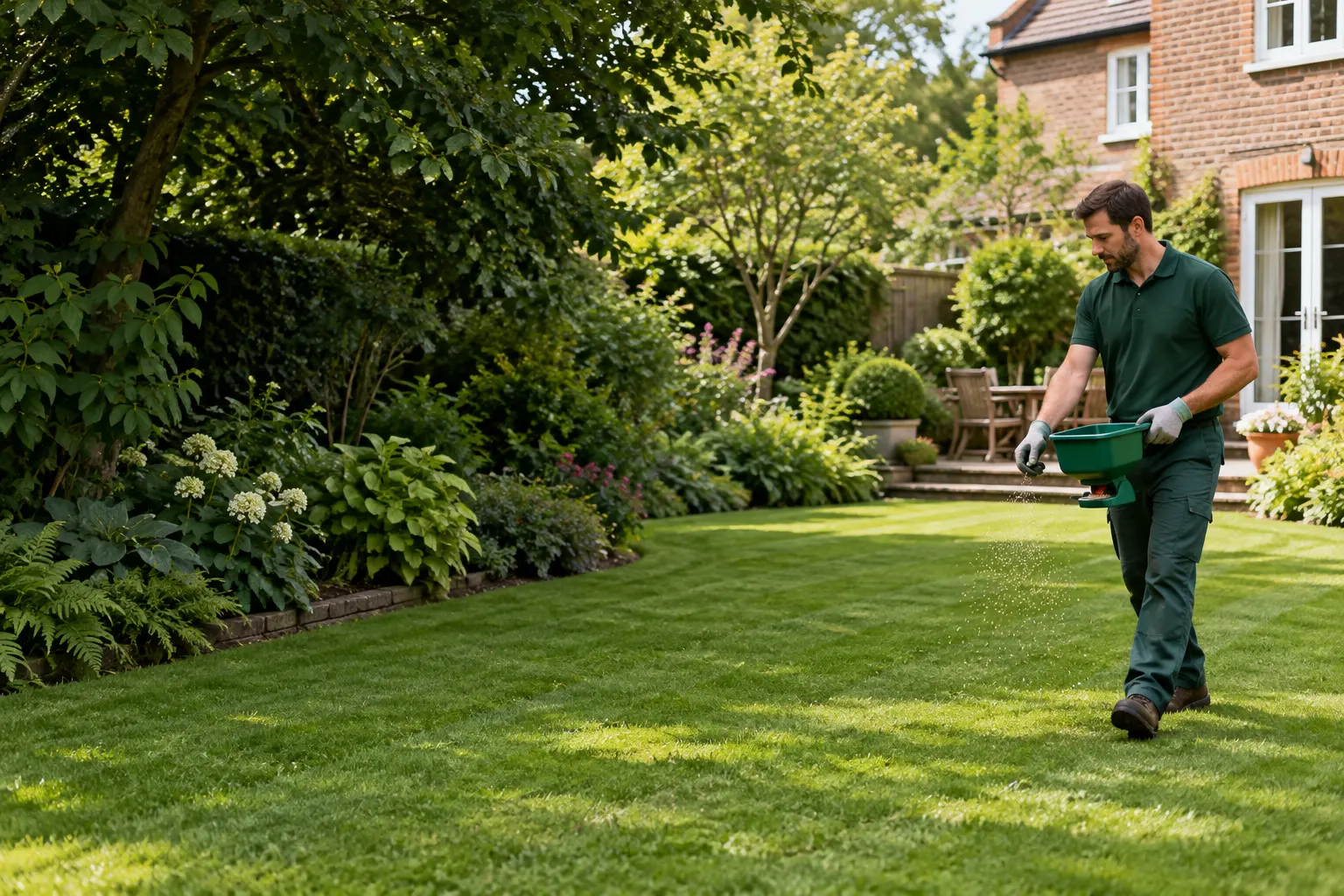
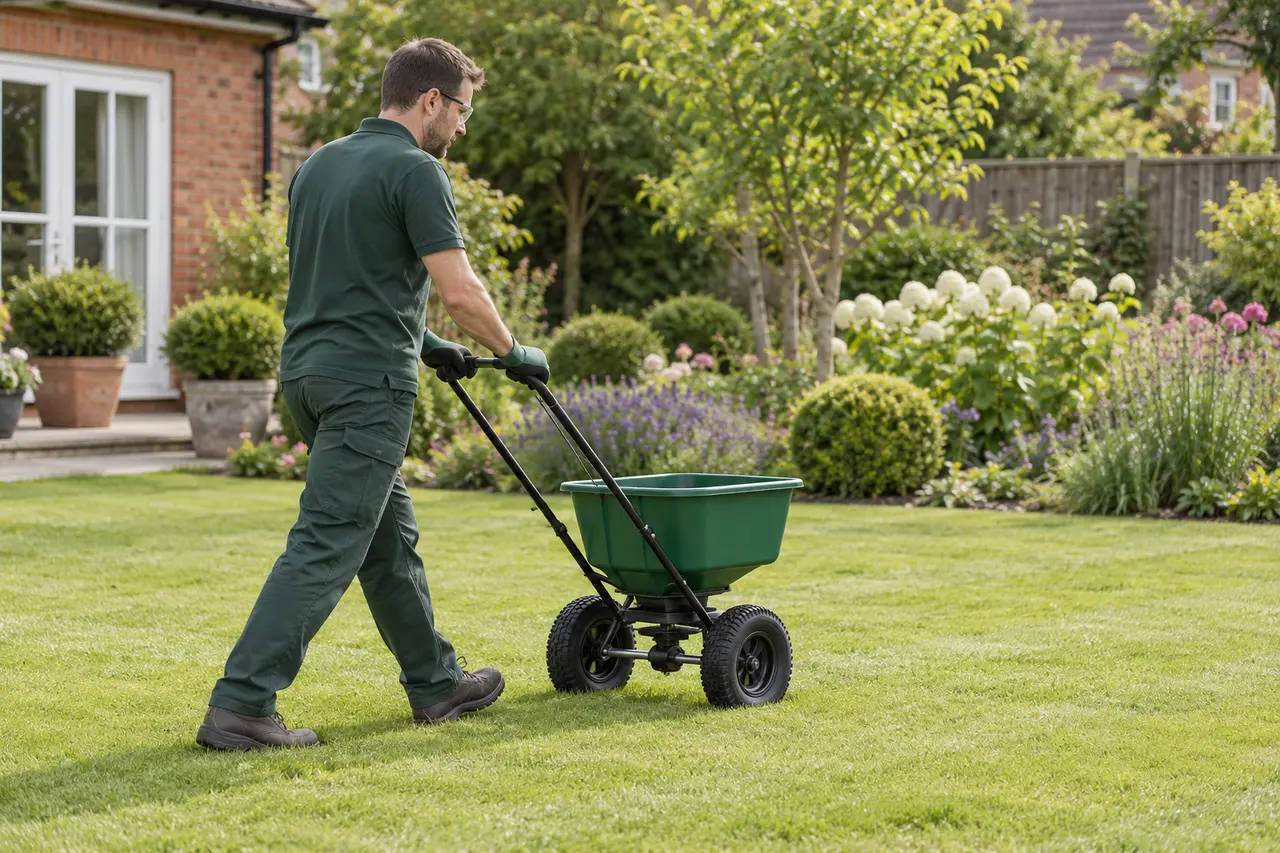
Our lawn-feeding work starts with an identified product and a measured receiving area. We prepare the grass, apply the suitable stated quantity and retain the relevant aftercare information. Mowing, nearby cutting and collection are coordinated around that operation, keeping excluded planting and other grass areas outside the application.
- How do you establish the feeding quantity? We measure the grass receiving the identified product, excluding beds and paving before calculating its stated rate.
- How is the spreading equipment set? Our setting and working pattern follow the identified formulation, its granule characteristics and the maker’s guidance for the selected application.
An identified application with preparation and aftercare
What forms part of your lawn-feeding proposal?
Our proposal identifies the receiving lawn, intended product, supply and included preparation and application. Its instructions govern the rate and suitable conditions. Mowing, loose-material collection and border attention can be coordinated alongside that task, with each material and any later work recorded. This gives the measured feed a defined sequence and a clear result within the wider garden visit.
How do you handle grass with different purposes?
We distinguish the maintained ornamental lawn from other grass, including an area intended for wildflowers. The same product is not extended across both merely because they meet at one edge. Our application follows the purpose and condition of the selected receiving area, retaining different fertility requirements where the garden’s separate grass features need them.
The material actually being applied
Product identification before the feeding operation
We establish the material from its legible original information before preparing the application. Contents, intended lawn type, season and working conditions remain available through the task. That identification gives the selected quantity and spreading method their reference, connecting the actual product in its container with the receiving grass and the relevant care information retained after distribution.
Our proposal identifies the actual feeding product and its purpose. Straightforward fertiliser and combined materials containing other active ingredients have different requirements, which are resolved before application. The selected task keeps those contents clear within the work arrangement, with any additional treatment appropriately identified. This provides a suitable basis for handling the material and following its actual instructions on the receiving lawn.
Within garden maintenance, the supply and identification of the feed remain recorded with the operation. Opened material receives the same checks for legible information and suitable condition before use. Once that product is reliably established, its instructions provide the working rate and application requirements. The preparation therefore keeps the received material connected to the actual quantity and suitable method used on the grass.
The selected grass surface
Receiving-area measurement without counting the whole garden
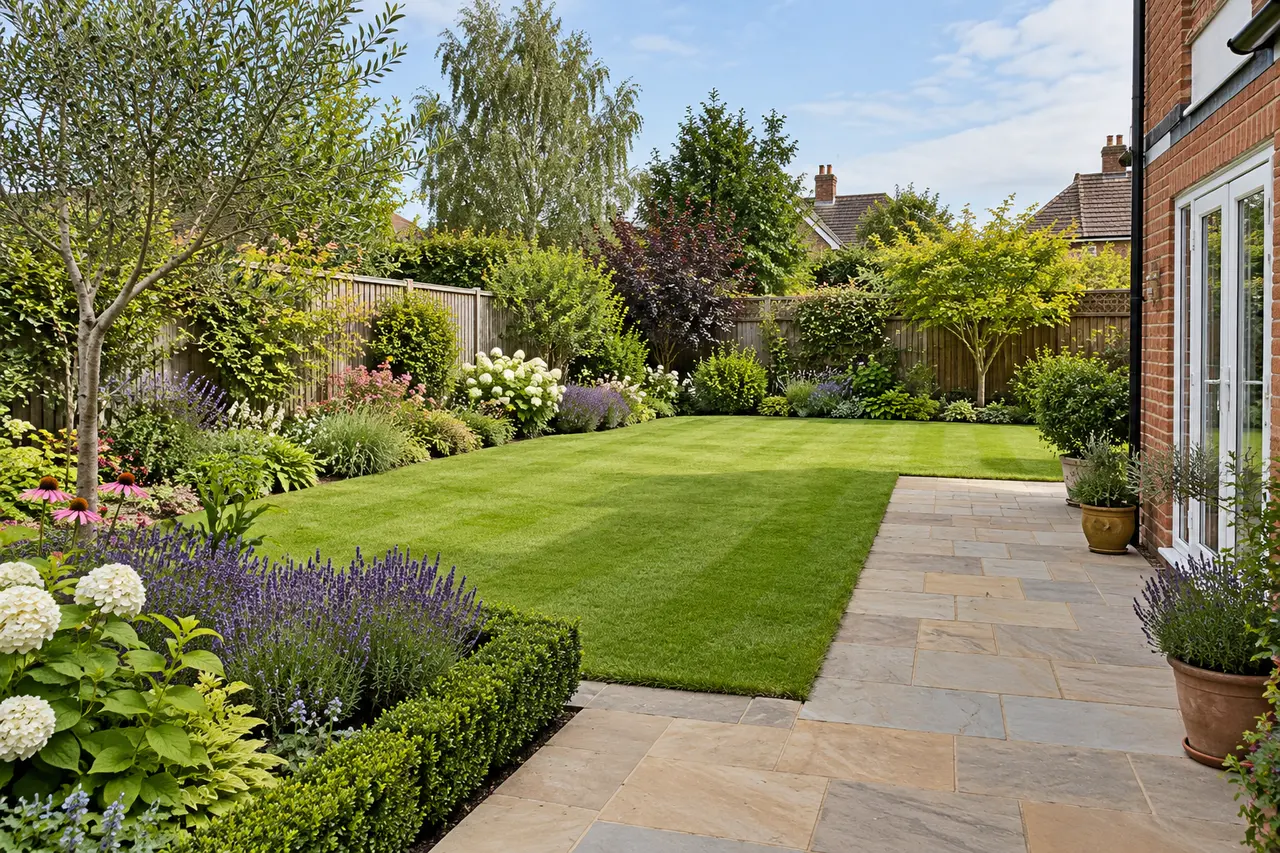
Our calculation follows the receiving lawn’s dimensions. We can measure a rectangle directly or divide an irregular outline into useful shapes and combine their areas. Beds, paving and other exclusions are deducted before the product rate is used. This gives the application a defined grass surface and measured quantity, with the receiving boundary clear as the spreading work proceeds.
The intended application limit is also established where one lawn meets another managed area. A flower-rich patch or recently prepared portion may not share the same treatment as ornamental turf. We keep those exclusions recognisable before equipment is loaded, so the measured figure corresponds to where this particular material will go, not every connected surface that happens to appear green.
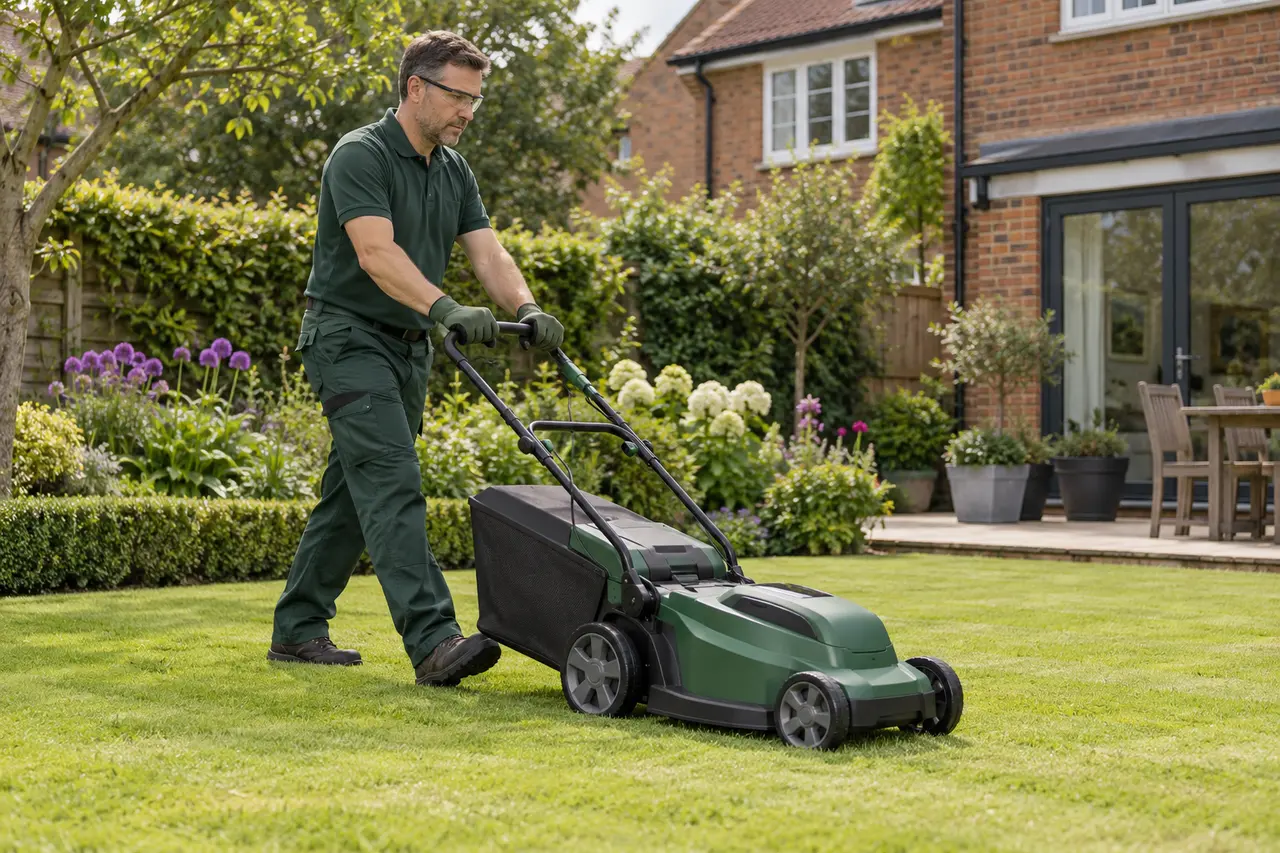
Appropriate lawn-care work is planned around the measured application. Cutting and feeding retain their suitable sequence and interval according to the product and turf condition. The selected receiving area and stated rate remain the quantity reference through those changes in leaf height, with preparation, application and later mowing kept understandable as stages of the same lawn-care arrangement.
The lawn before distribution
Loose material removed from the receiving grass
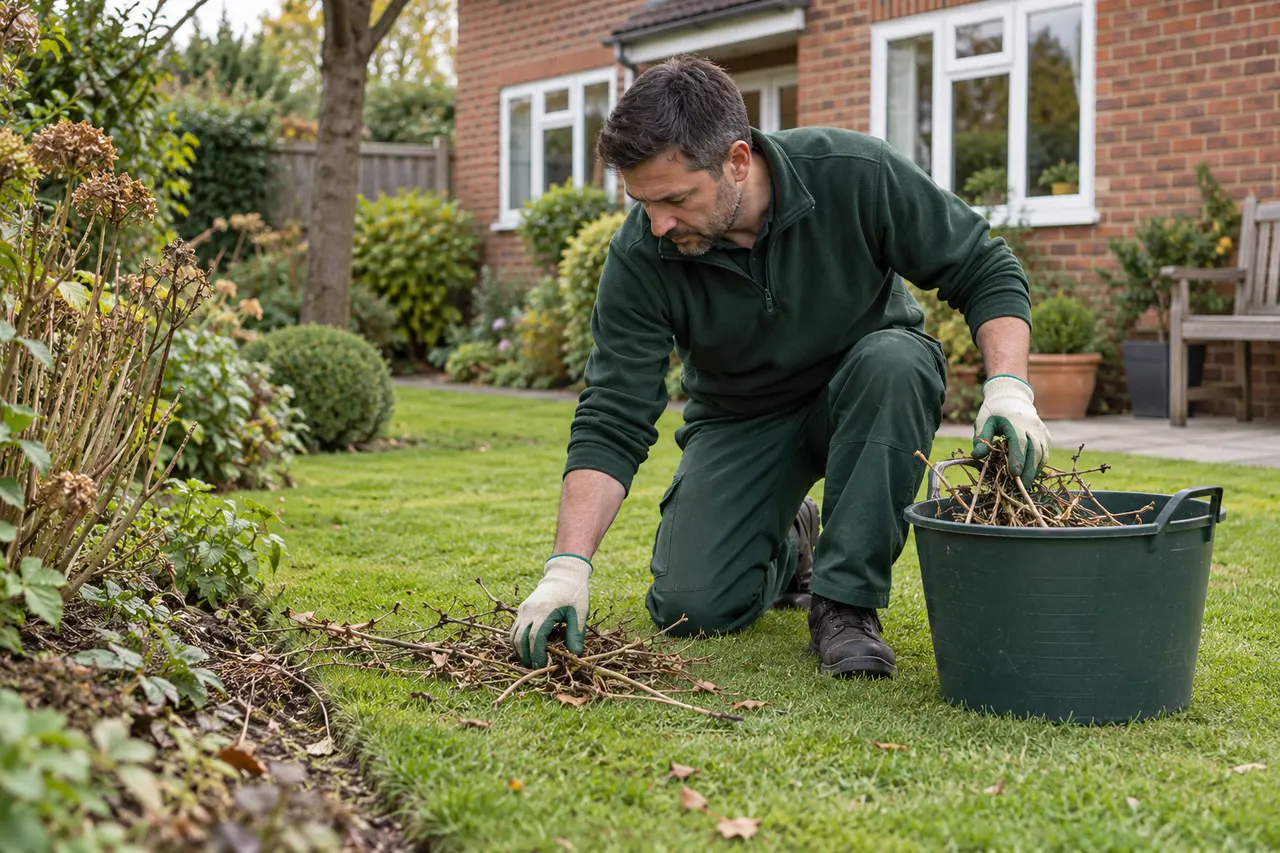
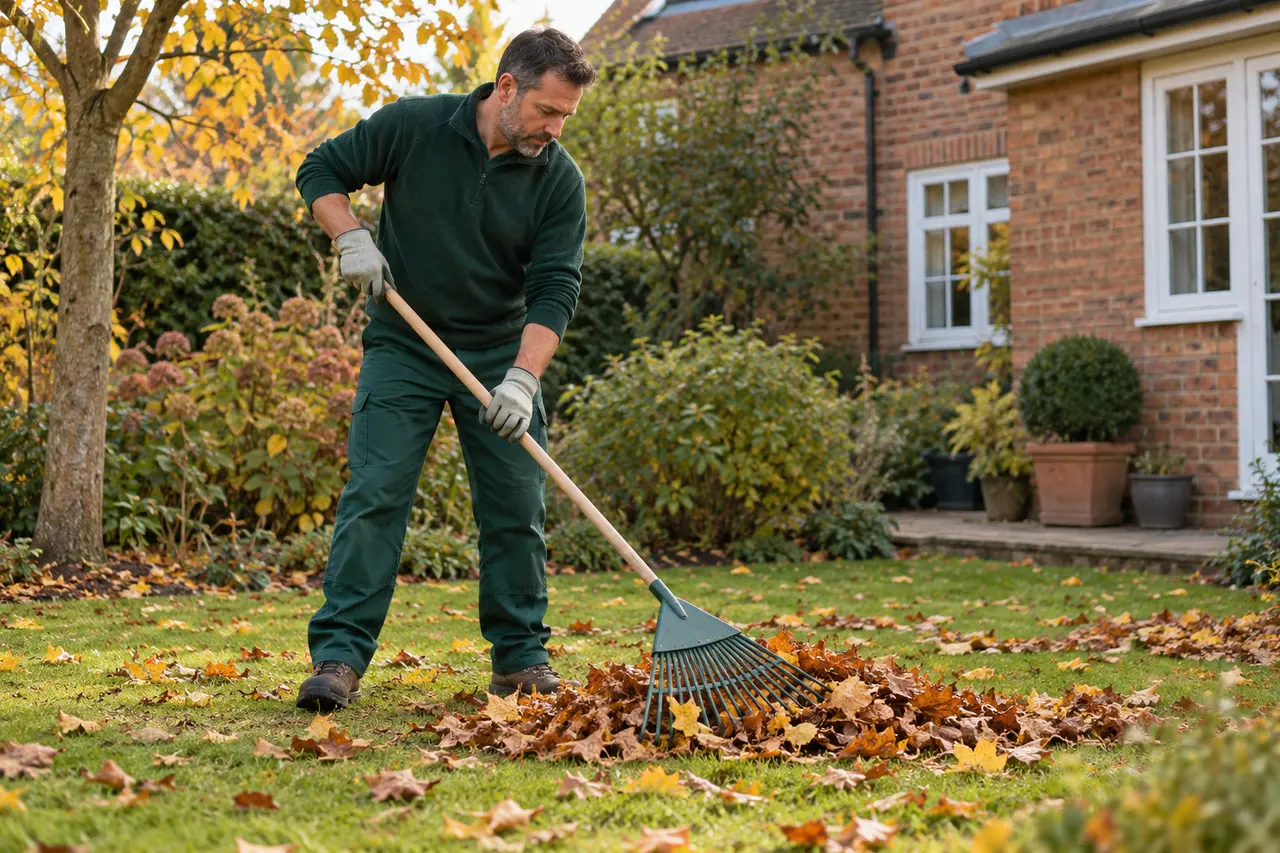
We gather the loose leaves, twigs and included unwanted material that would interfere with receiving the feed. Suitable collection exposes the grass while the product remains in its identified container. The application then follows that prepared surface, with the debris already gathered for its intended destination and the measured material available to reach the selected lawn through a controlled spreading pattern.
A combined garden clean-up identifies both the load being removed and its destination. We keep the feed in its identified container during that work, avoiding a mixed arrangement in which usable material and rubbish become difficult to tell apart. In particular, a partly filled fertiliser bag is not repurposed as an unmarked waste sack while the remaining product is still intended for application.
The outgoing garden material is arranged before feeding. Our collection provides a suitable working surface and keeps wanted plants and excluded grass portions recognisable along the edge. The prepared receiving area then has its own clear boundary for the application, while the gathered load is positioned for its appropriate handling outside the spreading and subsequent aftercare movement.
Controlled distribution at the stated rate
Material tracked through the spreading pattern
We calculate the material from the selected area and stated product rate, then measure the amount for distribution. Our working pattern keeps track of grass already treated and portions still awaiting the application. This maintains the quantity reference through starts and successive passes, connecting the material used with the actual receiving surface until the selected area is complete.
Spreading equipment follows the identified formulation and maker’s guidance. Granule size and product characteristics inform the suitable setting, while starts, stops and turns are included in the working pattern. We track the completed portions as distribution progresses, keeping overlap and local quantities under review alongside the remainder still to receive its measured application.
Neighbouring beds and hard surfaces remain clear of a lawn-only application. If material spills, we handle it according to the product information and retain the intended rate for the receiving grass. The affected position is identified before continuing distribution, keeping the measured product and surrounding surface care connected through the actual amount placed in each part of the selected area.
- The exact product and legible instructions remain with our application information.
- Our measurement covers only the grass selected to receive that treatment.
- The material quantity follows that area and the identified product rate.
- Planting and hard surfaces remain outside the intended spreading pattern.
- The completed application record retains its relevant aftercare requirements.
Cutting beside the receiving lawn
Boundary fragments collected before the application
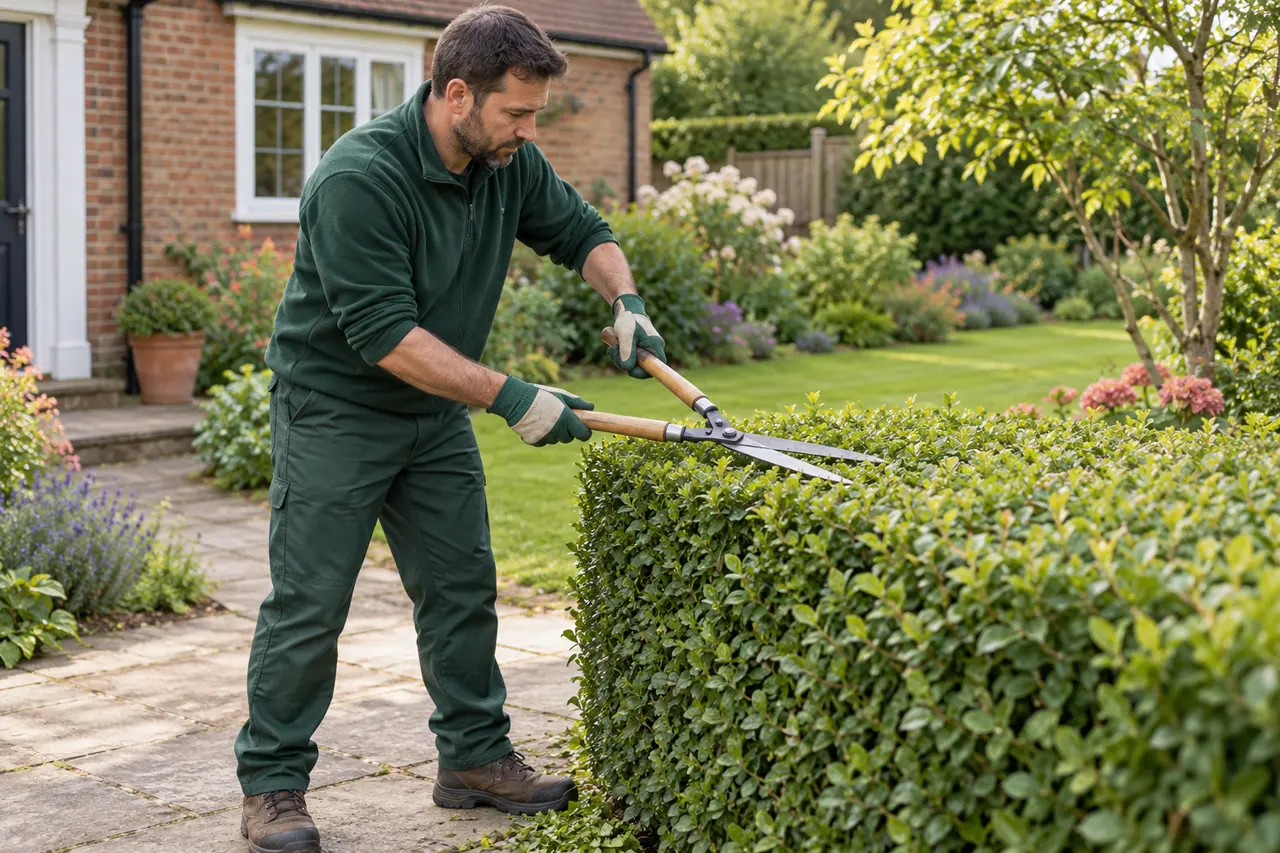
Where suitable hedge work shares the visit, our sequence accounts for its fragments before the measured feed goes down. Cutting and gathering can be completed while material can still be moved without crossing a freshly treated area. We keep the feed apart from the hedge tools and collection equipment, reducing confusion between the distributed product and the green load produced by the earlier task.
The hedge receives the suitable cut for its species, current growth and condition. Our preparation includes checks for nests being built or used, with disturbing work postponed where required. Its resulting fragments are gathered in the appropriate stage of the sequence, keeping the boundary’s own biological timing clear alongside the measured material application on the lawn beside it.
We distinguish the receiving grass at the margin from exposed soil and roots beneath the hedge. The measurement and spreading pattern follow that actual surface. Each selected lawn portion remains identifiable, including any excluded corner, so the feeding operation can be completed while the boundary planting keeps its separate position and suitable care requirements.
The application information after feeding
Aftercare connected to the product used
We record the material, treated area and date and retain its relevant instructions for continuing care. Product-specific watering, mowing intervals and use requirements stay associated with that information. The arrangement identifies responsibility between visits, giving the household the actual requirements of the completed application and a clear basis for its next stage alongside other garden work.
Our timing assessment follows the product instructions, grass condition and suitable actual weather. Any required watering remains part of that arrangement, and stressed turf or unsuitable conditions can lead to postponement. The scheduled operation is then connected to its receiving requirements, with the appropriate preparation and subsequent care clear for the selected material when application can proceed.
The application record informs later lawn and border upkeep and any later feeding decision. We relate the product already used and elapsed stage to the grass’s observed development, while identifying other possible reasons for weak growth where relevant. This retains a known treatment history for continuing care and keeps any further application tied to the actual lawn and its appropriate requirements.
Other services around a treated lawn
Soil specifications linked to the planting purpose
Our garden-design brief identifies imported soil for a proposed wildflower area in relation to its intended fertility. Richer material can favour vigorous grass over the desired flowers, so the receiving planting determines the suitable specification. That choice remains distinct from ornamental-lawn feeding elsewhere, giving each growing area the material suited to the actual display and long-term care purpose.
Tree consent requirements distinct from the household instruction
Our tree surgery planning identifies the actual tree and proposed operation alongside applicable statutory controls. The owner’s instruction remains connected to any Tree Preservation Order or conservation-area requirements and the relevant authority’s process. We keep those prerequisites explicit before the cutting stage is arranged, so the practical task and its necessary consents are clear within the proposal for that particular tree.
Spilled feed collected ahead of paving washing
Preparation for jet washing identifies loose feed spilled on paving before water is introduced. We gather suitable dry material according to its product instructions, keeping it out of uncontrolled runoff. The wash then follows the prepared surface with that load already addressed, linking the lawn application and exterior cleaning through their appropriate handling of the actual material found at the path.
Deposits beneath an existing leaf guard
Our gutter cleaning assessment accounts for the actual fitted guard and the material beneath or around it. Some products exclude larger leaves while allowing smaller particles into the channel. An absence of whole leaves on top is therefore not our measure of an empty run. The cleaning method follows the fitting, without an assumption that every cover must be removed or that all guards perform identically.
Collection arranged at the tree’s actual location
Our Christmas-tree collection arrangement records where the tree is actually waiting for removal. If it has moved since delivery, the collection location is established within the later booking so the route and receiving position refer to the current property. This keeps the practical handling connected to the actual outgoing item and the address relevant to its selected collection.
Measured feeding and its required materials
These general gardening guide rates cover time. State the lawn area, feed supply, preparation and aftercare in the quotation.
| Gardening time | Guide rate |
|---|---|
| First hour | £83 |
| Each subsequent hour | £65 |
GBP guide rates. Confirm materials, outgoing waste, VAT treatment and any applicable parking, congestion or access charges.
Questions about our measured lawn feeding
How is the receiving area measured?
We measure the grass selected for the identified product, accounting for beds, paths, shed bases and other excluded positions. Irregular areas can be divided into measurable parts and combined. That actual receiving surface is used with the stated rate, leaving the selected boundary and calculated quantity clear throughout preparation, distribution and the record retained afterwards.
Can a combined weed-control product replace a plain feed?
Our feeding arrangement identifies the product and its contents before application. A combined material with weed-control ingredients changes the purpose and requirements, so any such variation needs its own suitable treatment basis. The actual selected material remains clear in the proposal and preparation, with its instructions and receiving conditions followed for the task being carried out.
How do you handle unused measured material?
We follow product and equipment instructions for unused material, keeping it distinct from the quantity already applied. The finished area retains its intended rate, and the remaining supply has appropriate identified handling. This leaves both the treated lawn and the container’s contents understandable, with the application completed according to its actual measured grass area.
What information remains for later lawn care?
Product identification, treated area, date and aftercare information remain with the application record. We use that history alongside the grass’s later development when assessing the next useful care. A changed appearance is considered with the known treatment and receiving conditions, giving subsequent attention a factual starting point for the particular lawn portion involved.
Each application connected to a known treatment record
Our Bexleyheath gardening visit can use the retained product and treated-area information as the basis for continuing lawn attention. The next application is considered against that known history and actual growth, while the adjoining beds, hedge and collection tasks keep their separate place in the work.