

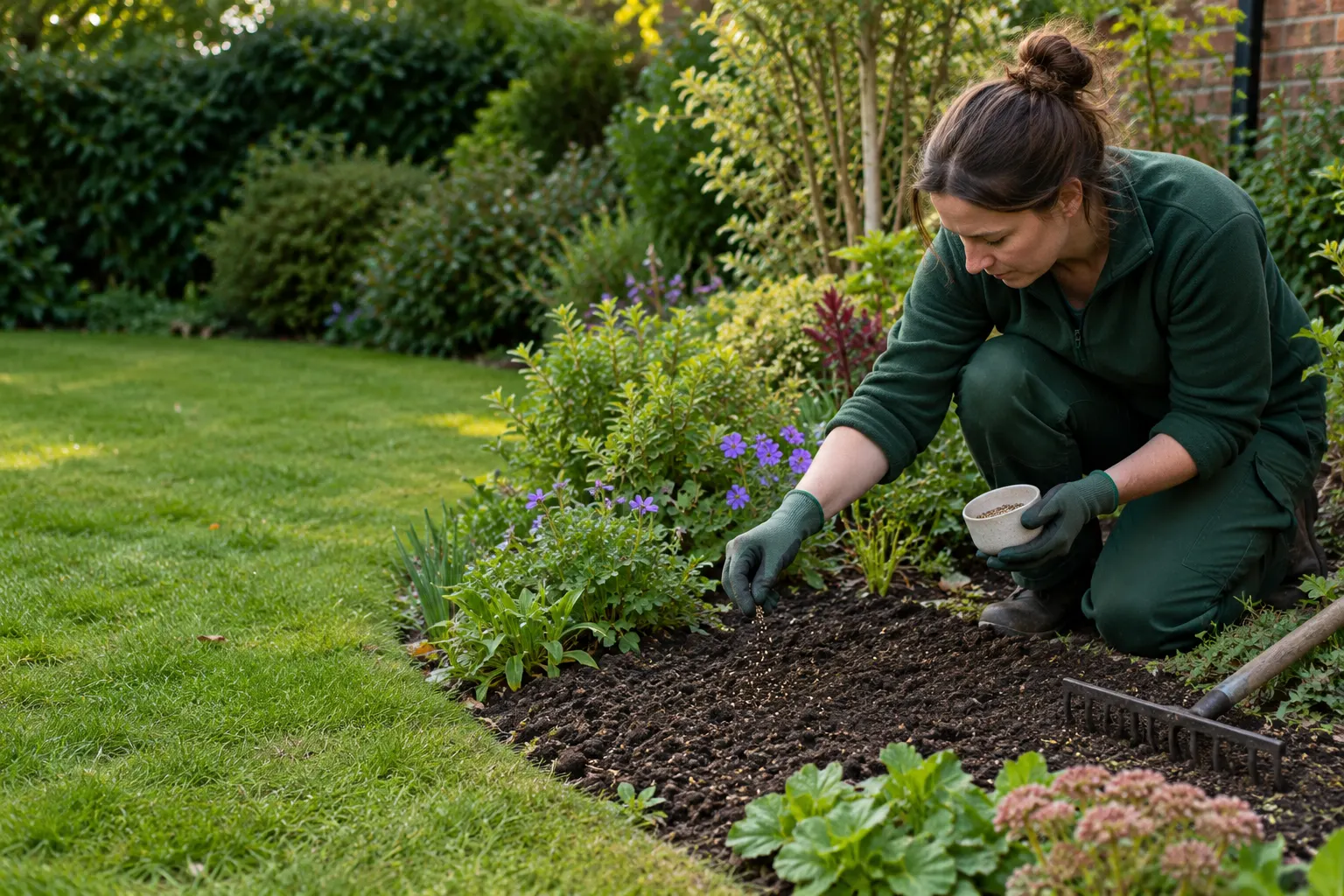
An expressly arranged sowing task within the planted garden
Gardeners Blackheath
We can prepare and directly sow an identified hardy-annual patch as a specified planting task, with materials and continuing care understood. Our sequence clears suitable ground, distributes the seed appropriately and keeps later watering and thinning connected to that position. Nearby mowing and hedge work stay outside the prepared surface.
- How do you water the newly sown area? We use a suitable fine rose and controlled application so moisture reaches the patch without shifting its seed distribution.
- How is crowded annual growth managed? Our selected sowing is kept thin, with later suitable thinning creating the spacing required by the actual plants.
Preparation and follow-up for direct outdoor sowing
What does your direct-sowing task involve?
We place identified hardy-annual seed in a prepared outdoor position, with germination and establishment taking place there. The selected material determines the suitable method and subsequent care. Our arrangement connects preparation, sowing, supplies, ongoing watering and later thinning, giving the patch a complete practical sequence from the receiving soil to the young plants developing within its marked area.
How do you prevent overcrowding during establishment?
Our distribution follows the selected seed’s instructions and the intended prepared area. Thin sowing provides the starting pattern, with suitable later thinning creating the room needed as the actual plants develop. We keep those stages connected through the sowing record and packet information, accounting for the space, light and resources the seedlings require while the chosen annual display establishes in that position.
The receiving patch within an occupied bed
Seedbed preparation around retained planting
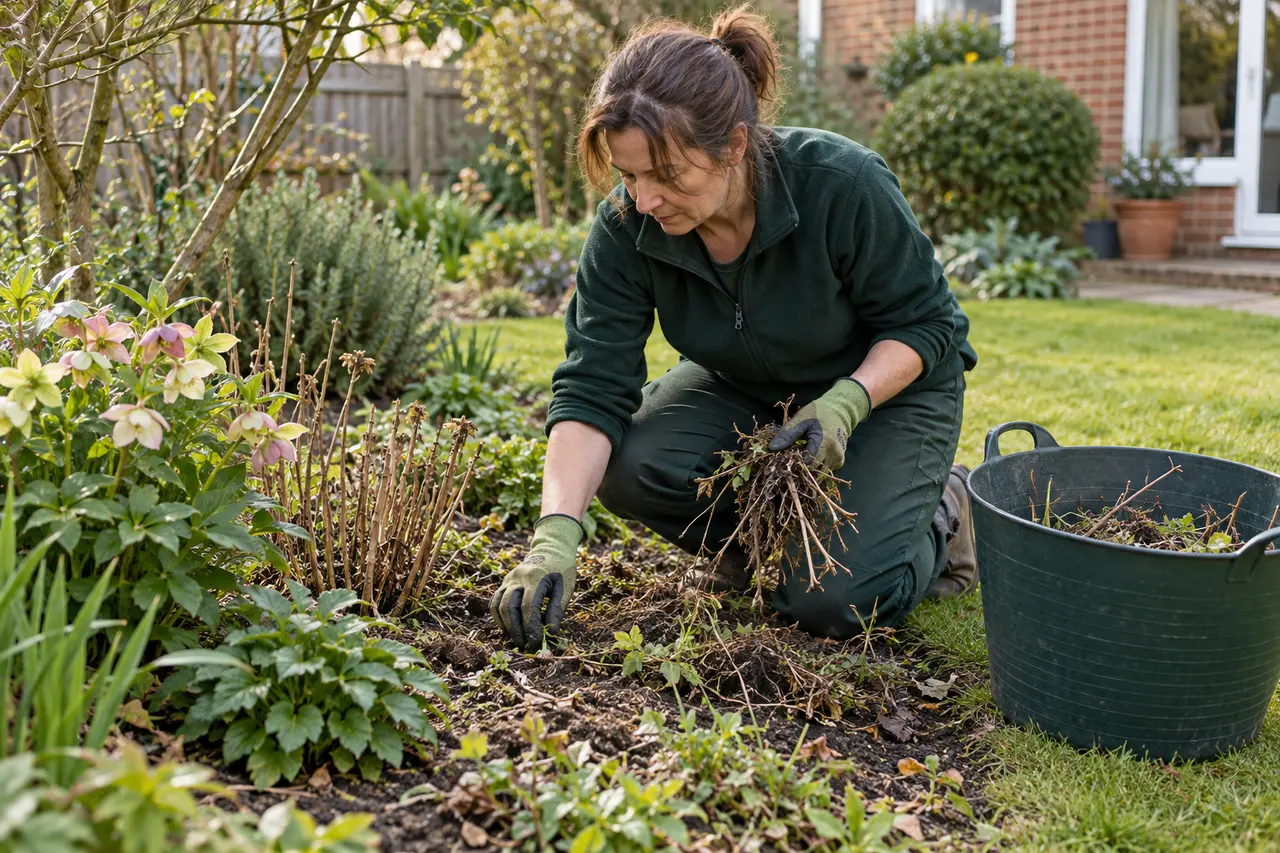
We establish the receiving area and the plants retained beside it before opening the soil. Accessible unwanted growth is removed within the task, with detached material gathered before the final preparation. Retained seedlings, dormant planting and shrubs remain distinguishable around the working boundary, giving the tools a defined patch and preserving the known occupied parts of the surrounding bed.
The ground is worked when its condition permits a suitable crumbly receiving surface. We assess the soil’s response beneath the tool, break appropriate clods and gather larger stones or debris interfering with the chosen sowing. The resulting tilth follows the identified seed and position, with the surface available for its selected drill or distribution method and the retained border plants visible around it.
A related garden clean-up can gather unwanted growth from preparation, with the removed-material arrangement arranged before sowing. Suitable bed soil remains separate from the outgoing load. We complete carrying and container movement while that access is available, then leave the final receiving patch clear for seed placement. This connects the material-handling stage with the practical soil finish required for the identified planting task.
The selected seed and distribution method
An identifiable sowing within a defined area
Our garden-maintenance planting task identifies the hardy annuals, seed material and supply arrangement. The packet stays associated with the operation and its relevant sowing and aftercare information. We follow that identification when selecting the method, keeping different kinds distinguishable where their requirements vary. The resulting distribution is then connected to the actual material used and the display intended for the prepared area.
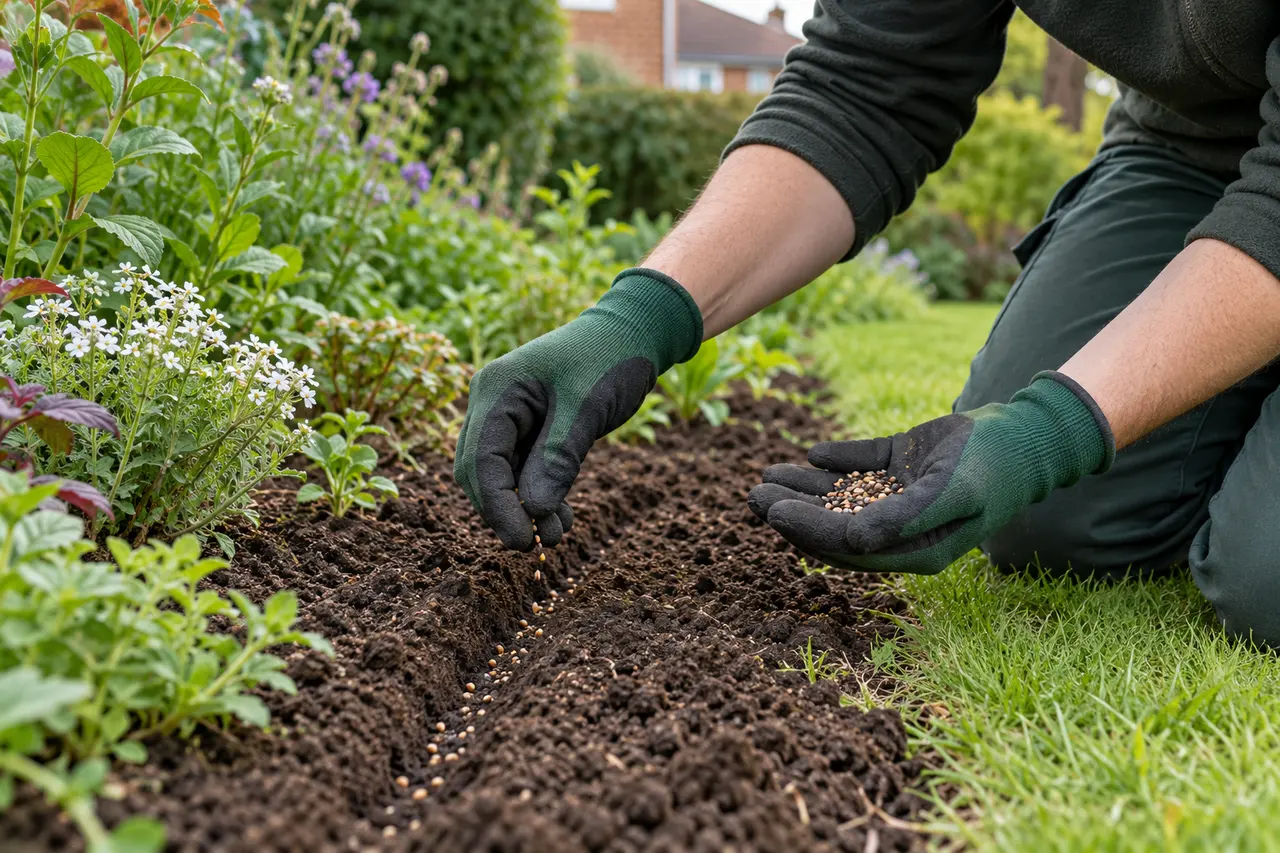
We establish whether the intended arrangement is a shallow drill or broadcast distribution over a defined patch. Depth, covering and initial spacing then follow the selected seed. A row can be easier to recognise later, while a broadcast area requires its own clear boundary. The visible groove is a guide for that chosen material, not a standard depth copied from one packet to every other sowing.
During distribution, we track the portion already covered and the receiving surface still awaiting seed. Suitable covering and gentle firming follow the actual material requirements, with the position marked once the chosen pattern is complete. Its retained packet connects the material below ground with the young plants appearing later, providing useful identification for subsequent watering, selective weeding and the appropriate spacing work as they develop.
- Our preparation has a defined limit beside the plants remaining in the bed.
- Each seed packet stays identifiable with its own relevant instructions.
- The selected seed is distributed thinly within its planned drill or area.
- Controlled watering through a fine rose preserves the seed’s position.
- Suitable thinning follows the spacing required by the developing annuals.
Moisture after seed placement
Gentle watering that preserves the prepared surface
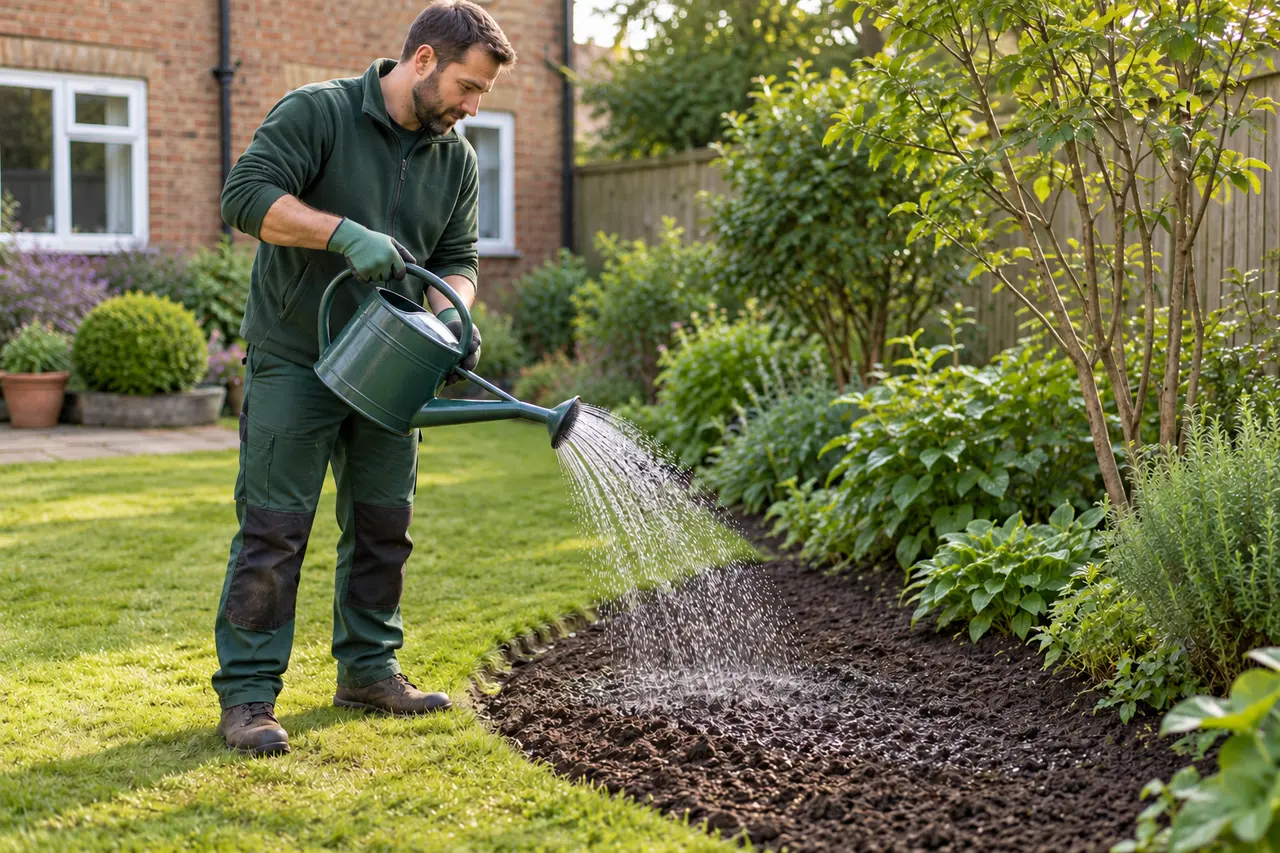
We use a suitable fine watering rose to settle moisture gently across the selected patch. The application is controlled at the margin and centre, with the seed and prepared surface kept in position. Watching the receiving effect as the work progresses allows the distribution to remain understandable after watering, including where the chosen method uses a marked drill beside retained planting.
Continued moisture attention follows the selected plants, germination stage and actual weather. Our arrangement identifies who carries that care between visits, with the marked area and appropriate instructions available. The receiving seedbed retains its own needs alongside established shrub planting nearby, connecting the initial application with the further observations and suitable watering required through the young plants’ establishment.
Our watering through establishment follows observations of the receiving soil and seedbed. If surface material moves, the application is adjusted to preserve its position; standing water also informs the suitable next attention. We keep appropriate moisture and a stable sowing surface connected through those checks, giving the first roots a receiving area whose care follows the actual conditions as germination and establishment progress.
Established turf beside the sowing
A lawn cut with the seedbed kept outside its route
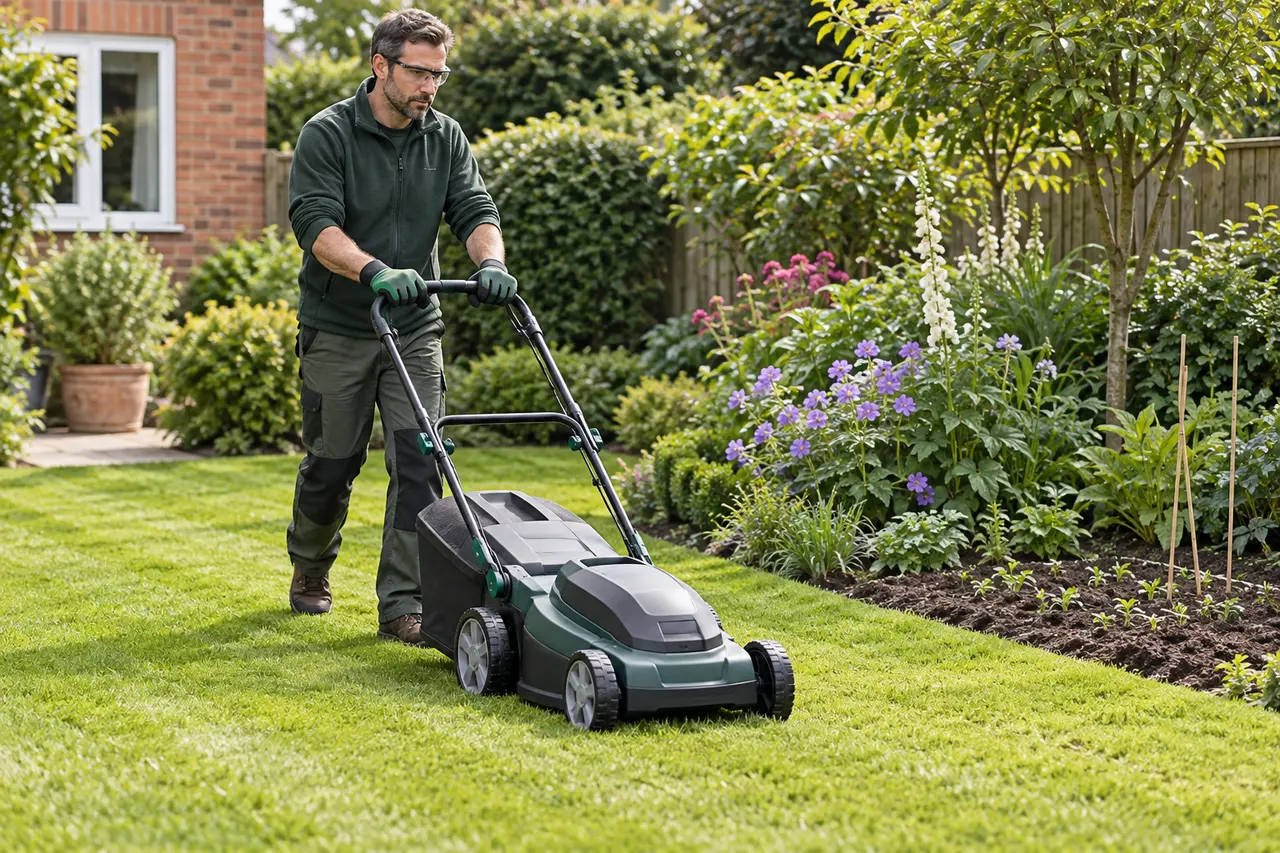
Our lawn mowing retains a clear boundary around the new sowing. We keep wheels, turns and repeated standing positions on suitable established ground beside it, with the prepared soil understood as occupied by the seed below. This gives the grass its practical route and leaves the marked patch available for its own watering and observation as the first growth begins to appear.
The collection or discharge arrangement keeps loose grass away from the marked area. A clipping layer could obscure rows and change the prepared surface, so accessible fragments at the margin are gathered carefully without drawing a stiff lawn rake through the sowing. The completed lawn has a readable relationship with the new planting, and each side of that edge retains its own suitable treatment.
Higher cutting before final soil preparation
Hedge material collected clear of the sowing area
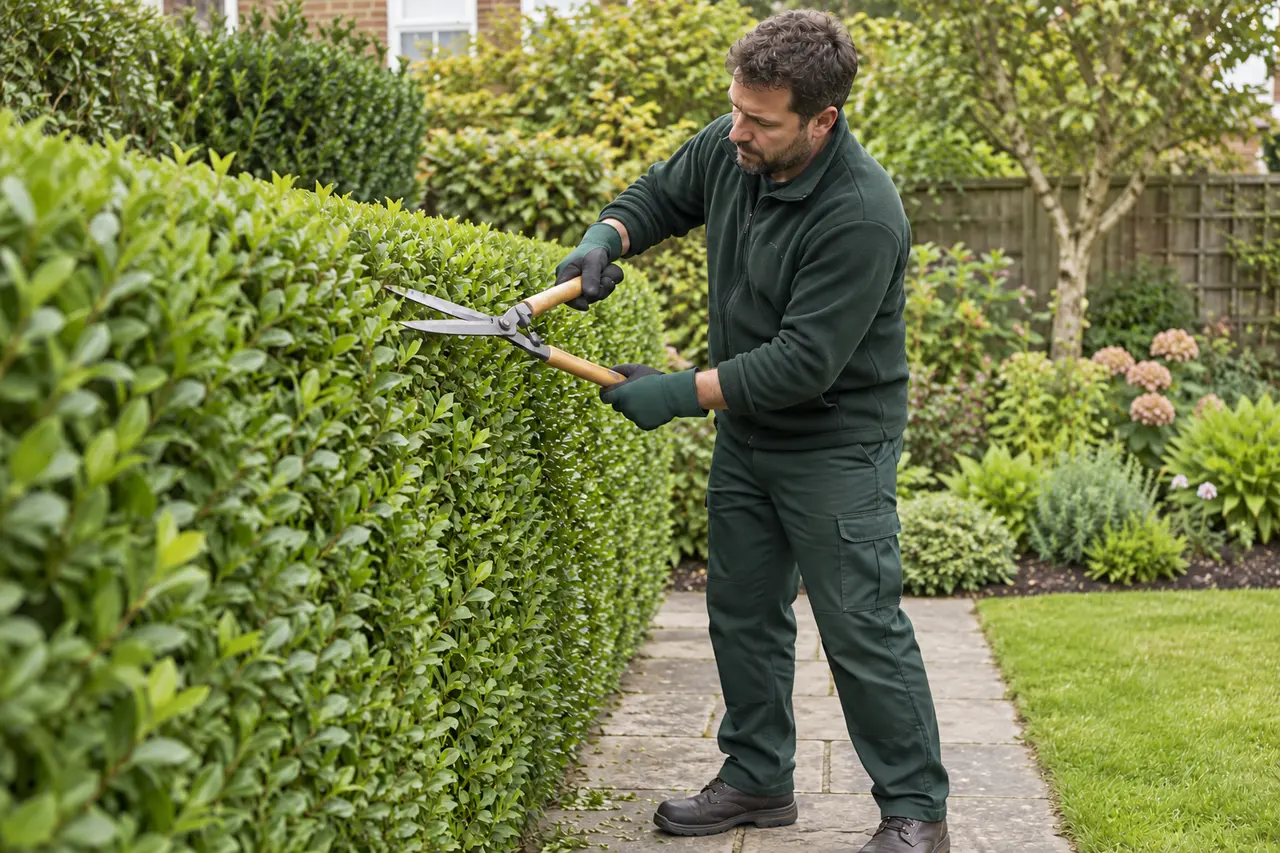
Where appropriate hedge work shares the visit, our sequence can complete cutting and collection before the seedbed’s final finish. A suitable receiving point and carrying route account for the fragments and last load while the arrangement remains adjustable. The planting area can then receive its final preparation and selected seed, with the larger material movements already completed clear of that occupied surface.
The hedge’s cut follows its own species, growth and condition, with suitable supported footing and controlled reach. Nest checks cover the affected vegetation and disturbing work is postponed where nests are being built or used. Those requirements remain part of the sequence independently of the sowing date. A different position or order is established before seed placement where the two tasks would otherwise conflict.
Our final soil preparation gathers accessible small hedge fragments before seed is placed. Woody ends are identified and lifted from the receiving patch while its surface remains clearly visible from the edge. The chosen planting method then follows a prepared area with its relevant materials and records available, leaving the sowing stage connected to a completed collection and the retained plants around it.
The developing annual plants
Selected thinning with retained seedlings left seated
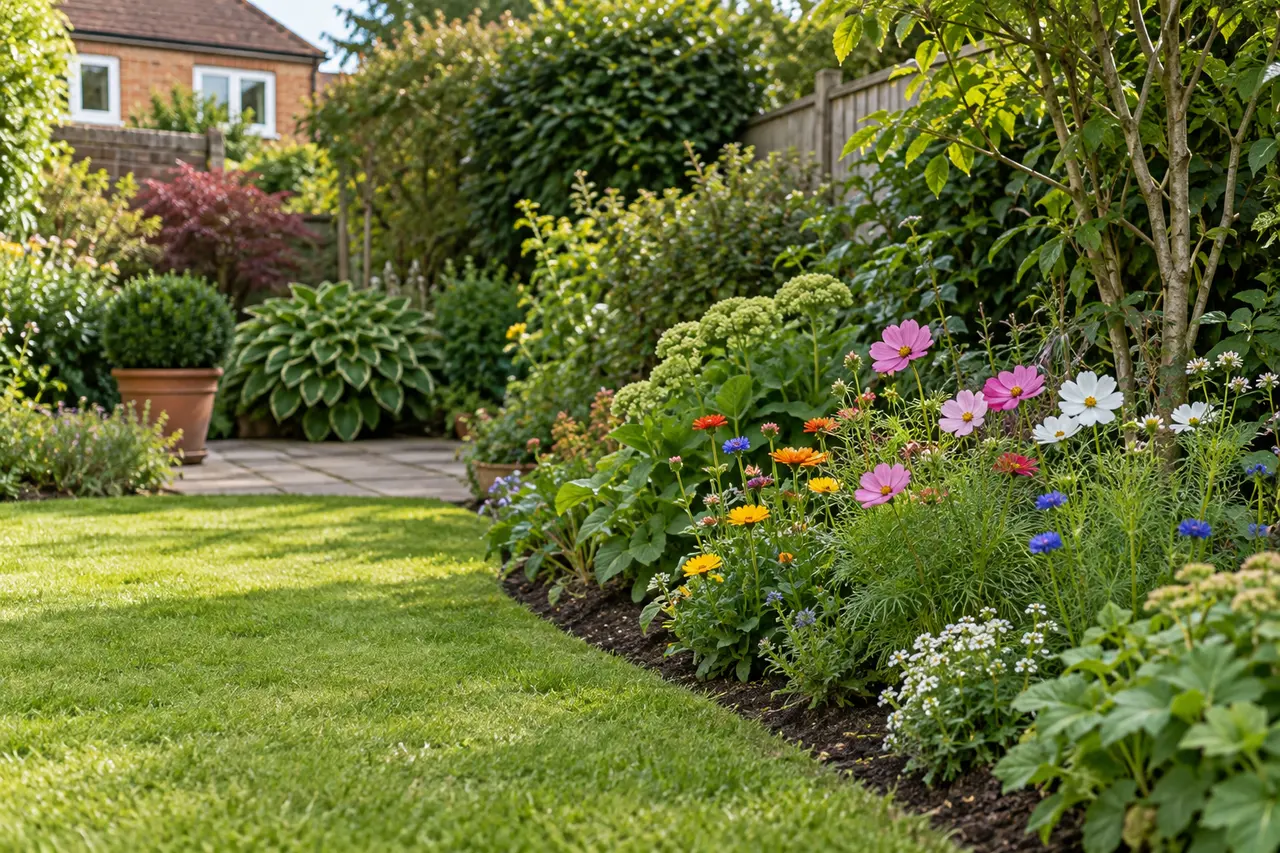
We use the marked position and packet information to identify the emerging annuals. Young seed leaves can look different from the mature flowers shown, so our hand view follows the actual plant stage before selection. Intended seedlings and other growth remain distinguishable within the patch, giving later appropriate thinning a clear basis among the young plants occupying the original prepared area.
Where suitable thinning is included, we create the spacing required by the selected annuals. Small accessible portions are worked with the retained roots kept seated, separating the chosen neighbours carefully through the receiving soil. This gives the developing plants useful room while preserving their established positions, with the actual species and growth guiding the finish across the marked sowing area.
After thinning, we review the disturbed surface and suitable care for the stage reached. The seed information remains associated with the patch as plants become larger, supporting their identification during later selective weeding and moisture attention. The original position, material and observed emergence therefore stay connected, giving the next gardening operation a practical starting point within the developing display.
Further services around the chosen planting
Plant selection informed by the receiving soil
Our planting-design brief can use reliable acidity or alkalinity information for the actual receiving soil before acid-loving plants are selected. A suitable existing result, or the required check, remains linked to the position it represents. We relate the chosen camellia, rhododendron or other planting to those requirements alongside its visual contribution, giving the proposal a factual basis for the intended bed and its subsequent care.
Tip-bearing apple growth retained through selective work
A tree-pruning proposal for an identified tip-bearing or partial-tip-bearing apple retains the terminals relevant to its fruit-bud habit. We distinguish those ends from other growth and use suitable selective branch attention where crowding needs addressing. This keeps the intended bearing structure visible in the proposal, with the actual tree determining the method and the retained shoots remaining identifiable through the practical work.
Equipment prepared for cold-storage conditions
Before jet washing, equipment and components are prepared according to the maker’s readiness and frost-protection requirements. Water retained internally can freeze during cold storage, so the actual unit’s condition remains part of that preparation. The working arrangement connects the machine and its supply path with the suitable operation on the receiving paving, keeping the relevant instructions available before use.
A separate method for known asbestos-containing goods
A gutter-cleaning plan involving known asbestos-containing rainwater goods requires an appropriate competent approach to contact and deposit handling together. Disturbance can release fibres, so the known component remains explicit before the method is chosen. Appearance alone is not a reliable identification. Any asbestos assessment or removal has its own separate requirement, keeping the booked channel task within the appropriate arrangement for the actual material present.
Care information at a gifted tree’s handover
For a gifted Christmas tree, our handover can keep the actual format and relevant water-care information available to the recipient. That information accompanies the delivered item or reaches the responsible person from the start. The purchaser and receiving address remain connected to the same identified tree, giving its ongoing care a useful factual basis where the person managing it differs from the person who placed the order.
Include the expressly agreed sowing and follow-up work
These general gardening guide rates provide the time-based basis for specified preparation, sowing and other included tasks. The complete proposal identifies the actual seed, supplied materials and continuing care for that particular planting operation.
| Gardening time | Guide rate |
|---|---|
| First hour | £83 |
| Each subsequent hour | £65 |
GBP guide rates. Confirm supplies, outgoing material, VAT treatment and any applicable parking, congestion or access charges in the quotation.
Questions about our direct-sowing planting task
How do you distinguish hardy from half-hardy sowing?
Our sowing method follows the identified plant’s actual temperature and germination requirements. Hardy, half-hardy and tender annuals retain those different needs within the material selection and task arrangement. The outdoor operation therefore uses the appropriate instructions for the seed being placed, with its frost tolerance and receiving conditions understood alongside the annual life cycle and the intended display.
How is seed-covering depth established?
We follow the relevant packet or appropriate guidance for the chosen seed, including depth and any light requirement for germination. Different kinds remain distinguishable where those instructions vary. The prepared area can then receive its suitable covering in the appropriate portions, with the distribution and retained identification giving later observations a clear reference as the selected seedlings emerge.
What happens to unused seed after the work?
Unused seed is kept dry and identified with the packet information retained for the household. Its suitable storage follows the actual kind and conditions, with the opened supply kept clear of damp ground and collected cuttings. The remaining material can then be recognised for a later appropriate use, while its expected storage life stays associated with that particular seed and how it is held.
How is uneven emergence handled in later care?
Our follow-up observes emergence against the marked area, selected material and retained information. Different conditions and seed can produce growth at different stages, so the actual plants guide the next useful attention. The sowing history remains visible alongside quieter portions of the receiving surface, allowing suitable ongoing care while the patch continues through its establishment period.
The original sowing connected to the next growth stage
Our Blackheath gardening visit connects the identified seed with its prepared position and developing plants. The retained record guides suitable thinning and continued attention as the display grows, while the surrounding established lawn and hedge retain their separate operations. This gives the sowing a recognisable place within the wider garden-care sequence through its successive stages.