

Lower Edmonton · Selective maintenance for self-sown planting
Gardeners Lower Edmonton
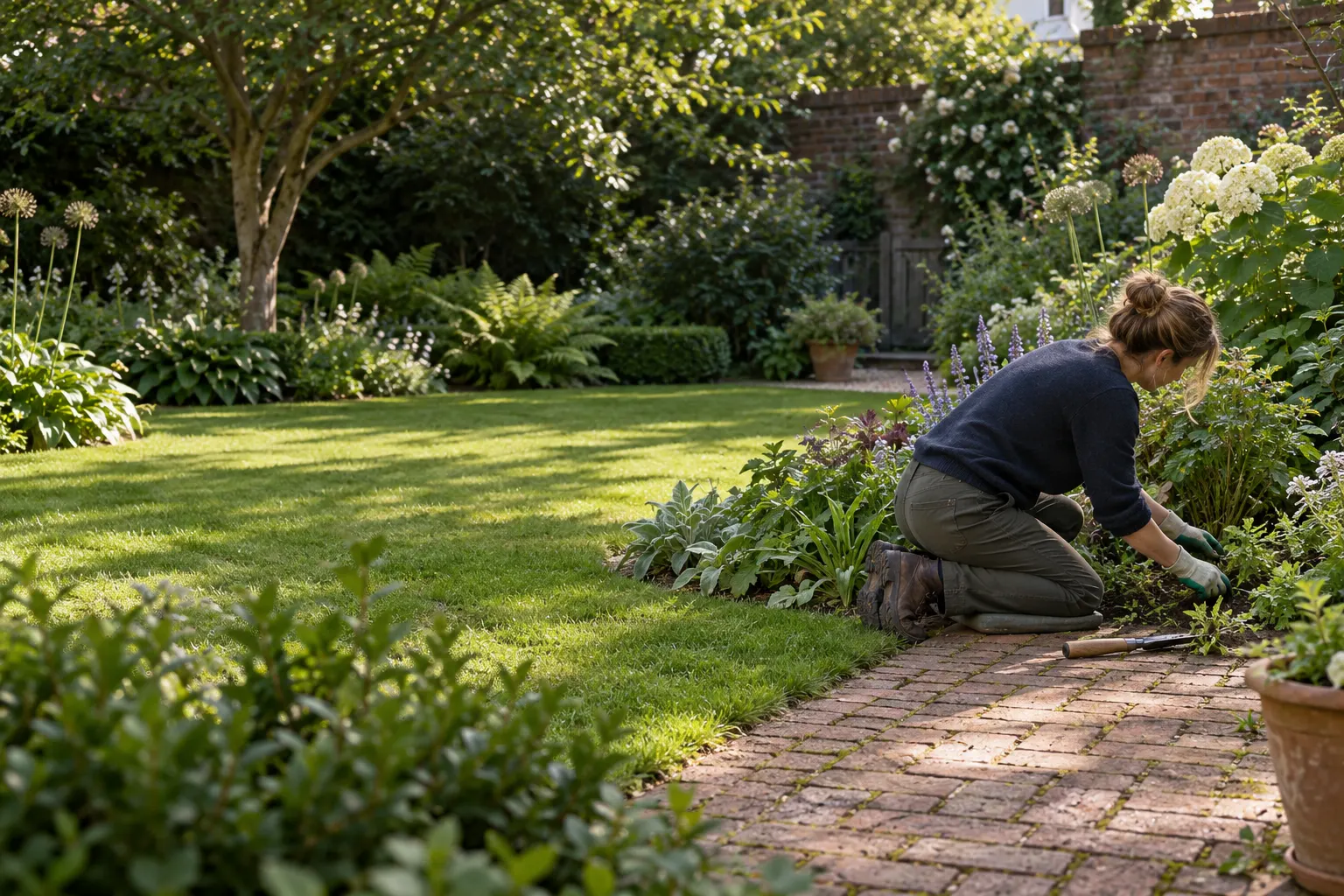
Our gardeners can keep identified self-sown plants while weeding and thinning the growth around them. We distinguish useful young arrivals from crowded or unwanted plants, then coordinate their space with lawn cutting, hedge work and seasonal collection. The finished bed remains manageable without clearing every seedling from its soil.
- How do you weed around uncertain seedlings? We work on identified unwanted growth individually, keeping uncertain plants recognisable for a clearer decision instead of scraping the whole patch.
- How is selected young planting kept visible? A clear marker or position record follows the retained seedlings through mowing, collection and subsequent bed work.
Selective weeding with the young planting identified
Can your gardeners retain self-sown plants during maintenance?
We can distinguish wanted seedlings from unwanted growth and maintain an appropriate selection within the available space. Selective weeding, thinning and ordinary bed care then work around those plants alongside the lawn and hedge tasks. The proposal follows the young plants actually present, without promising that every retained arrival will become a successful mature specimen or occupy the same space indefinitely.
How do you choose a manageable group of seedlings?
Our gardeners consider crowding, nearby access and the plants’ future habit before selecting the group to keep. Surplus growth is then worked out individually. Uncertain plants remain recognisable for later consideration, giving the bed a manageable arrangement while identification continues. The selection keeps useful arrivals in an appropriate growing space, with their role understood alongside existing plants.
Identifying young growth
Early leaves considered with the surrounding planting
The gardener looks at the young plant as a whole and the existing planting before selecting removal. First leaves may differ from the foliage that develops later. Knowledge of previous flowering can help, but position beneath a parent alone does not prove identity. Seed can reach other parts of the garden through wind, animals and ordinary activity. We therefore distinguish a known plant from one still requiring a clearer view.
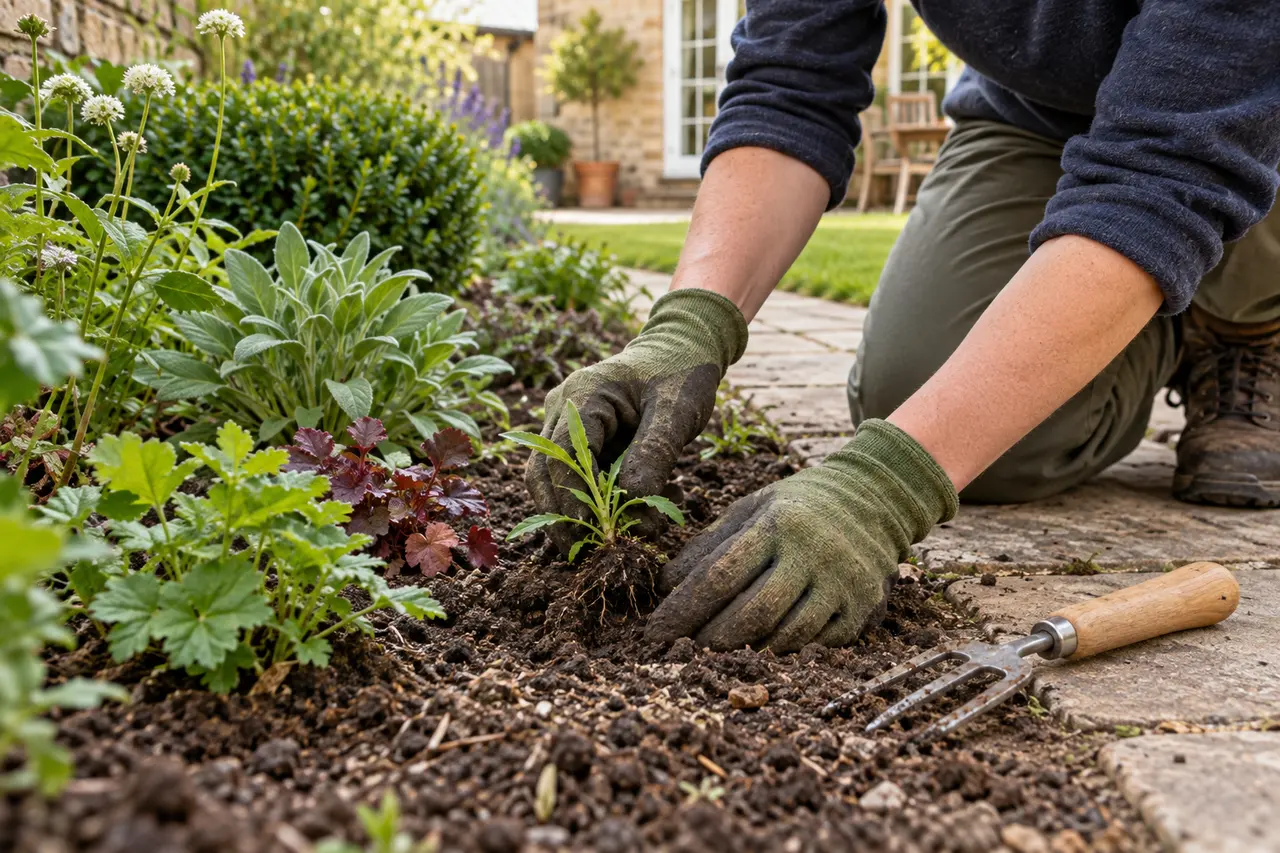
Accessible weeds are worked individually, with roots loosened by a small hand tool while chosen seedlings remain seated. A broad scrape through apparently open soil could remove both. The actual working area follows the plants already identified, not simply the largest bare-looking patch. Collected weeds are lifted from that space as work progresses, keeping the next operation visible around the small plants being maintained.
Our garden-maintenance visit records selected plants within the larger task list. A discreet marker or clear position account can identify small seedlings before the next operation reaches them. This carries the choice into mowing, weeding and collection, giving later gardeners an understood group to preserve. The whole visit can then follow the same selection as plants develop beyond their first leaves.
- We identify chosen seedlings before broad soil work starts.
- Unwanted plants are traced individually before being lifted.
- The selected group follows the growing space available.
- Seed-bearing waste is collected without shaking it over worked soil.
- The mowing line stays outside the young planting.
Thinning within the available space
Useful plants selected before surplus growth is removed
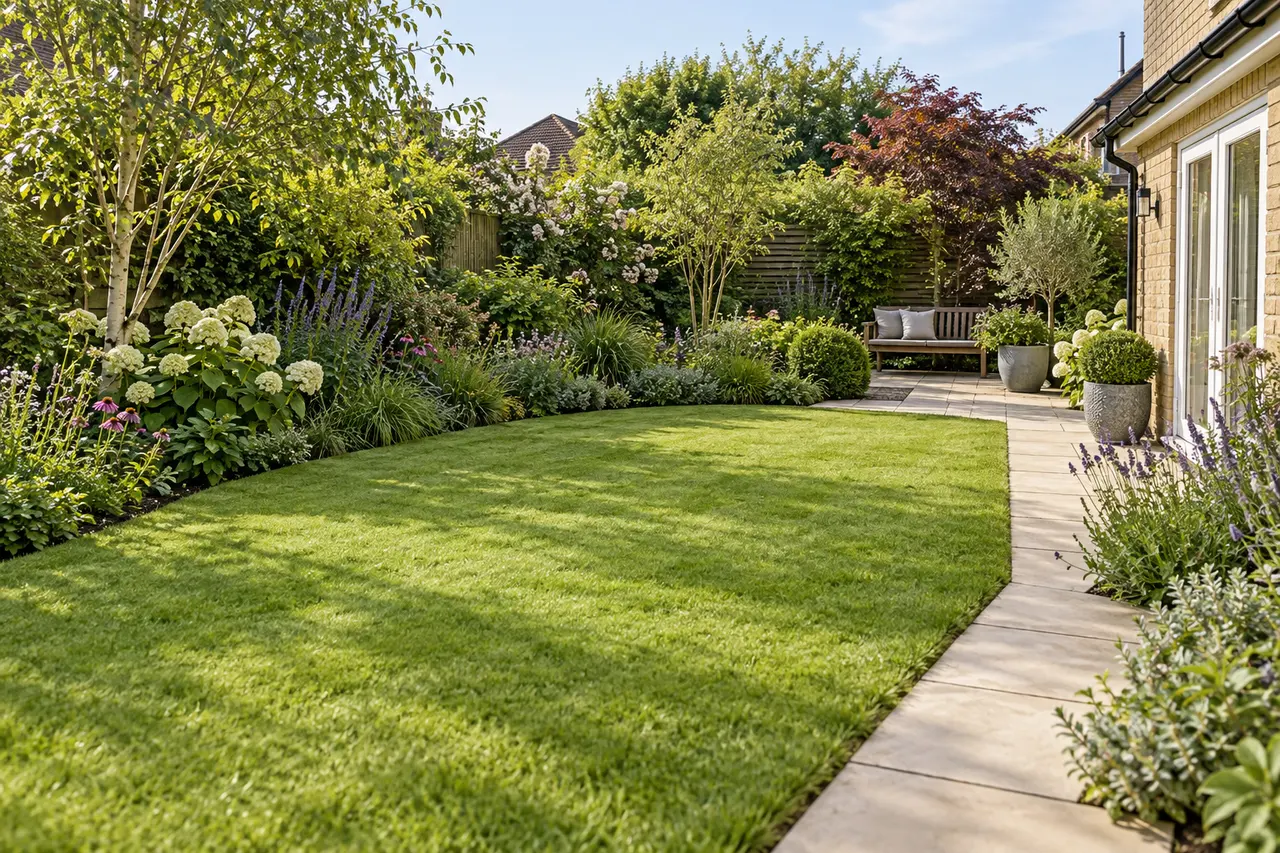
We select a manageable group for the actual space, considering future habit and existing neighbours. Surplus seedlings are loosened while those chosen remain stable. This creates growing room within the bed for the useful young plants and their continuing care. The quantity follows that arrangement and the plant involved, preserving a deliberate selection through the next maintenance stage.
The gardener selects what stays before removing surplus growth, using a position that keeps small roots stable. An entangled useful plant receives its own handling decision. Any commissioned move includes a prepared destination and aftercare, distinct from discarding weeds. This gives wanted material its next position before exposure, keeping the close sequence manageable within the wider visit.
We recognise that some seed-grown plants vary from the parent. A newcomer is not described as a guaranteed copy of a named variety, nor removed merely because early foliage differs slightly. Selection can follow the actual plant as it develops, while the surrounding bed remains under control. This gives young growth an informed place within maintenance without promising that its future flowers will meet a precise cultivar specification.
The lawn boundary beside seedlings
Grass cutting keeps the selected plants outside the pass
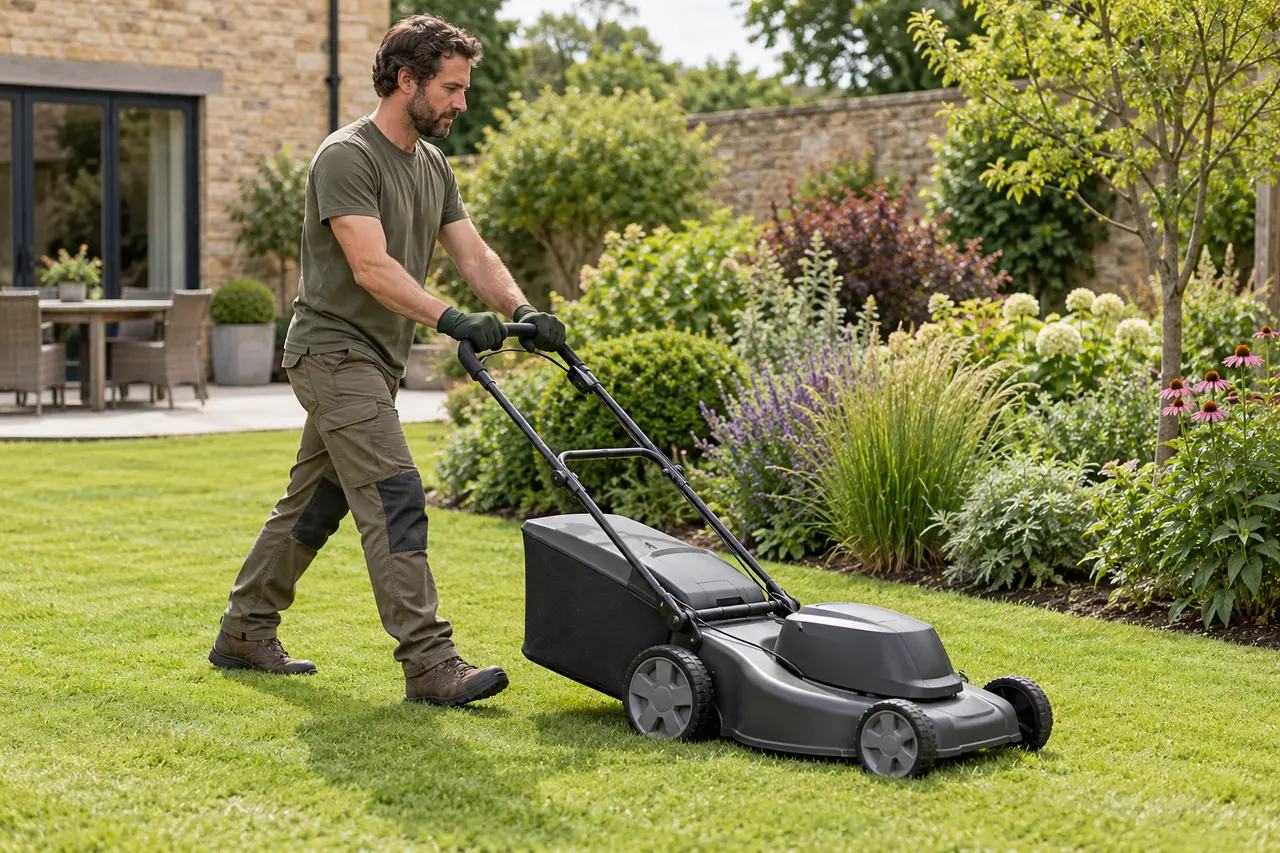
We establish the soil edge before mowing where small plants can be hidden among nearby grass. The mower follows the lawn with turning space away from those seedlings. A plant deliberately kept during hand weeding remains outside the later machine’s movement. This gives the boundary a consistent working line even when the two operations use tools of very different widths.
Our lawn care begins with loose-object collection and a cut selected for the grass condition. Growth crossing the bed line is identified before finishing there. Close hand work can maintain a narrow junction where a broad machine cannot preserve its intended boundary. The mowing route does not progressively widen into planted ground at each return, keeping the chosen seedlings connected to the bed in which they were selected.
We gather loose grass from the worked surfaces with markers and low seedlings visible. Tubs stay outside the planted area and accessible fragments are lifted around young leaves. This completes the lawn operation beside the selection already made in the bed. Later care can follow the same boundary with its plant choices intact and its surface clear.
Clearance before plant selection
Loose material lifted to expose the growing surface
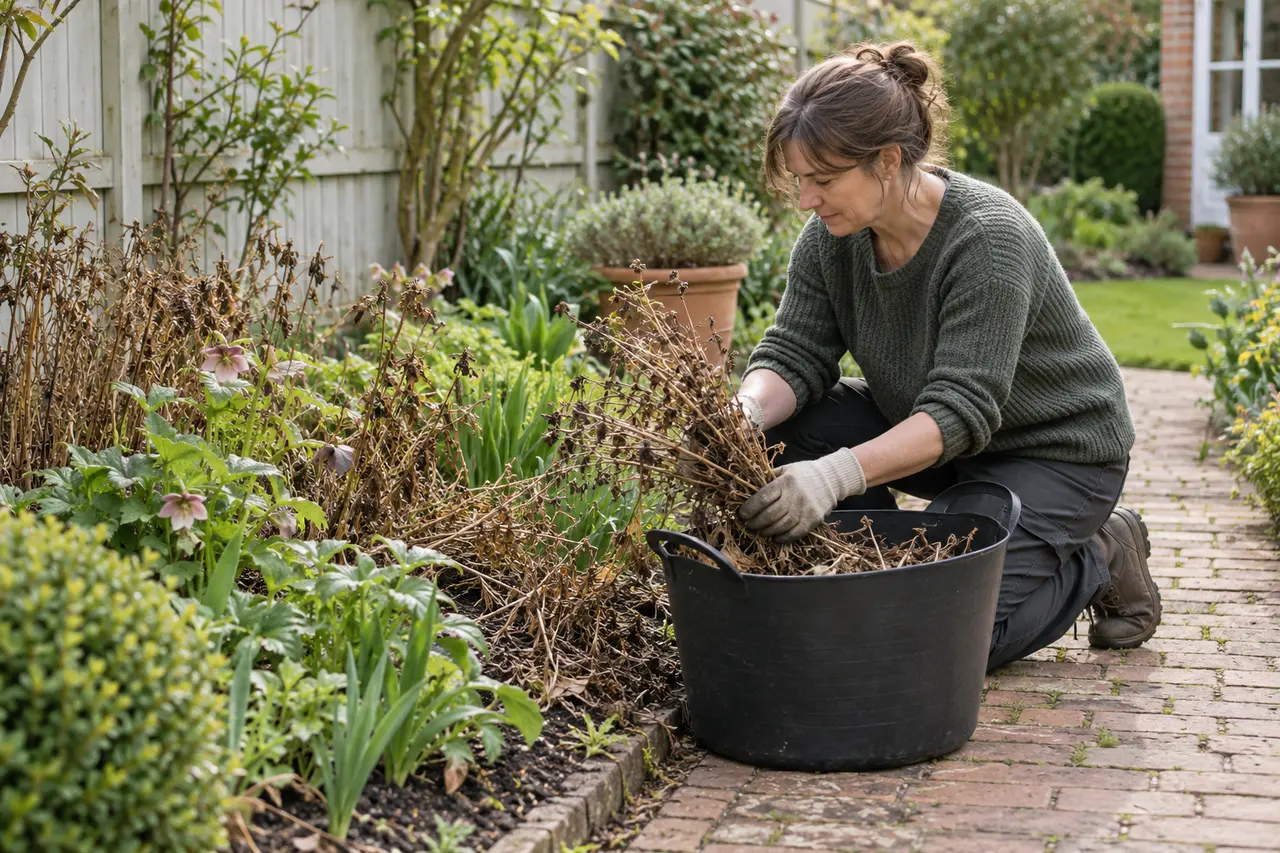
Our gardeners lift fully loose stems and windblown pieces in manageable portions to expose the growing surface. Attachments to useful plants are identified before collection continues. The opened view then supports weed selection, with the surrounding roots and seedlings still seated. This gives a concealed bed a controlled beginning and makes each next hand operation visible as material is gathered.
Our garden clean-up can recover a neglected section around an identified group of plants. Those plants remain outside the loading position. Broken pots, sharp pieces and unidentified objects prompt a separate handling decision before work continues through the affected material. Young planting is not used as a temporary hiding place for a difficult mixed load. The opened bed stays visible as removal moves through its different portions.
The garden-waste guide distinguishes unwanted plants and roots from reusable items and material kept for possible replanting. Each follows its own arrangement through collection. Useful pieces remain in a separate identifiable position, with waste gathered away from the selected bed. The completed surface therefore carries the earlier choices forward after the load has left.
Hedge work above young planting
The cutting position established outside the seedlings
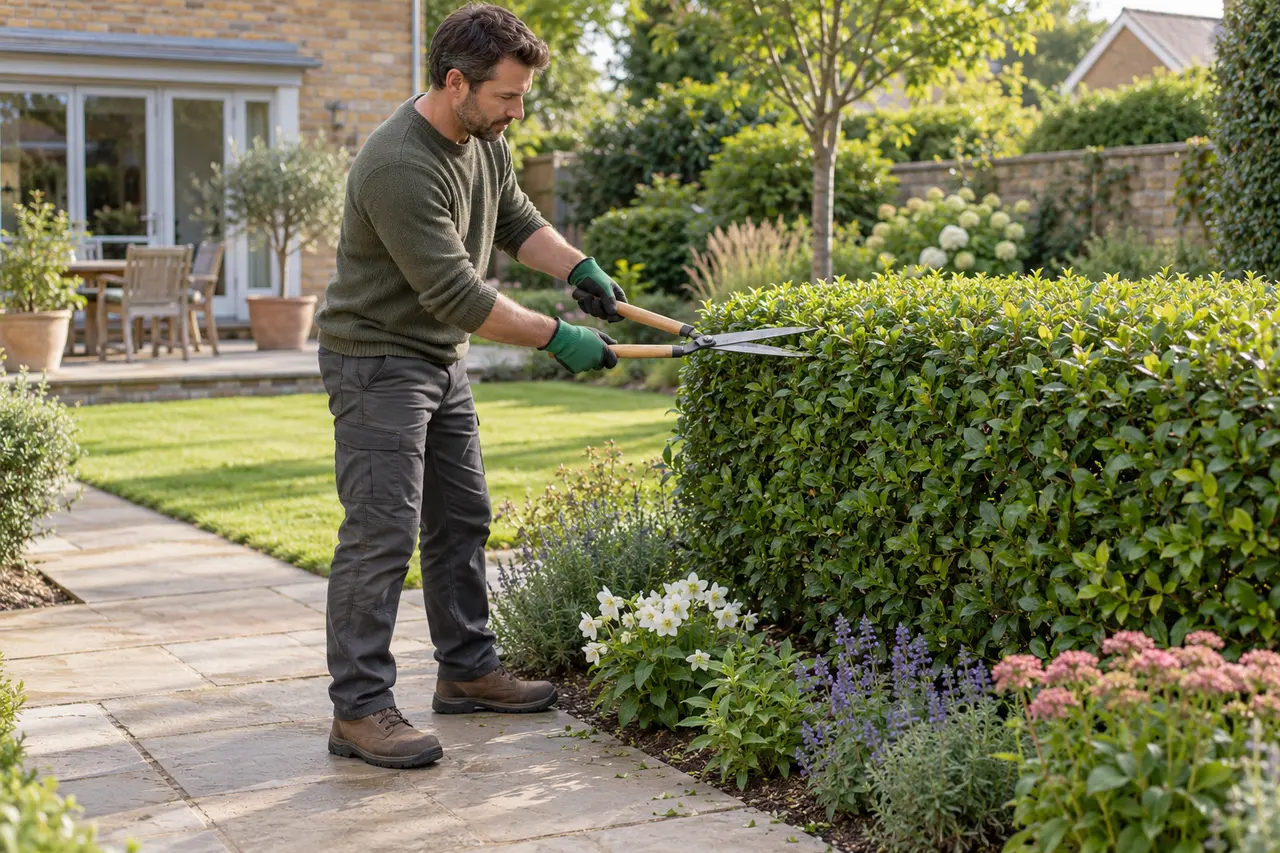
We establish the hedge face and lower planting before trimming. The gardener works from firm ground outside the seedlings, with room to control the tool. Inaccessible portions receive another method or a separately identified limit. This keeps the upper operation and the chosen young plants distinct, allowing the boundary to be maintained from the working space actually available.
The trim follows the hedge’s species and condition, with affected growth checked for nests being built or in use and disturbing cutting postponed. Young border stems remain distinct from hedge shoots. Uncertain growth is followed to its origin before a cut is selected, so the height of a new plant alone does not bring it into the hedge operation. This preserves the separate outline of the developing lower layer.
Accessible hedge fragments are gathered once cutting stops. Small pieces across young plants are lifted individually, with collection clear of markers and low foliage. The two layers remain recognisable after the task. This completes the hedge operation through its debris handling and leaves the seedlings available for continued attention within their established positions.
Attention to later germination
New arrivals distinguished from established weed regrowth
Later visits distinguish fresh germination from growth returning from existing unwanted roots. The gardener identifies the new arrivals before selecting an operation. A small seedling may receive close hand work while an established returning plant needs another approach. This gives follow-up an actual subject, keeping the ongoing maintenance responsive to what has appeared since the earlier selection.
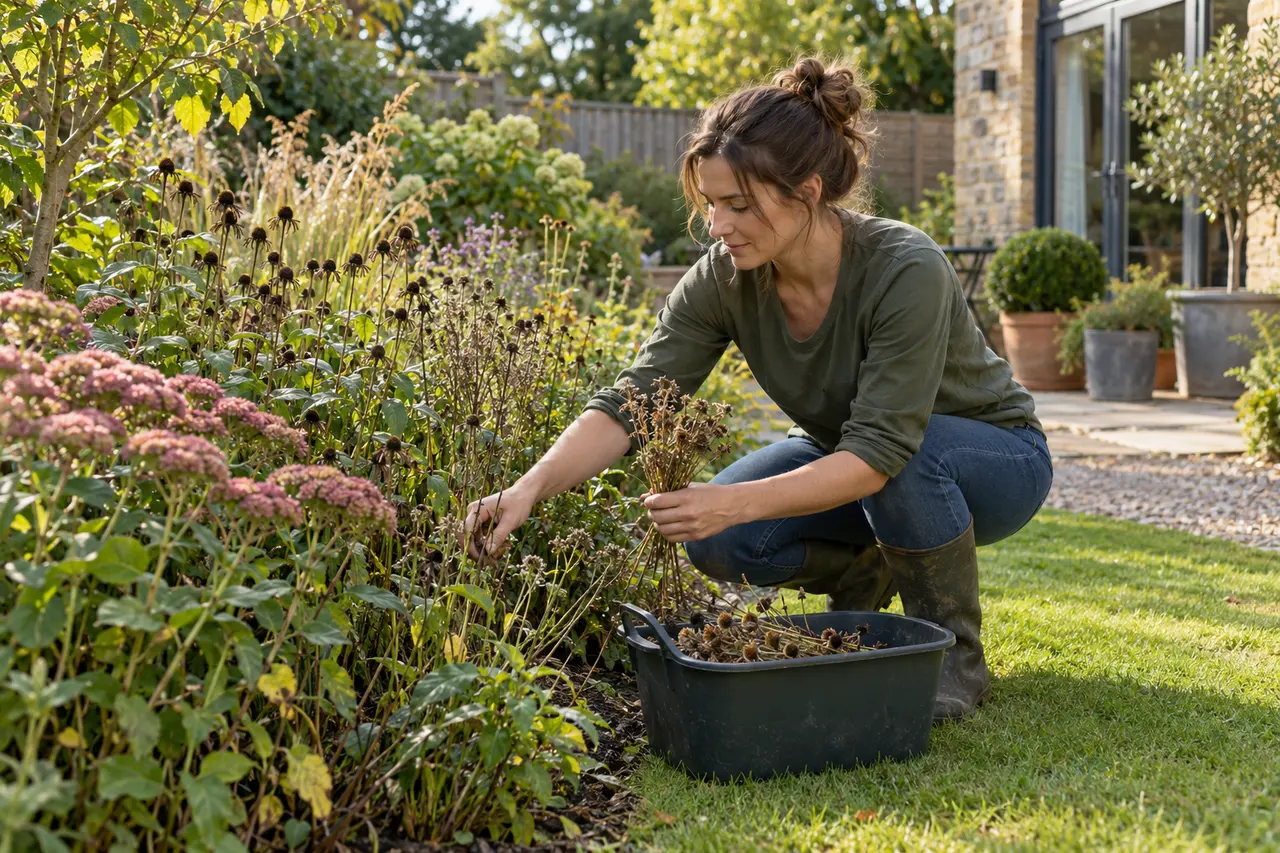
Where reduced seed production is part of the work, appropriate spent stems are collected before scattering. The task identifies those plants and preserves other intended flowering or seed features. During seasonal collection, the outgoing seed-bearing material goes directly into its container. The worked ground remains clear of that collection while later germination receives its own continuing attention.
Further services around the maintained bed
Design makes space for selected spontaneous planting
Our garden-design brief can identify where self-sown plants are welcome and where clear routes or specified planting take priority. Variation becomes part of an understood arrangement. A volunteer remains distinct from a named cultivar required by the scheme, giving new growth a realistic role within the bed. This provides a deliberate space for spontaneous planting alongside the dependable structure of the garden.
Known underground services identified for stump work
Our stump-work assessment includes available information about known cables, pipes and other services near the operation. The stump visible above ground does not describe everything occupying its surroundings. Reliable plans or installation information are considered with the proposed work, not taken as authority to cut across an uncertain route. This distinguishes the below-ground working area from ordinary branch collection elsewhere in the garden.
An oil spill distinguished from ordinary paving dirt
Before a surface clean is considered, an identified oil spill requires an appropriate containment and handling arrangement. A pressure jet is not used to drive that residue towards a gully. The substance and affected area are distinguished from ordinary loose garden dirt, keeping the paving-cleaning proposal separate from spill response or contaminated-waste disposal. Moving the residue elsewhere is not presented as resolving its actual material-handling requirement.
Gutter cleaning preserves the designed movement at joints
Our gutter clear-out addresses the identified deposit while recognising expansion and contraction allowances in plastic fittings. A visible joint space is not filled with improvised sealant as part of cleaning. Where a connection leaks, the actual fitting and seal arrangement need their own consideration. That keeps clearing debris separate from specifying a repair or making a connection rigid where the system was designed to move.
Existing tree lights considered separately from delivery
The care information for a delivered Christmas tree includes checking existing lights for visible cord or connection damage and following the set’s instructions. Damaged lights are not used. The required response to a light set remains separate from tree delivery or installation, which is not presented as an electrical inspection or certification of decorations already in the home. This gives the seasonal display clear information without implying an additional testing service.
Gardening time for selective young-plant work
Our time allowance follows the young plants and soil patches being worked: identifying the chosen group, loosening accessible surplus roots and gathering the selected outgoing material. The general rates below guide that gardening time. This gives seedling selection its own task description within the wider visit, with the appropriate hand work accounted for.
| Gardening time | Guide rate |
|---|---|
| First hour | £83 |
| Each subsequent hour | £65 |
GBP guide rates. The complete quotation identifies tasks, plant or material supplies, waste handling, VAT treatment and applicable access or parking charges. Selected planting attention remains distinguishable from separately required garden or exterior operations.
Self-sown plants within continuing maintenance
Do the first seed leaves always identify the mature plant?
Uncertain plants can remain identifiable while their later foliage supports a clearer decision. Our gardeners record that temporary choice, keeping it distinct from a permanent planting selection. First leaves are considered alongside the whole young plant and its setting. Subsequent work can then follow the actual newcomer without clearing a mixed patch on one early observation.
Does a self-sown plant have to match the parent’s flower colour?
We recognise possible variation in seed-grown plants, including those originating near a named parent. The actual developing specimen informs its role in the garden. Where a precise cultivar is required, its specification remains separately identified. This gives self-sown growth appropriate attention through development while preserving the distinction between a useful newcomer and a guaranteed copy of the parent’s flowers.
How can a very young seedling be handled during a suitable agreed move?
For an appropriate commissioned seedling move, the gardener loosens the roots gently with a small tool and supports the young plant. A suitable leaf can provide handling support without pinching the delicate stem or pulling the plant free by its top. The receiving position is prepared first. Plant identity and condition guide whether the move is appropriate, keeping the operation distinct from ordinary disposal of unwanted seedlings.
Will selective weeding prevent every later seedling from appearing?
Later germination can occur after visible weeds have been removed. Our continuing attention identifies arrivals and controls unwanted plants as they become accessible, without promising that no new growth will appear. The useful maintained result is an understood selection and appropriate care. It is not a claim that the soil has become permanently free of viable seed or that every later seedling has the same cause.
Selected young plants within a manageable growing space
Our wider gardening services leave selected young plants identifiable and surplus material collected from their growing space. The record and markers carry that choice through the next operation. This gives the bed room for development and continuing hand care, with the plants deliberately kept distinguishable from later arrivals. The completed selection remains practical for the garden’s intended arrangement.