

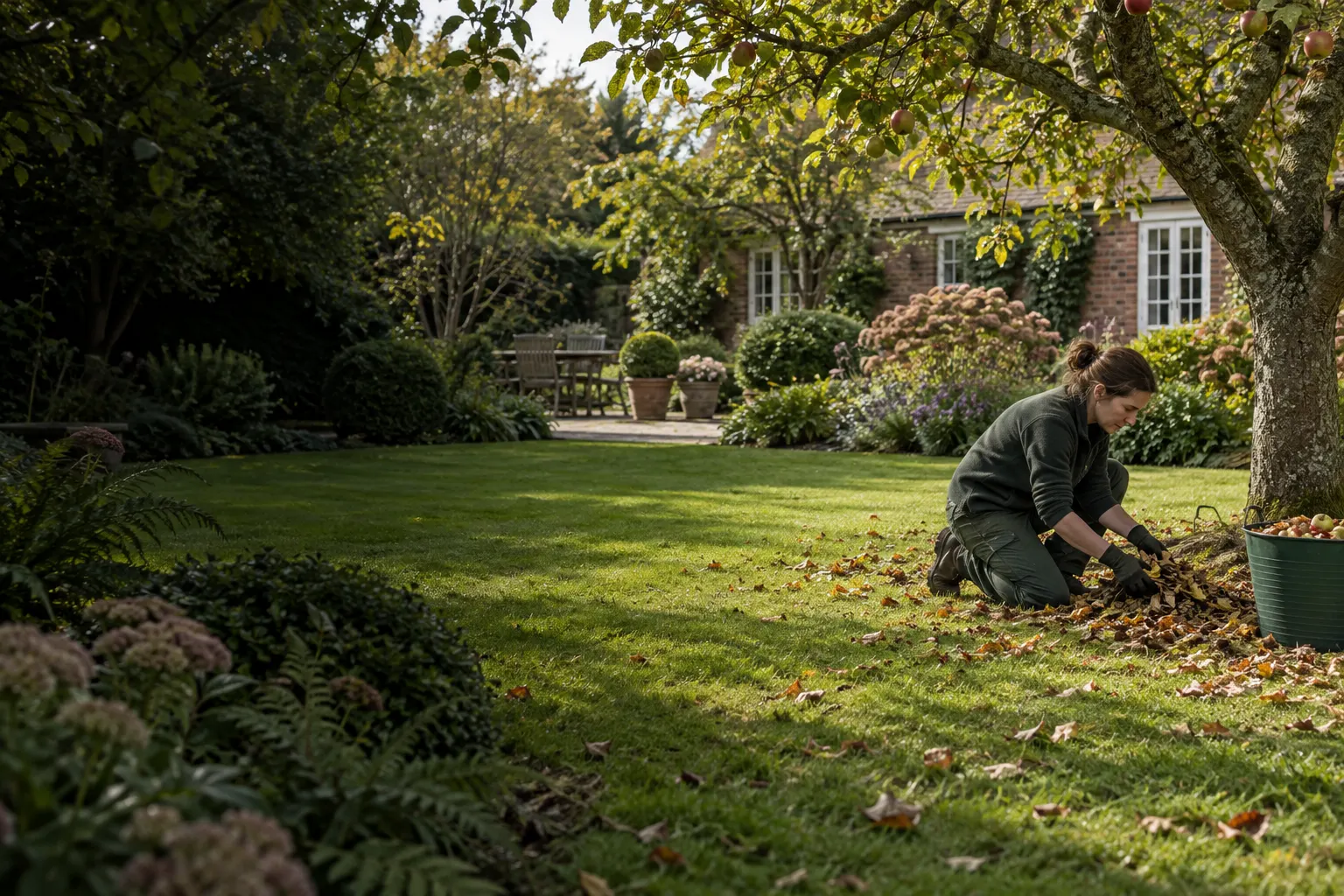
Ruislip · Ground care beneath established fruiting trees
Gardeners Ruislip
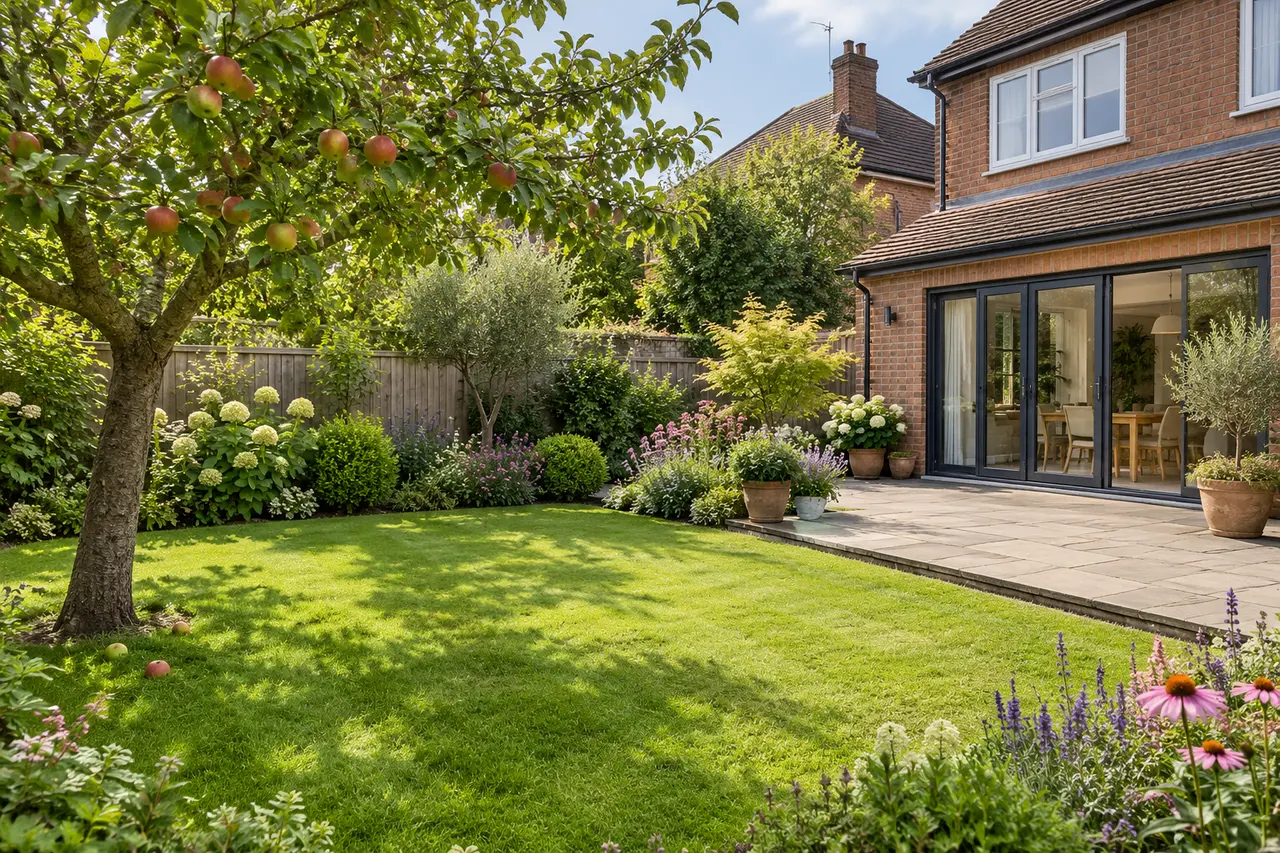
We gather fallen fruit and loose material before mowing, then maintain the grass and planted ground beneath the tree. Collection, selective weeding and hedge care follow their own methods around the existing planting. Tree operations remain separately identified, giving the everyday ground work a clear sequence from preparation to the finished cutting route.
- How do you prepare grass beneath a fruiting tree? Our gardeners collect accessible fallen fruit and other loose objects, exposing the mowing surface before the machine starts its route.
- How is collection coordinated with grass cutting? The tasks are considered separately, so a fresh fall of fruit can receive attention without automatically triggering another unnecessary mowing pass.
Ground preparation before the lawn cut
What happens to fallen apples before your gardeners mow?
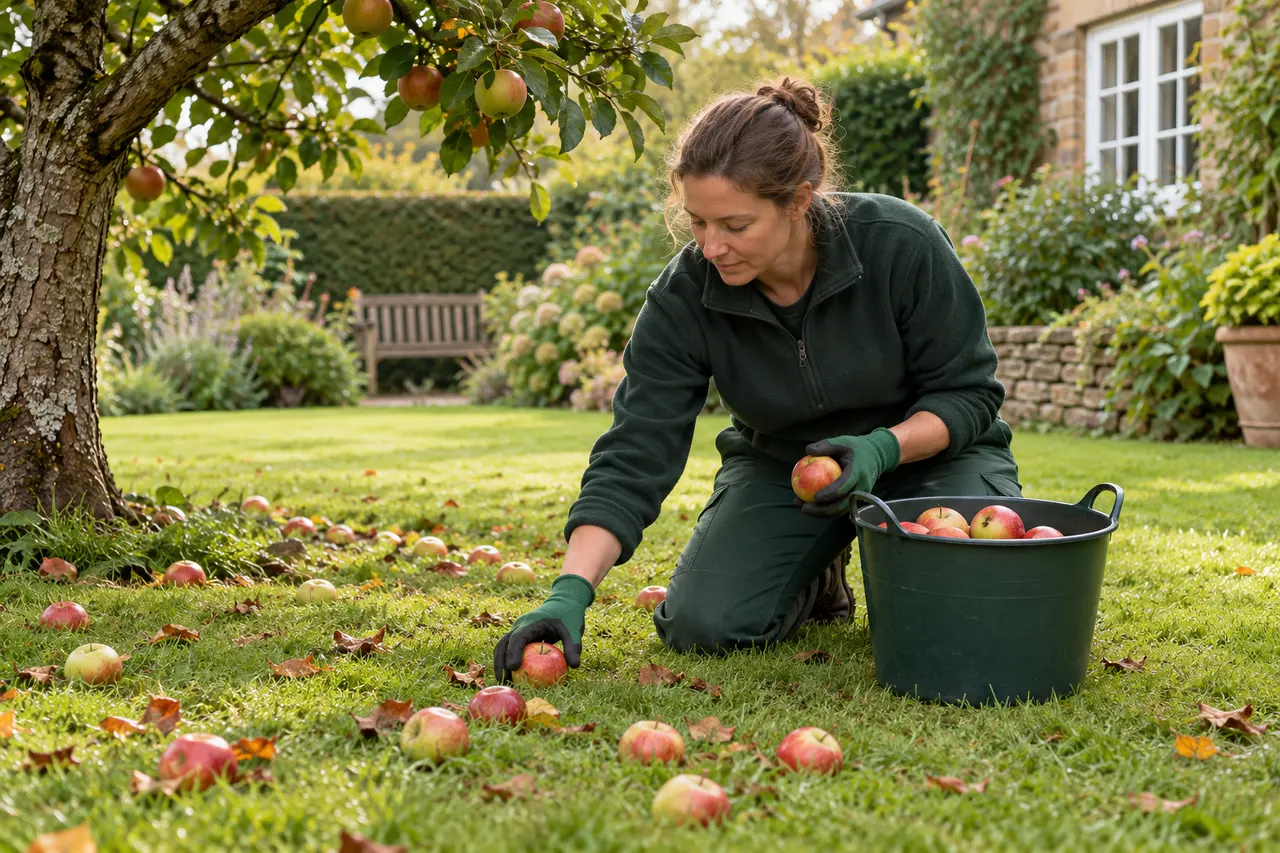
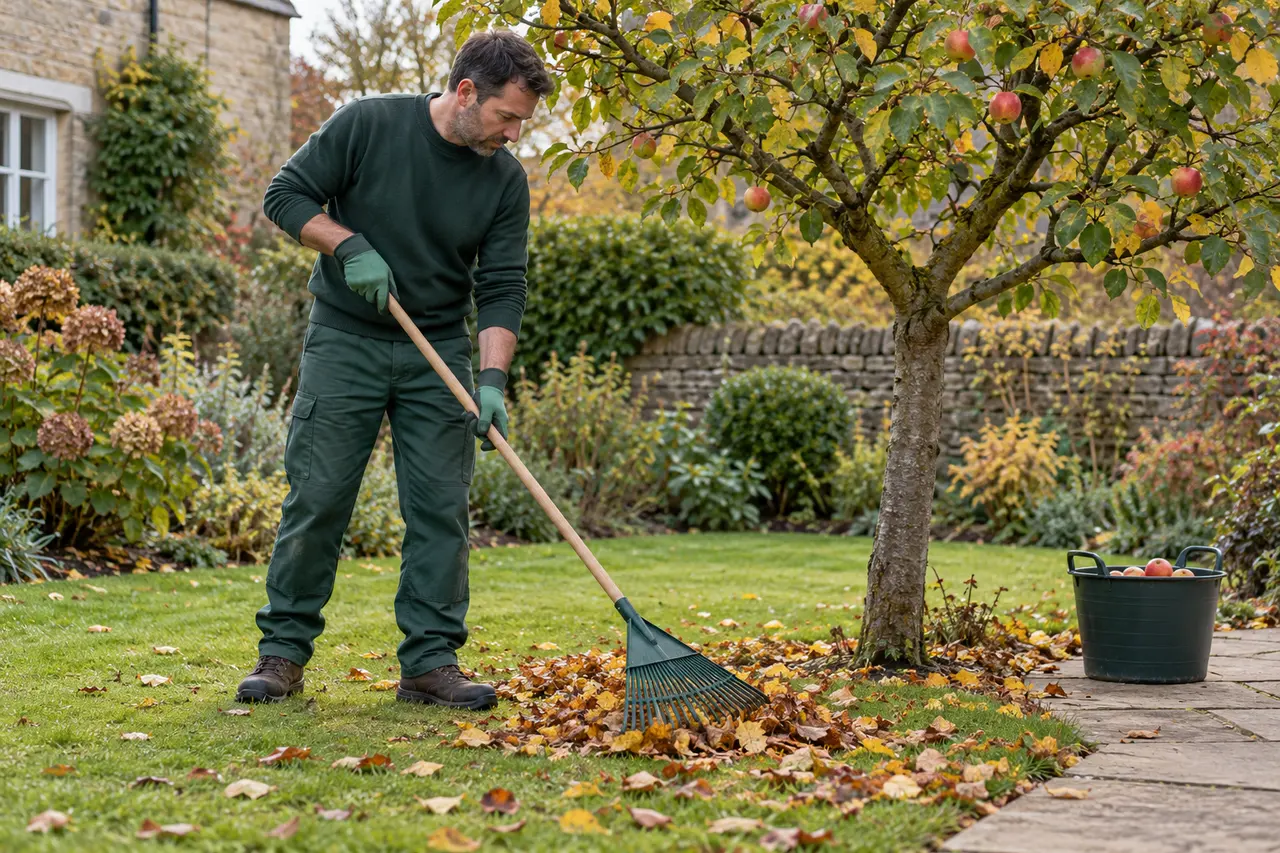
We gather accessible fallen fruit and other loose objects before using the cutting route. The collection method follows the material and its position, leaving the mower to work on the grass itself. This preparation is identified within the lawn task, including the receiving container and outgoing arrangement. The completed cut therefore starts from a clear surface instead of relying on the machine to discover and handle the fruit.
How can fruit collection differ from the mowing programme?
Our gardeners consider the amount lying on the ground alongside the grass condition. Fruit can continue falling while the lawn has little new growth to cut. The collection and mowing decisions can therefore follow different immediate needs within the same programme. This gives the garden appropriate surface attention without using the mower merely because another load has appeared beneath the tree.
The surface beneath the canopy
Visible fruit gathered across the working area
Our preparation covers the open lawn and less visible pieces beneath leaves or near the border. Accessible fruit goes into an appropriate container outside the next cutting pass. The team works through the actual proposed route, keeping its loose material separate from grass ready to be mown. This exposes a usable starting surface and prevents a short transfer of objects from leaving them waiting in the machine’s path again.
Our garden-maintenance visit can combine that ground task with bed care and mowing. The time follows the actual fall and the area beneath the canopy, including collection from corners and planted margins. Stones, toys and detached wood are separated as they appear. The gardener can then identify the different materials for their later handling, while the lawn remains clear of the mixed loose contents previously lying across it.
- We gather fallen fruit before the mowing route is used.
- Collection containers stay outside the grass being cut.
- Loose leaves are checked at the border margin.
- Detached wood is separated from the gathered fruit.
- The trunk and visible roots remain clear of cutting tools.
The lawn after preparation
Grass cutting follows the exposed surface
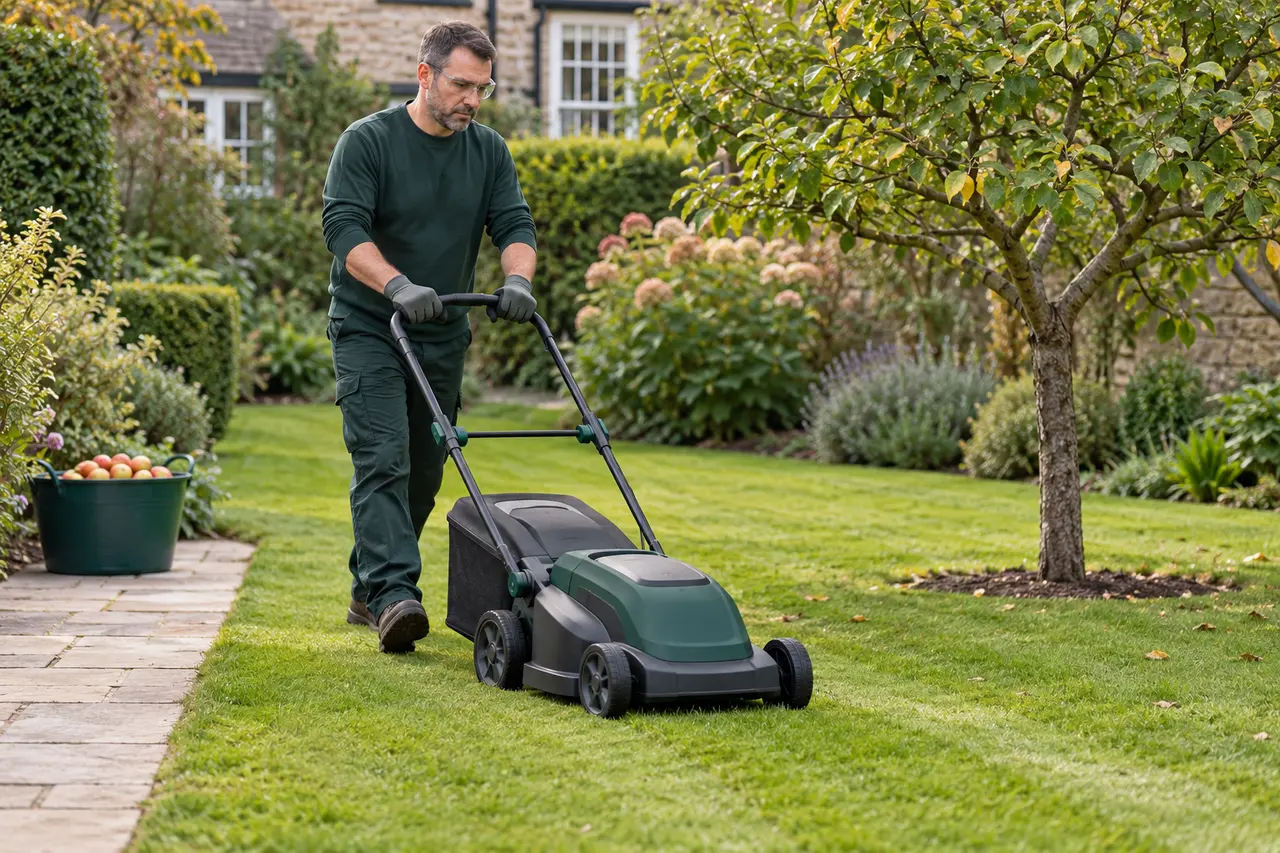
With fruit gathered, we assess the growth and firmness available beneath the tree. Different sections can require different attention, including where visible roots or uneven ground affect the route. The mower and finishing tools stay clear of the bark and roots. This gives the lawn an appropriate cut within its actual growing position, while keeping the tree base outside the cutting action.
Further lawn care can consider thinning or wear as a specific additional operation. Our routine cut maintains the existing surface, with accessible edges finished and clippings gathered from adjoining worked areas. A weak patch is identified for its own requirements, including the canopy and growing conditions. This keeps the ordinary mowing result realistic without repeatedly taking a thin area lower in pursuit of density that cutting alone may not provide.

The adjacent planted ground
Loose material collected around low perennial growth
Our gardeners lift accessible fruit and leaves from the planting with a method suited to the plants beneath them. Close hand collection around a crown gives more control than the rake used on open grass. That opening reveals weeds requiring their own attention, while attached stems remain identifiable. The operation gathers surface material in stages so the bed’s living contents stay seated and available for continuing care.
We loosen accessible weeds, preserve useful labels and keep plants firm at their bases once the loose layer is gone. Any commissioned additions are considered for the actual light, rooting space and watering access below the tree. The receiving position is prepared for that plant. Significant soil-level changes or interference with established roots remain separately considered work, keeping ordinary planting attention within the existing garden’s constraints.
Hedge care beside tree growth
The boundary plant identified before trimming
We trace a fruit-tree branch passing near the hedge before the shears begin. It remains a tree branch even where it projects through the intended screen outline. The hedge task follows the boundary plant, with the neighbouring growth kept identifiable. This gives each its appropriate operation and avoids allowing one convenient cutting plane to determine the extent of work on both plants.
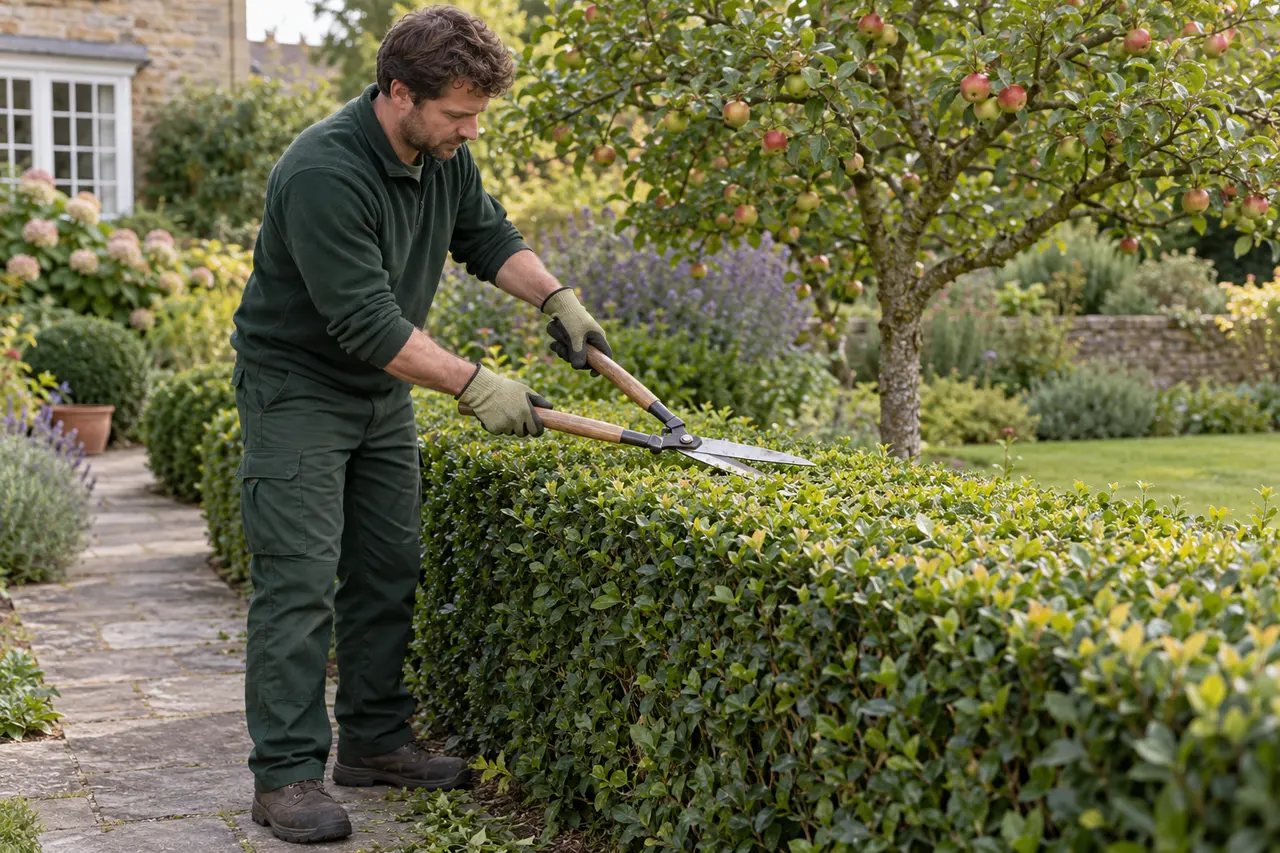
Reachable hedge growth is trimmed from firm ground, with nesting activity left undisturbed and affected cutting postponed. Accessible clippings are gathered once blades are closed. Where the collection arrangement requires it, that material remains separate from fruit already gathered. The completed boundary therefore has its own finish without introducing an unplanned tree cut or covering the attended bed with an unidentified new woody layer.
Material movement during the visit
The route kept available through each collection stage
A receiving position is identified for fruit and leaf containers outside the route needed for further work. The team carries manageable batches and keeps loaded tubs clear of low plants. This preserves movement through the garden as the work proceeds, including narrow paths beneath branches. The collection setup stays useful after the first bucket is full, instead of filling each accessible gap with a new temporary obstruction.
Our garden clean-up can address a wider backlog of growth and mixed objects separately from recurring surface collection. The garden-waste guide distinguishes the materials and their destinations. Branch piles, reusable pots and fruit remain identifiable even where they were found beneath the same tree. Items staying at the property are kept apart from the outgoing load, giving the clearance and the ordinary collection their own understood results.
The changing seasonal layer
Collection exposes the next ground-level task
We work through loose leaf cover before deciding whether the surface below is ready for mowing. The opened view can reveal more fruit, twigs or another maintenance requirement. The method changes from appropriate raking on open grass to close hand collection beside plants. Each batch stays visible during handling, allowing the gardener to distinguish actual loose material from the growth or fixed features beneath it.
Our seasonal leaf work combines collection with review of the fruit, twigs and grass exposed below. Soft ground may make an approach from the firm edge more useful than repeated equipment movements. The programme can continue caring for the space through that change. It does not require every surface visit to become a mowing appointment when a different task is what the revealed ground needs.
Related services with separate operations
Garden layouts consider seasonal material below a tree
Our garden-design brief considers the household’s preferred use of the ground beneath fruiting growth. A table beneath heavier fall creates different everyday collection needs from a planted area there. The proposal takes that handling and the tree’s role into account, connecting the ground layout with its actual seasonal use. It provides an arrangement for living with that material, not a promise that the selected design stops fruit and leaves falling.
Tree work identifies the origin of a nearby shoot
For tree-care work, a shoot near an existing tree is considered for its connection before removal is selected. It can arise from rootstock rather than from an independent seedling. That origin changes the operation because pulling or cutting may involve the established plant. The proposed work follows the growth actually present, keeping the surrounding bed out of broad excavation simply because one upright has appeared beside it.
Paving cleaning distinguishes a recurring salt bloom
Our Jet washing assessment identifies the surface and any white deposit on appropriate brick or concrete paving. Efflorescence involves moisture carrying salts outward, and a bloom can recur while that movement continues. The manufacturer’s care guidance informs the next operation. A stronger wash or assumed acid treatment is not used as the automatic response, keeping the cleaning method connected to the actual material and process behind the mark.
Gutter condition recorded as deposits are removed
During gutter cleaning, accumulated material can reveal surfaces and fittings that were previously concealed. We distinguish that observable condition from assumptions about when any defect arose. The record identifies what has been exposed and the work completed, giving a follow-up issue its actual subject. This keeps a newly visible defect from being described automatically as new damage or hidden within a general claim that every component is sound.
Seasonal collection identifies the tree’s actual form
Our Christmas-tree collection arrangement records whether the material is one tree or already consists of separate trunk lengths and branches. Those forms require a clear handling description at the collection position. Any preparation follows the confirmed booking information, with chipping or supplied bags separately identified if offered. The collection label alone is not treated as an instruction for the household to cut or package the tree in an assumed format.
Gardening time for preparation and the completed cut
Our time-based quotation includes the ground preparation, collection and finishing around the fruiting tree. The general guide rates below support that task description, recognising the close work beneath the canopy as well as the eventual mowing pass on the prepared lawn.
| Gardening time | Guide price |
|---|---|
| First hour | £83 |
| Each subsequent hour | £65 |
GBP guide rates. The complete quotation identifies the commissioned work, waste handling, VAT treatment and any applicable parking or access charges. Separately considered tree operations remain distinguishable from the ordinary maintenance of the ground beneath them.
Fruit, leaves and the lawn-working route
Will a leaf rake gather every apple beneath the tree?
The collection method follows the fruit’s size and position together with the grass and nearby planting. One tool is not assumed to handle every loose material. Remaining pieces are lifted by an appropriate method where leaves have concealed them, with close plants receiving hand attention. This completes preparation without forcing a rake through the bed or leaving fruit hidden beneath an apparently gathered upper layer.
Can a collection container stay beneath low branches?
Containers use a position that leaves room to handle the load and continue the route. A convenient space beneath a branch is reviewed for low planting and the next carrying movement. Manageable batches are then taken to their destination. This gives collection an orderly progression and keeps the garden usable while the quantity changes, instead of turning every reachable corner into another waiting place for loaded tubs.
Should fallen twigs be put into the same bucket as fruit?
Our gardeners separate woody and pointed fragments from fruit during collection. The materials differ in carrying and intended handling, so the load remains understandable beyond its top layer. A bucket that appears to contain only fruit is kept clear of concealed sharp twigs. This supports the actual destination and movement of each batch while preserving the distinction established during the ground preparation.
Does tidying below the tree include cutting its branches?
Collection, weeding and mowing have their own ground-care tasks beneath the tree. Branch work is identified separately for a plant-specific method. The limb remains part of the living tree throughout the surface operation. This gives the household a clear account of the area maintained below the canopy and preserves any proposed cut for its own appropriate tree-work decision.
The grass prepared for its own maintenance
Our gardening service overview leaves the worked ground clear of its accessible loose load, with grass and planted areas available for the next appropriate task. Fruit collection and mowing remain distinguishable, while tree growth keeps its own work decision. The completed sequence provides a usable surface beneath the existing canopy without treating every operation in that space as one undefined cut-and-clear job.