

Greenford · Raised-bed planting and its usable surround
Gardeners Greenford
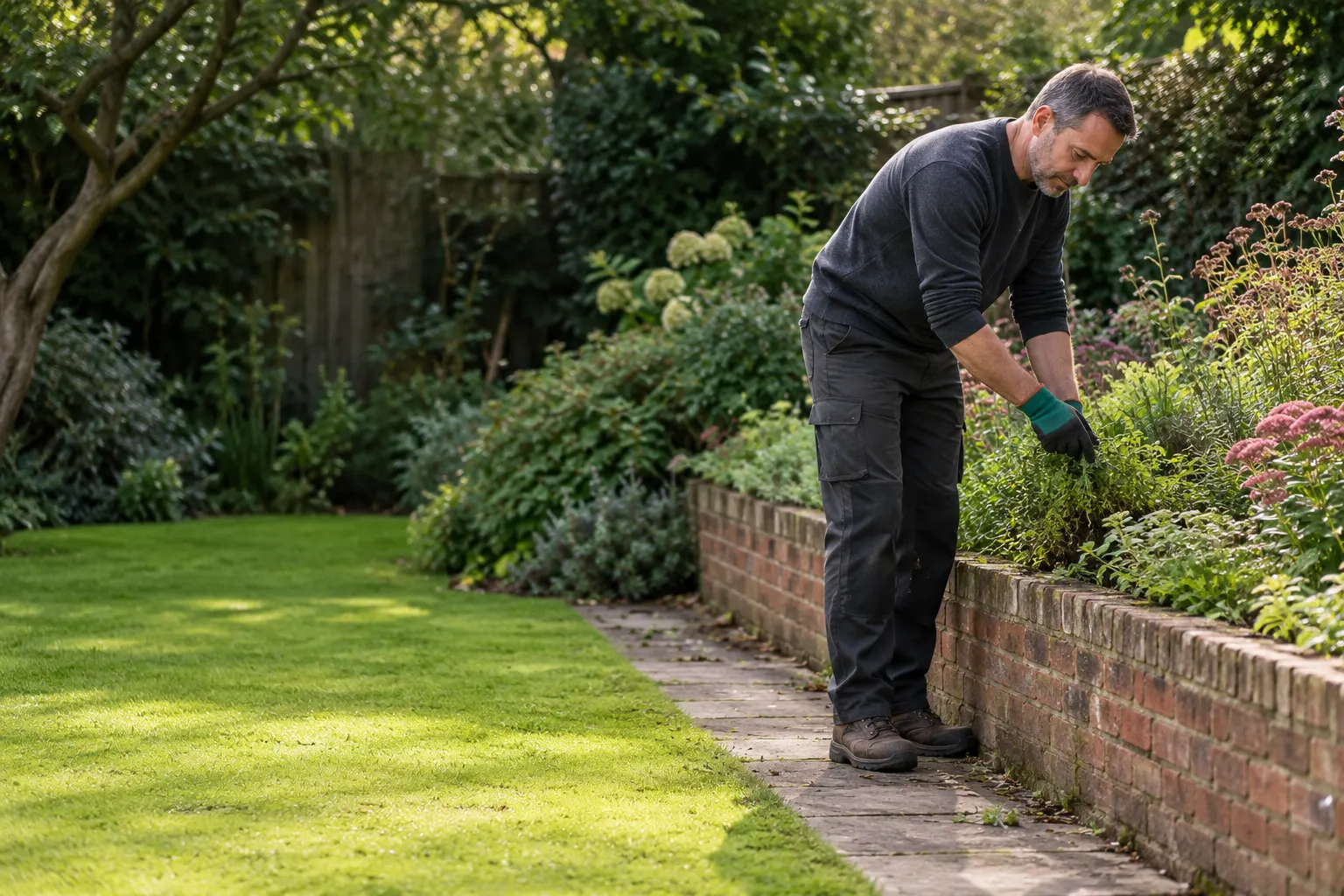
Our gardeners maintain accessible raised-bed planting with selective weeding, suitable plant tidying and controlled collection. We work from appropriate positions around the bed, keeping retained roots and crowns seated while attending to the lawn and paths outside its fixed edges. Plant care remains distinct from rebuilding or replacing the structure.
- How do your gardeners reach raised-bed planting? We assess the paths, bed width and plant positions, establishing controlled working points for weeding, collection and close attention.
- How is planting beside a loose wall handled? The team leaves an affected section where suitable access is unavailable, keeping plant maintenance separate from structural repair.
Raised-bed gardening with defined working positions
What planting work can your gardeners undertake in a raised bed?
We can weed accessible soil, tidy appropriate plants and collect loose material within the commissioned visit. The gardener works from positions matching the bed’s height, width and surrounding space. The proposal identifies the portion available for care, with structural repair or whole-volume soil replacement considered separately. The completed task leaves the accessible planting maintained and its approach clear.
How do you deal with a centre beyond comfortable reach?
Our gardeners assess the usable reach from surrounding paths and the position of established plants. A firm alternative side may provide controlled access, while other arrangements require a different plan. Greater bed height alone does not make the centre accessible. We select the working position before hand work begins, without relying on the wall or timber rim as a ready-made standing surface.
Access around the planting
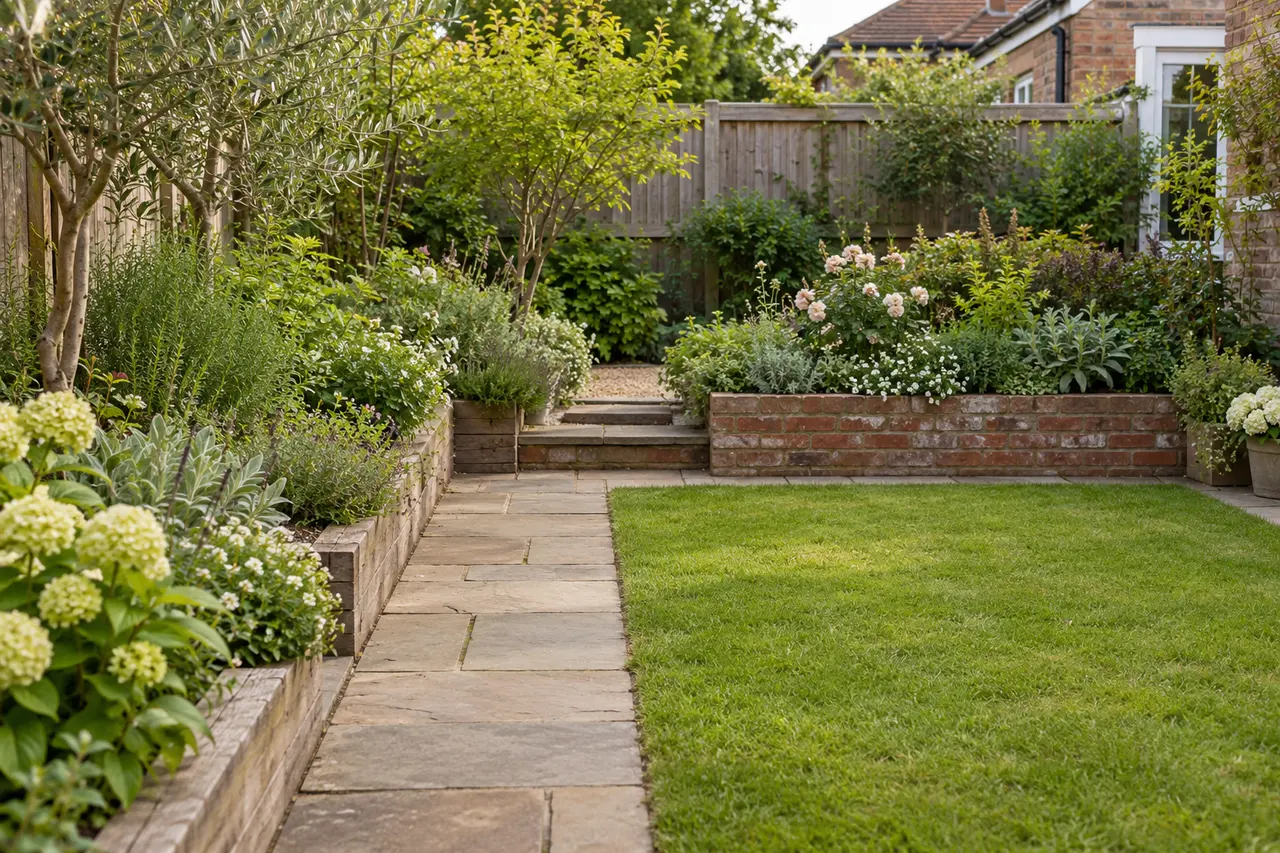
Maintenance from firm ground outside the raised soil
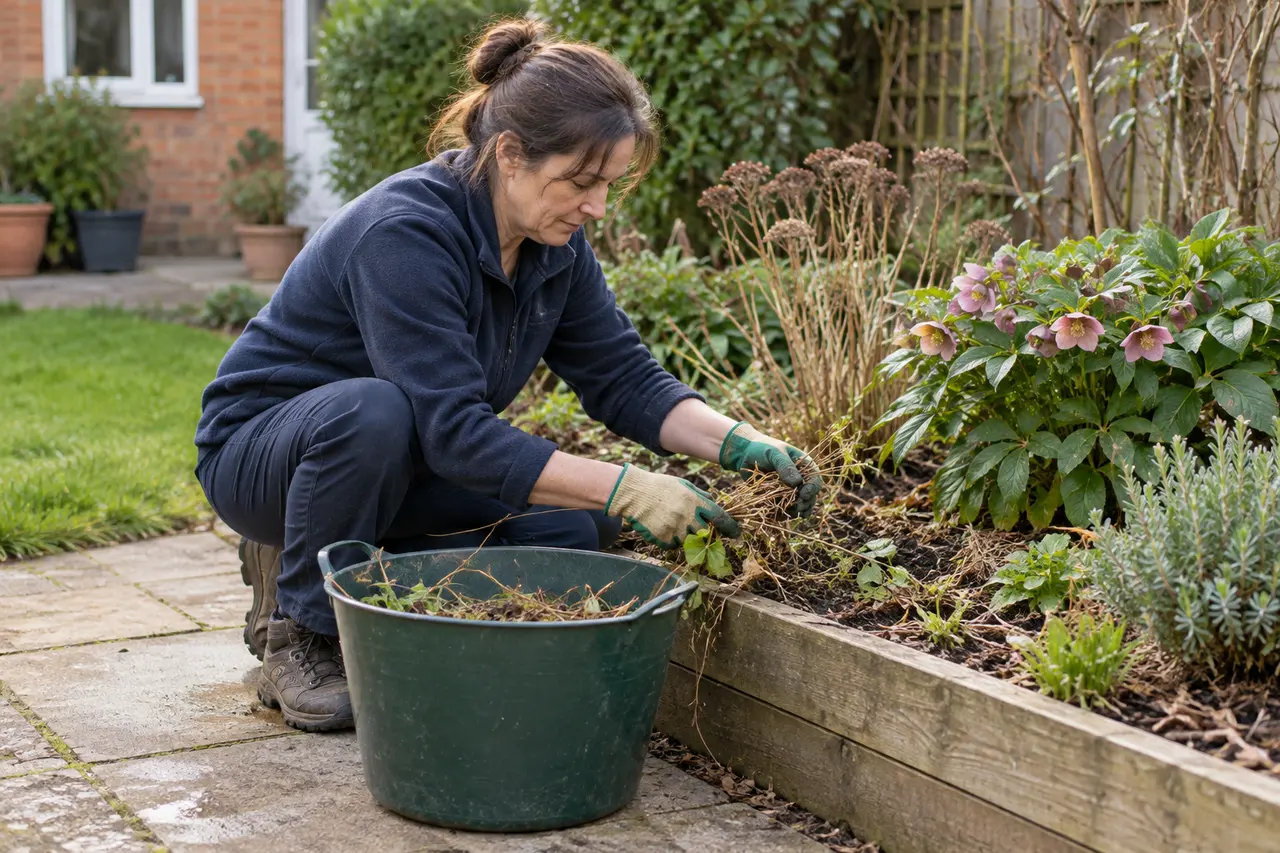
Before starting, we establish how close the gardener can stand and which plants are reachable with controlled tools. Foliage can conceal an awkward position behind a raised edge. The available space beside the bed defines the hand work, allowing each portion to be approached with the plant and soil visible. Access is therefore established for the actual maintenance being undertaken.
Tubs and loose tools stay on firm ground outside the planting. The bed remains clear of repeated foot pressure and storage on low foliage. A wall or timber side is not used as an assumed seat, step or brace. Where a section is loose, that condition is identified separately, keeping the working support distinct from the plants receiving attention.
Our Garden maintenance concentrates on reachable planting and visible soil while other portions receive an appropriate plan. We identify areas requiring an unsafe stretch instead of presenting a superficial appearance of complete care. Finishing leaves the accessible plants maintained, surrounding paths usable and the limits of the operation understood. The bed remains a growing space, not a surface temporarily cleared to provide a taller position for the gardener.
- Our gardeners work from firm paths beside planted soil.
- Loose tools and tubs are kept clear of the bed rim.
- Accessible weeds are loosened selectively among retained roots.
- Suitable returned soil stays below retained plant crowns.
- Cut material is gathered away from the surrounding mowing route.
Selective work among established roots
Individual weeds traced before their roots are loosened
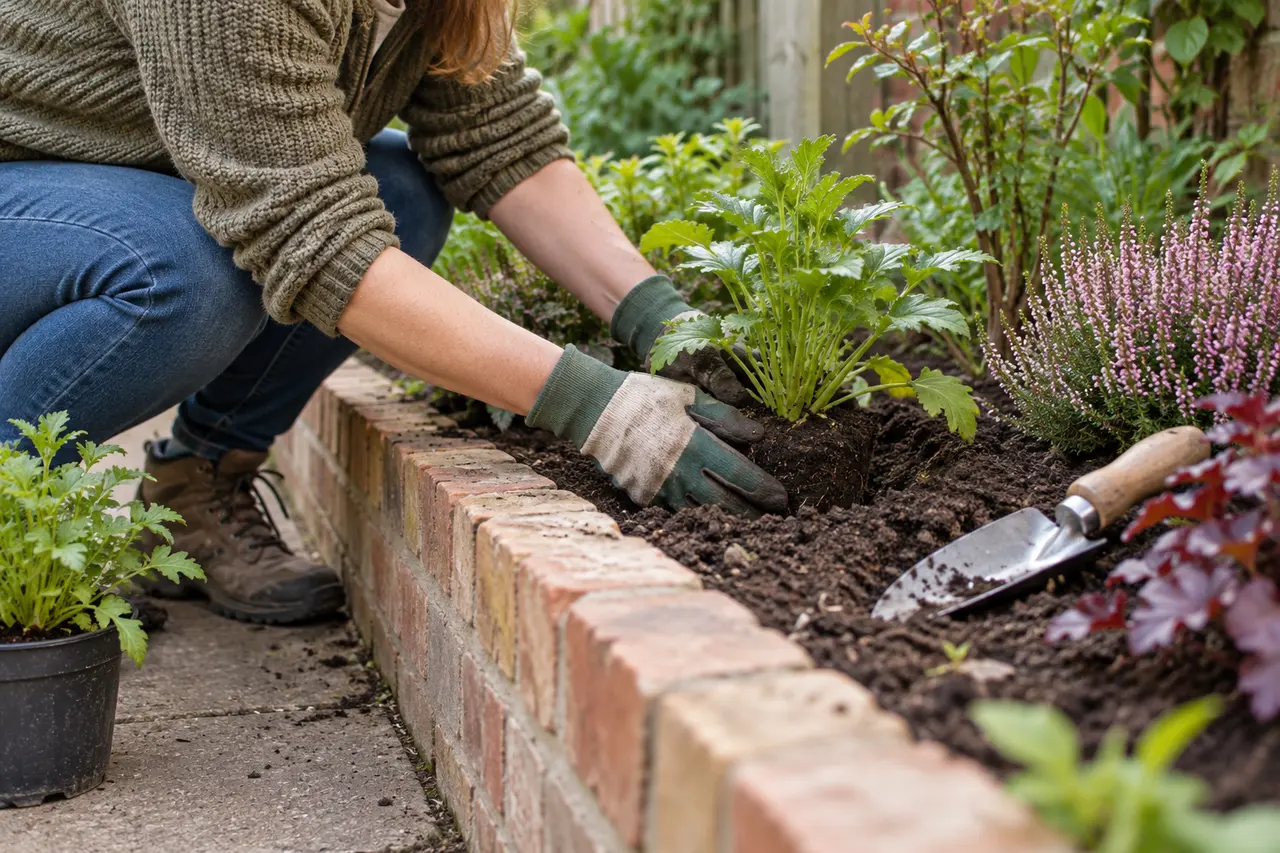
The gardener traces a weed’s stem before loosening its root beside a wanted plant. Close hand work opens enough soil to distinguish the connection, with the surrounding growth left seated. An entangled section receives a revised method or separate decision before further removal. This keeps the operation focused on the unwanted plant and provides a visible working area for each controlled portion.
Removed roots and stems are gathered away from foliage and the bed rim. Crossing runners are separated with their attachments visible. The finish keeps useful roots seated and crowns recognisable, with appropriate soil returned where the work has opened a hollow. Loose leaves are collected from that area so the actual planting level remains clear for its next care task.
For expressly agreed additions, we identify an actual planting space within the existing roots and growing conditions. Light and eventual spread inform positioning before holes are made, and the selected species determines preparation and level. Required supplies or substantial soil changes remain part of the specified planting operation. A visible gap from the path does not automatically become suitable ground, nor does ordinary weeding imply replacement of all the bed’s contents.
Lawn maintenance around fixed sides
Mowing patterns selected for the space beside the bed
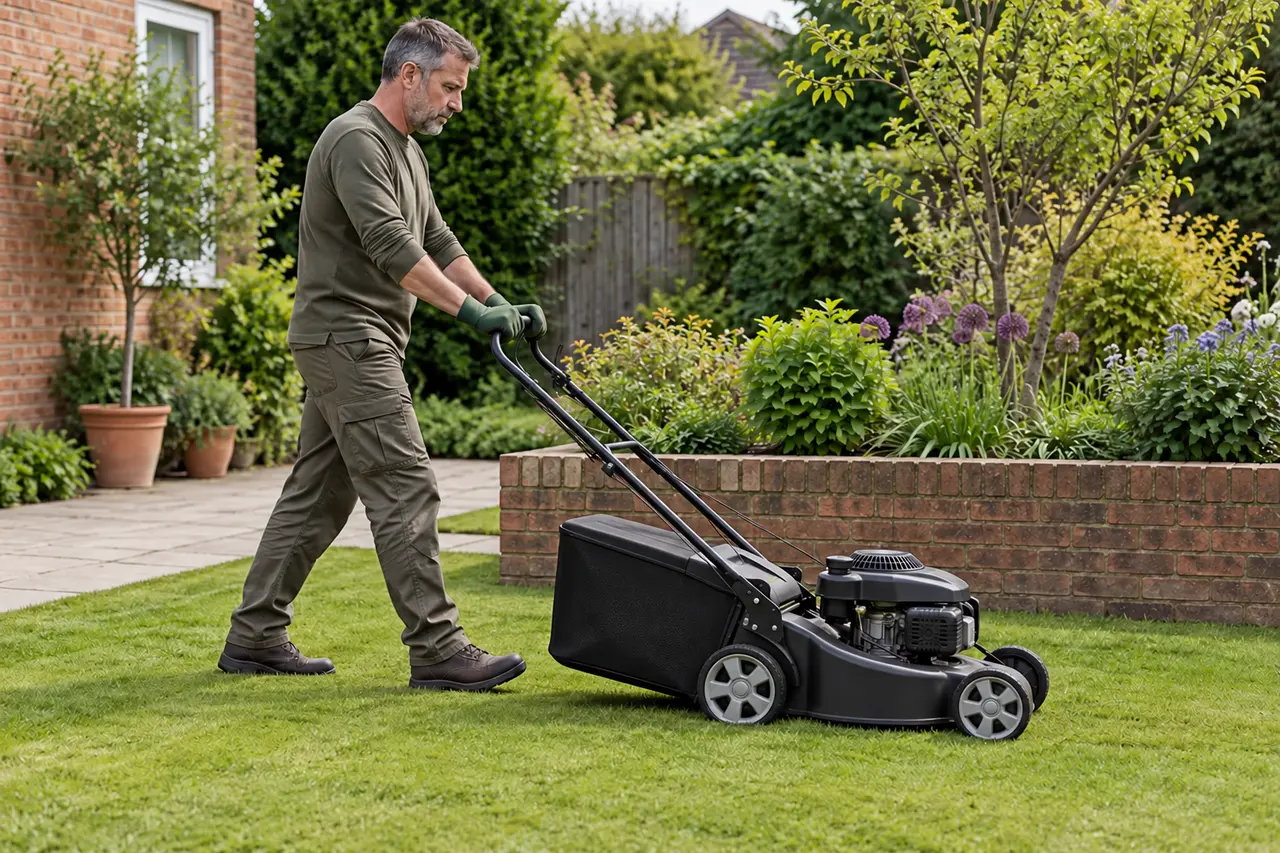
We inspect narrow grass strips and their corners before introducing the mower. A straight run may be cut appropriately while its end needs a separate approach, particularly where the fixed wall limits turning. The machine’s route stays outside the planting, without using the side as a stop or swinging a wheel across the growing space. The proposed pattern therefore reflects the actual room available around the feature.
Loose stones, fallen pots and detached stems are collected from the grass before the lawn-care cut. Suitable firm ground receives the cut selected for the grass itself, while soft, frosty or otherwise unsuitable surfaces may be left. The route avoids imposing repeated tight pivots on a weak section merely to maintain one convenient pattern. This keeps the operation connected to both the lawn condition and the fixed feature surrounding it.
Accessible margins receive the tool appropriate to the adjacent material, keeping stems, masonry and timber outside the cutting action. The gardener gathers loose grass from the path and low corners. This completes the perimeter through the methods its different points require, giving the narrow spaces the same deliberate attention as the main straight lawn strip beside the bed.
Clearance within the existing growing space
Unwanted growth collected without removing the whole bed
During recovery, we work through small portions so wanted root balls, labels and unwanted growth can be distinguished before collection. Useful plants stay within the bed or their identified handling position. Outgoing material is then gathered from what has actually been selected, leaving the continuing planting recognisable and preventing a mixed load of soil and growth from obscuring that choice.
Our garden clean-up removes the commissioned material while retaining suitable loose soil within the bed. It is not spilled across a path and later swept against living stems. Old ties, damaged containers and sharp or unidentified objects are separated from green cuttings, with an affected section paused where those items make the next operation uncertain. This distinction preserves the growing space while allowing the unwanted material to be gathered deliberately.
The waste-disposal guide identifies outgoing vegetation and the separate supplies kept for later care. Collection sits outside the walking route, with the rim free of waiting loads. Completed sections stay open as work moves along the bed. This gives the gardener room for continuing operations while preserving the hand work already finished in the earlier part of the planting.
Hedge work behind raised planting
Reachable cutting from an appropriate external position
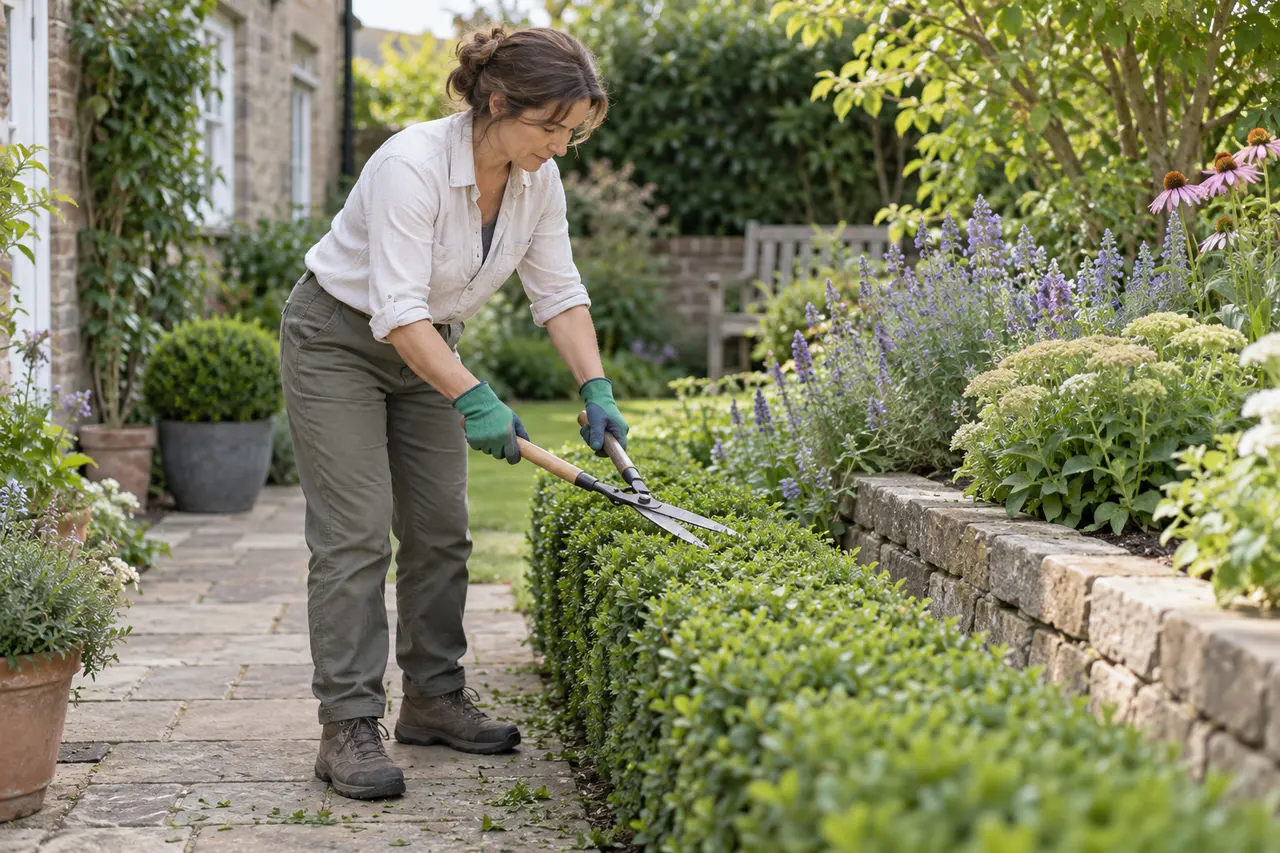
For a hedge behind the bed, our gardeners consider the face, top and return separately for access. The position available for one part may not suit another. Planted soil and the rim are not converted into standing platforms to bring upper foliage within reach. The working extent ends where appropriate access ends, allowing the proposal to reflect the actual arrangement instead of improvising a taller position within retained planting.
On suitable growth, we select a controlled trim that keeps the hedge distinct from the plants below. Individual hand cuts can be appropriate around isolated shoots or larger leaves, while the reduction follows the hedge’s condition and intended form. Checks for nests being built or in use precede cutting, and affected work is postponed. The planting arrangement does not override that constraint simply because a tidy appearance is desired.
We arrange hedge collection for the bed below, placing any sheet where stems remain uncrushed. After cutting stops, fragments caught in low growth are lifted by hand and watering positions left accessible. The completed task includes the upper face and its fresh material beneath, so the plants can receive their next care without another debris-removal stage.
Maintenance through changing conditions
Watering selected for the actual raised growing medium
Watering attention follows the raised growing medium and the plants it supplies. We check the actual bed and apply appropriate water to the soil where required. The path remains usable as the task progresses. This gives the roots direct attention and accounts for differing drying and rainfall interception between the raised area and nearby ground-level planting.
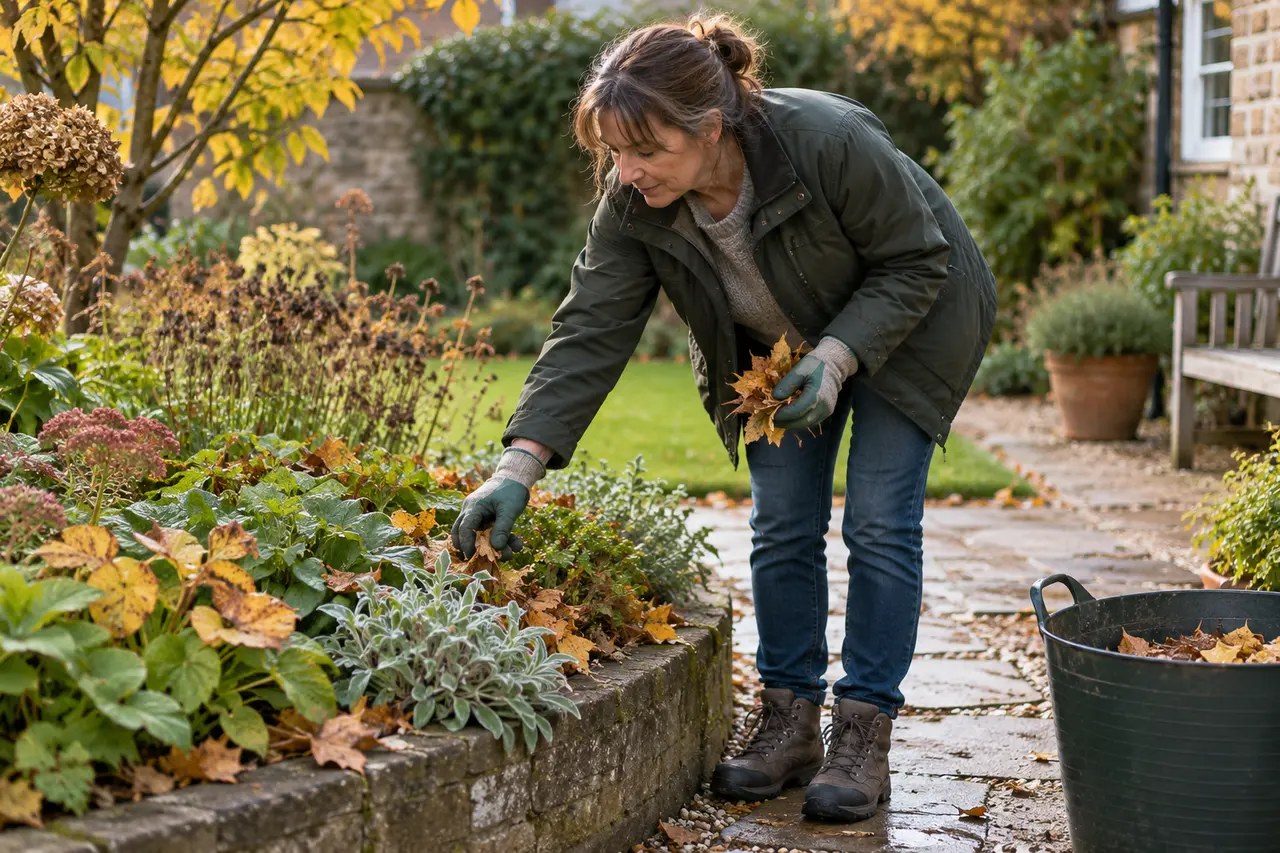
Our seasonal hand work includes accessible leaf lifting, fully spent-growth removal and close weeding. Existing surface cover is identified around the plants, with excessive accumulations cleared from crowns. A commissioned mulch is selected and positioned for the bed, clear of low foliage and woody stems. The finish leaves the growing surface understandable and its plants available for continued attention.
Finishing extends to the accessible edges of the operation. Soil on the path, tubs left on the lawn and loose fragments in corners are gathered or repositioned appropriately within the worked area. The bed can retain its seasonal plant appearance while its surround remains clear. That usable approach gives later maintenance a practical place to start without first undoing temporary storage left by the previous visit.
Additional garden services around the raised feature
Planting layouts include height and working reach
Our garden-design brief considers the standing positions required for weeding and watering before the dimensions of a proposed raised feature are fixed. The appearance of elevated plants is considered alongside access to their centre. Structural feasibility, building work and new materials remain separate operations; a layout proposal does not certify the existing wall. This keeps the design focused on a workable planting arrangement without treating routine maintenance as a construction service.
Arborist operations quoted for the particular tree work
The routine gardening time guide is separate from Tree surgery. That service is quoted for the particular operation, distinguishing tree pruning from removal. Its intended work provides the pricing basis alongside the general gardening visit. The household can then identify each component and the result proposed for the tree without treating different arborist operations as interchangeable hours of bed maintenance.
Cleaning plans identify painted finishes to retain
For jet washing, intentional painted lines and decorative finishes remain identified parts of the surface. The operator selects the method for the paving and the features being preserved. The proposed clean therefore has a defined material boundary, giving the retained marks appropriate attention alongside the surrounding deposits. Stripping or replacing the finish remains a distinct task where required.
Gutter methods selected for the working conditions
Our gutter cleaning arrangement follows the actual weather and condition of the working position when the proposed operation is considered. A preferred date does not make an unstable setup suitable. The selected method must remain appropriate to the building, equipment and conditions, without promising that the same operation proceeds in every kind of weather. This preserves the distinction between a booking request and a practical method available for that occasion.
Living seasonal trees treated as outdoor plants
A pot-grown Christmas tree remains a living outdoor plant during its temporary indoor display. The seasonal arrangement identifies suitable care for the selected tree and a brief display in a cool setting. A rooted format is not presented as permission for indefinite growth in a heated room. This gives the delivery and display decision a realistic basis without promising that choosing roots alone guarantees the tree’s continuing health indoors.
Gardening time within and around raised planting
Our quotation reflects the reachable work from each suitable position and the material being collected. The general gardening rates below provide a guide, while the actual visit distinguishes close hand work within the raised planting from lawn and path attention outside it.
| Gardening time | Published guide rate |
|---|---|
| First hour | £83 |
| Each subsequent hour | £65 |
GBP guide prices. The full quotation identifies commissioned work, supplies, waste handling, VAT treatment and applicable access or parking charges. Plant maintenance and separately required structural work retain their own descriptions and materials within that arrangement, giving the actual bed-care operation a clear relationship to the general time guide.
Raised-bed maintenance in everyday use
Will the whole raised bed need digging to remove a few weeds?
Our targeted weeding loosens accessible unwanted plants while preserving neighbouring roots. The gardener selects the method for the way growth is attached, working through manageable portions with the intended plants visible. The bed can receive this close attention while keeping its existing soil structure and occupants. Whole-bed cultivation is identified separately where a different operation is proposed.
Can a loose raised-bed side be used for support?
A loose side is not used as a seat, step or brace during our plant maintenance. Its condition is considered separately from the growing space, and affected work may be left until a suitable stable position is available. The gardening operation does not imply repair of the side. This keeps the team’s working support and the bed’s plant-care requirements distinct instead of placing additional load on the loose section.
Should loose soil be swept against plants to clear the path?
Suitable displaced soil is returned with control, keeping retained crowns and woody stems at appropriate levels. Unrelated debris stays separate. Our path finish does not rely on sweeping everything into a mound against the nearest plant, because a cleared walking surface should not be obtained by concealing material within the planting. The worked surround and the living bed are finished as connected but different parts of the operation.
Does rain over the garden settle the raised bed’s watering needs?
The gardeners check soil and planting when selecting watering, including how foliage, position and growing medium affect its arrival at the roots. The task then follows that observed condition and the plant’s needs. Different positions can receive different attention within the bed, keeping watering part of its actual care while the wider maintenance sequence proceeds around it.
Can the grass outside the bed be maintained on its own?
The grass outside the bed can receive its own selected maintenance where a suitable equipment route is available. We keep loose objects and trailing growth clear of the intended cut, then finish accessible edges with the fixed sides and plants outside the cutting action. Soil work inside the bed need not be included in that same visit simply because the lawn lies beside it.
Raised planting maintained with a usable approach
Our available garden-care services leave the worked plants seated, their crowns recognisable and the approach clear. Subsequent hand care can begin from that accessible surface. Any section requiring another working position or a distinct structural operation stays identified, giving the household a clear account of the planting attended to and the additional work still required around it.