

GET RID & Dispose Of Garden Waste!
Separate ordinary green cuttings from soil, rubble, treated timber and household rubbish before choosing a disposal route. What a collection service accepts matters more than whether an item happened to be found outdoors.
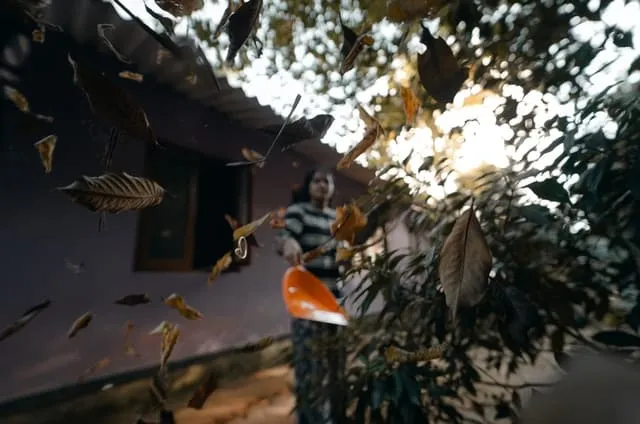
Separate the material before choosing a route
Start with ordinary green cuttings: grass, leaves and suitable plant material. Keep these separate from rubble, soil, treated wood, plastic, glass and household rubbish. Something found in a garden is not automatically accepted as green waste. Check the rules of the collection or recycling facility before filling bags or arranging transport.
A large pile can contain more than the visible top layer suggests. Do not reach into concealed sharp or unidentified material. Describe mixed waste clearly when asking for help, and do not assume a gardening booking covers the removal of every outdoor object. The clearance task and the destination of the material should be agreed together.
Compost suitable material at home
Home composting is an option where there is suitable space and someone to manage it. Combine appropriate green material with suitable brown material and allow air into the mixture. Avoid treating a thick, compacted pile of fresh lawn clippings as finished compost. The RHS composting guidance explains the balance of ingredients and aeration.
Choose a position that you can reach to add material and remove compost later. Consider how the container fits into the garden's paths and working areas. Keep inappropriate materials out, and check advice for anything you are uncertain about. Composting should not be used as a reason to mix industrial waste, sewage or unidentified substances into garden soil.
Consider leaves and woody cuttings separately
Leaves and branches need different handling from soft green growth. The size and quantity influence whether material is useful at home or better sent through an appropriate collection route. If you want suitable woody material retained for another purpose, tell the person doing the work where it should be placed and how much you can realistically use.
Do not assume a large branch will become usable mulch without suitable processing. Equipment and work required to prepare it should be discussed separately. A tidy stack that blocks a gate or a shared path is not a practical storage arrangement. Think about the destination before the cutting begins so material is not moved repeatedly without a plan.
Check council collections and recycling centres
Accepted materials, booking arrangements, fees and collection dates depend on the local service. Check the current instructions for your address rather than rely on a general article or a neighbour's arrangement. Some facilities distinguish green cuttings from soil, rubble or larger timber. Bags and containers also need to match the provider's requirements.
The official household-waste guidance is a starting point for finding the appropriate route. If you arrange another person to take household waste away, make the relevant checks on the recipient; the government waste duty-of-care guidance explains this responsibility. Keep the agreed collection details rather than relying on an informal promise to dispose of an unspecified pile.
Organise a collection around the actual load
Photographs should show the full amount and the route out of the property. Explain steps, narrow passages and whether carrying through the house is necessary. Separate green material from unrelated items and ask which materials the proposed service accepts. Confirm the price and handling arrangements before the booking, including what happens if additional material is discovered.
If you need vegetation cut back as well as material handled, discuss garden clean-up as a defined job. Clearance, collection and follow-up garden maintenance are connected decisions, but they should not be treated as interchangeable services. Establish which parts are included in the quote.
Avoid improvised burning or dumping
Do not treat garden waste as harmless fuel or leave it on public or shared land awaiting an assumed collection. Burning can create smoke and other hazards, and local circumstances matter. Check the official garden-bonfire rules instead of relying on claims that an incinerator makes every garden material safe to burn. Composting, recycling or an appropriate authorised collection is worth considering first.
Plan for the next round of cuttings
A garden continues producing material after the first clear-up. Decide whether you want to compost suitable cuttings, use an available local collection or agree removal when booking future work. Keep the arrangement realistic for the space you have. A modest, workable plan is more useful than storing a growing pile in the hope that it will eventually disappear.