

Ways To Dog-Proof Garden Flower Beds
Protecting flower beds works best when a dog has a clear route and an appropriate area of its own. Use barriers and layout decisions rather than assume that every deterrent or garden plant is safe for an animal.
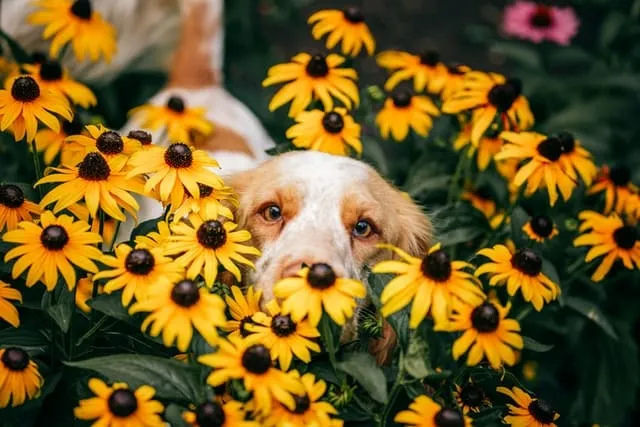
Give the dog a clear route
Look at the route your dog already takes between the house, gate and favourite part of the garden. A flower bed placed directly across it is likely to receive repeated traffic. Leaving a usable path around the planting can protect the bed without relying on a substance or device intended to frighten the animal away.
The path needs to lead somewhere useful. A barrier that blocks the only route to an outdoor area creates a different problem from a border fence with a clear way around it. The layout should give both the planting and the dog sufficient room rather than squeeze one into the space left by the other.
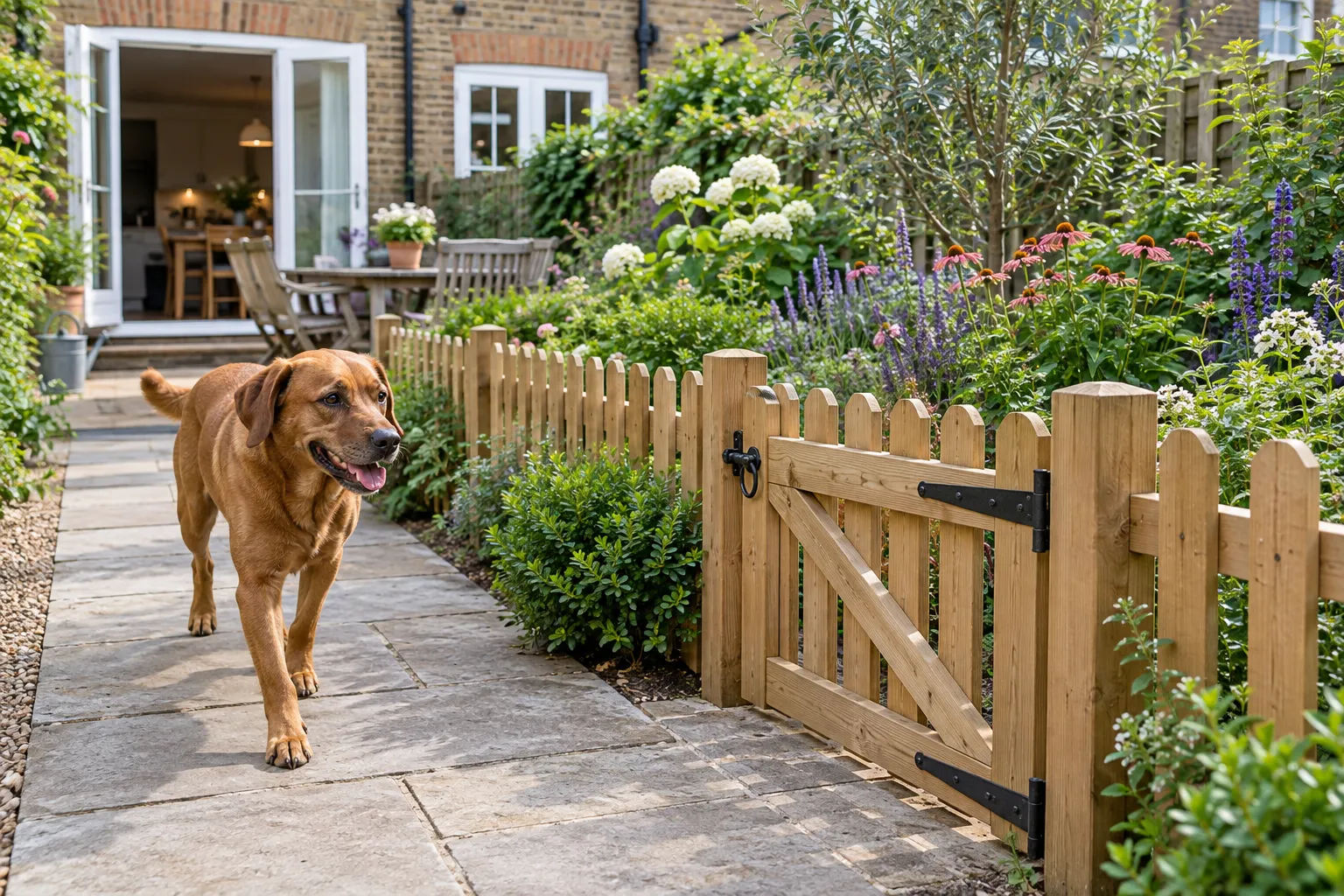
Choose a physical barrier suited to the garden
A smooth, well-maintained fence or suitable gate can separate a bed from an area the dog uses. Its height, gaps and fixing need to suit the animal and setting. A low decorative edging strip is not automatically an effective barrier for a dog that can jump or push past it.
Keep sharp edges, broken panels and awkward gaps out of the arrangement. The aim is to create a clear boundary, not to use thorny cuttings or other material that could injure an animal. Building work and fence installation need the appropriate assessment; this article does not specify a universal fence suitable for every dog.
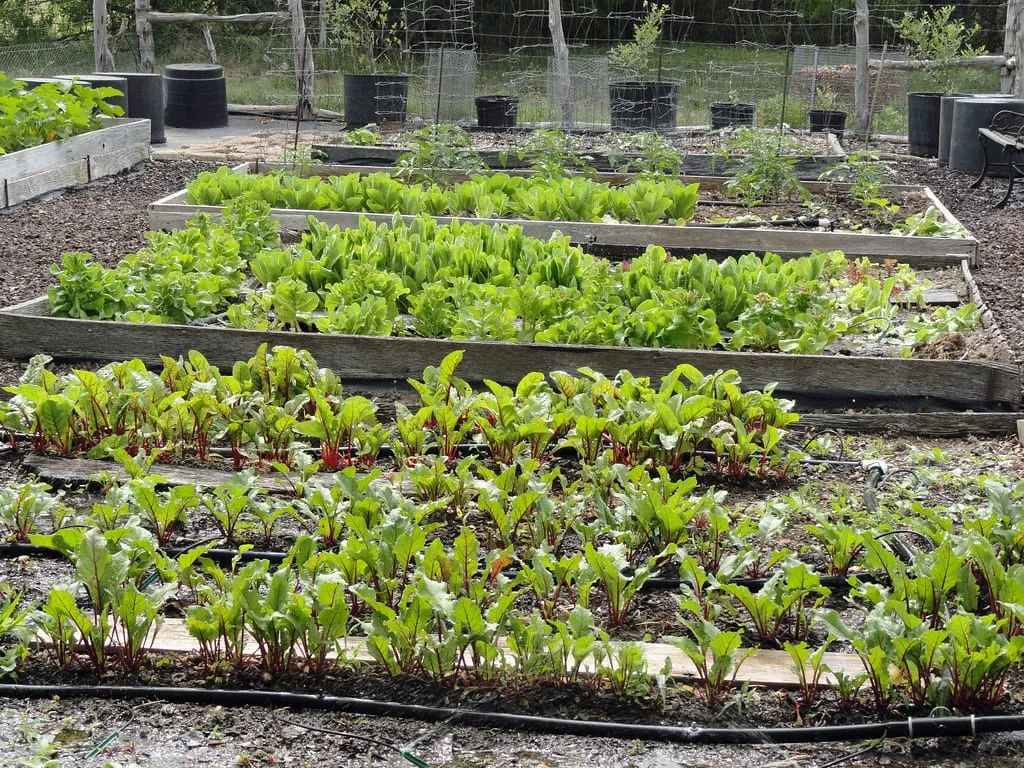
Source: https://flic.kr/p/9zL1e1
Provide space for appropriate activity
A designated outdoor area can keep repeated traffic away from delicate planting. It still needs supervision and suitable care for the animal. If digging is a recurring concern, a veterinary or qualified behaviour professional can help establish an appropriate response rather than relying on a gardening article to explain the cause.
Garden changes are one part of that response. They do not replace exercise, training or attention to an animal's needs. A larger run is not automatically suitable because there is room to build one, and a dog should not be confined to a space simply to protect the appearance of a flower bed.
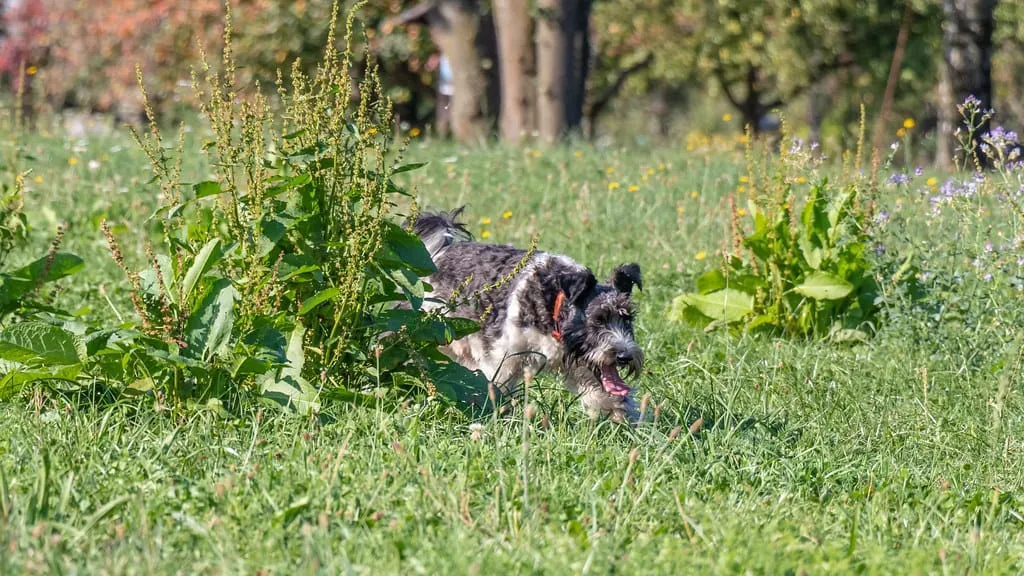
Source: https://flic.kr/p/P7P9RQ
Check plants and products for pet safety
Before buying plants, check their suitability around the animals using the garden. The PDSA advice on pet-friendly gardens is a useful starting point. An attractive plant or a product labelled natural should not be assumed safe for a dog.
Avoid improvised recipes involving irritating substances or using sharp plant material as a deterrent. This guide also does not recommend shock-based barriers or devices intended to frighten an animal. Physical separation, a sensible layout and appropriate professional advice provide a clearer starting point than treating discomfort as garden protection.
Keep the maintenance route practical
A protected bed still needs to be reached for weeding, watering and pruning. Gates and fence positions should allow that care without leaving the barrier permanently open. Pots and stored tools should not narrow the dog's route or create new obstacles beside the fence.
For a wider layout change, garden design can consider planting and circulation together. Garden maintenance can then address the agreed plant-care tasks. Neither service replaces veterinary or behaviour advice about a particular animal.