

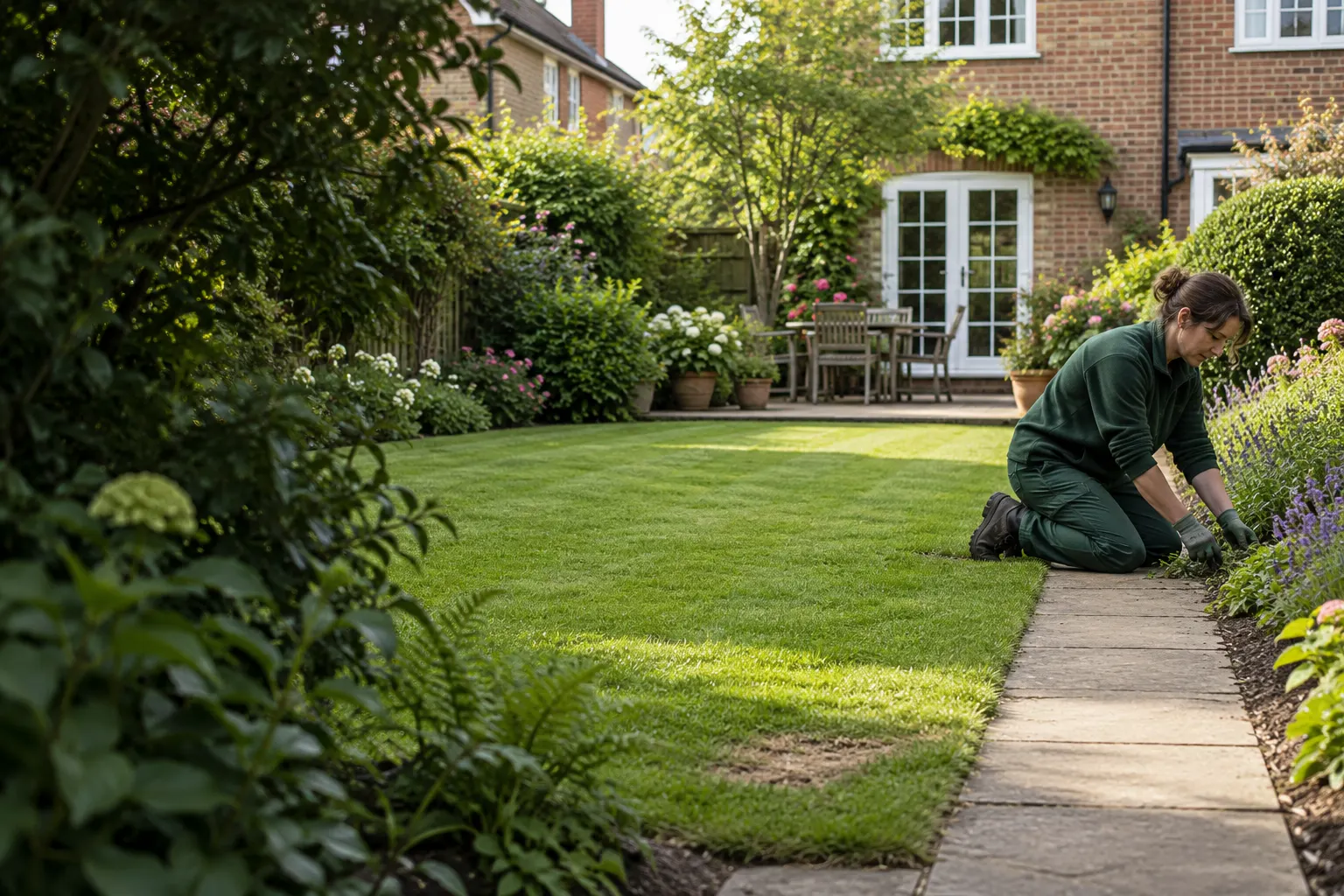
Lawn care connected to the route that receives the wear
Gardeners Eastcote
Our gardeners distinguish sound growing turf from a thin or bare route, giving routine cutting and any proposed recovery their own suitable place in the work. We assess repeated movement, prepare accessible surfaces and coordinate the neighbouring beds and hedge around the patch. Its later care follows the operation actually carried out.
- How is a repeatedly worn shortcut assessed? We include the continuing traffic pattern in the recovery plan, relating the selected work to how the route will be used afterwards.
- How do you select work for a wet patch? Our assessment includes the receiving surface, levels, drainage and any relevant compaction before identifying the appropriate lawn operation.
The routine cut and the separately planned recovery
What can your mowing achieve around a worn line?
We maintain the growing grass with a suitable route and cutting setting, identifying bare or thin positions before machinery approaches them. Any recovery follows its own assessment of traffic, surface and surrounding growth. This keeps the ordinary cut useful around the patch while the selected additional operation and its follow-up remain clearly defined.
How is surrounding gardening coordinated with a repair?
We establish the recovering area’s boundary and relevant aftercare before nearby equipment and collection move through the garden. Suitable work can continue on the remaining lawn, beds and reachable hedge using routes clear of that position. Future cutting follows the patch’s actual stage, keeping it distinguishable from established grass already ready for its routine attention.
The growing sward beside the worn surface
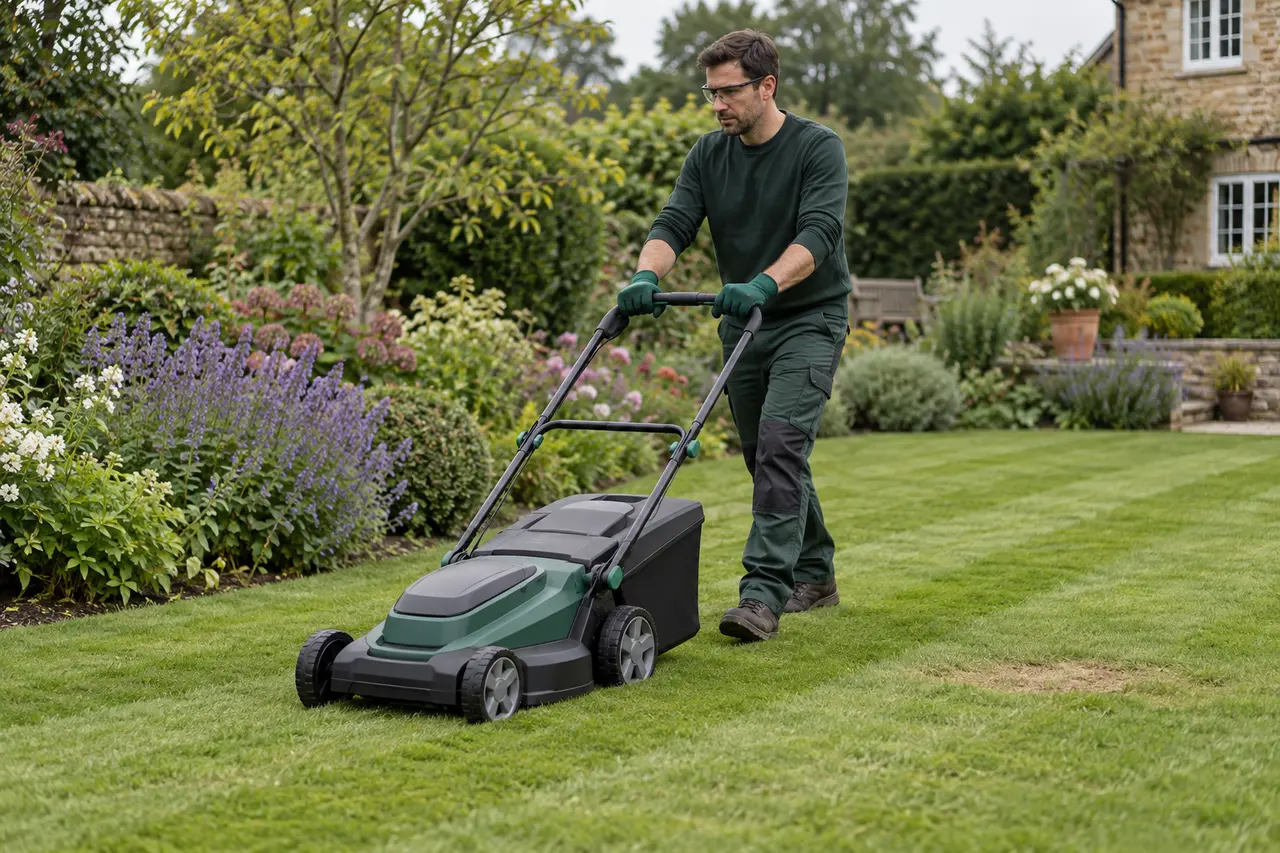
Suitable mowing over the turf ready for cutting
We identify where grass is thin, where soil is exposed and which adjacent parts still need an ordinary cut. The machine follows suitable growing turf with its setting chosen for that receiving grass. This gives the worn line a visible position within the plan while the sound lawn receives its appropriate attention, with the different surfaces kept clear through the equipment route.
Our turning points follow ground able to support the movement. We gather loose obstacles and identify protruding roots or raised edges before the pass reaches them. The route then relates the machine’s whole movement to the surface available, including any weak corner needing less repeated traffic. This keeps the cutting operation practical alongside the actual worn portion under assessment.
A lawn-care proposal identifies the ordinary cut and any recovery operation selected for the strip. Feeding, aeration, overseeding and patch repair have different purposes and relevant follow-up. We relate that choice to the condition found, leaving the included preparation and resulting care clear while the suitable established grass continues to receive its own maintained finish.
- Our mowing route identifies exposed soil before the machine reaches it.
- Turning movements use suitable ground clear of the weakest strip.
- Routine cutting remains distinct from the specifically proposed recovery.
- Material carrying follows a route that respects the existing wear pattern.
- Renewed use follows the relevant care for the actual repair completed.
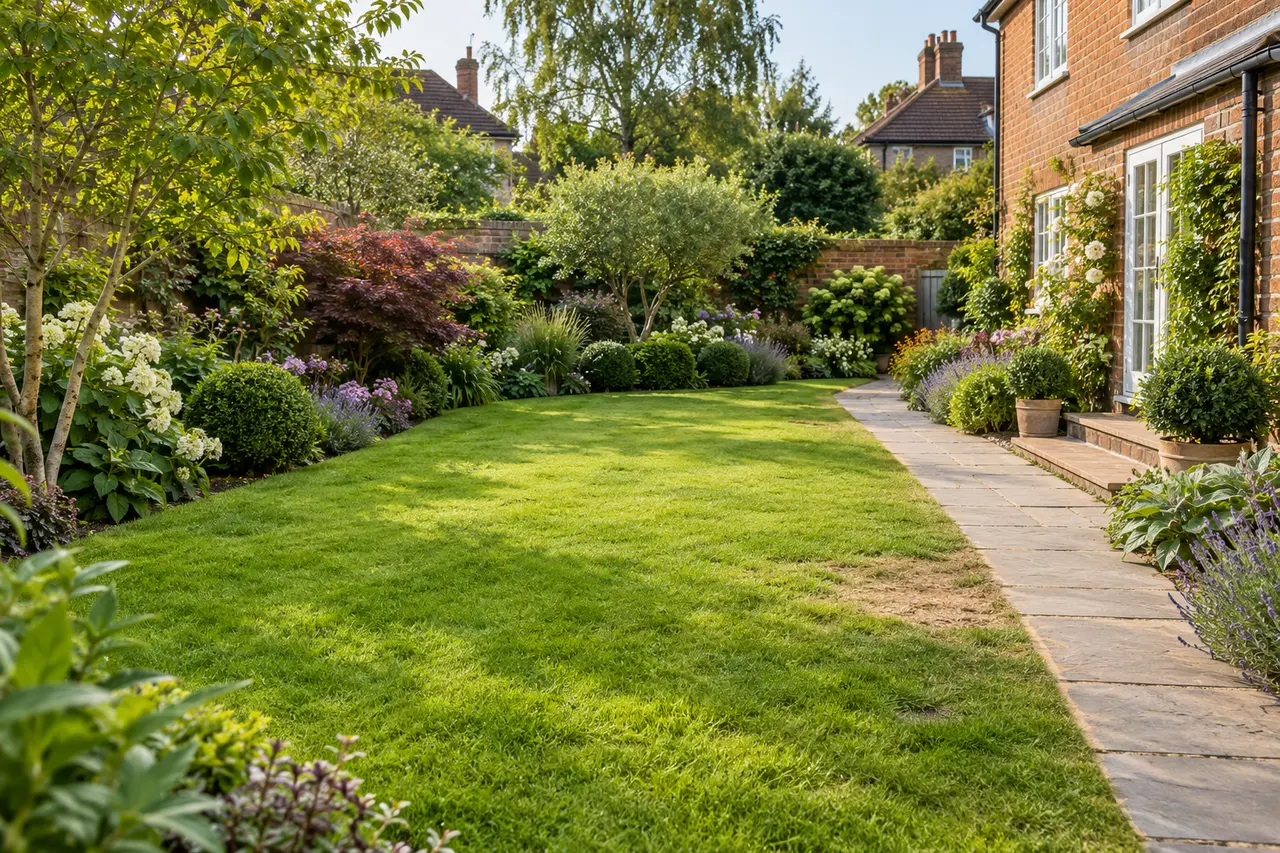
The movement concentrated across the grass
The everyday route included in the work assessment
We examine the pattern made by use between destinations such as a gate and shed, and distinguish that line from an isolated patch below a movable item. The convenience of the route helps explain why the same grass receives repeated traffic. Our assessment keeps those real movements connected to the proposed work, including what people carry and which parts of the garden they need to reach.
For returning garden maintenance, our own handling movement forms part of that arrangement. Tools, bags and cuttings follow a suitable route, using an accessible existing firm path where available. The collection point is positioned with that approach in mind, allowing the next load to leave without adding concentrated journeys through the same soft strip being considered for recovery.
Some practical changes can sit within the current work, including a suitable temporary position for an item moved during cutting. A continuing circulation issue can have a separate layout decision or defined lawn operation. We retain the known source of wear in the record so later attention considers the receiving ground and the use that continues after the initial recovery has been carried out.
The surface beneath accumulated material
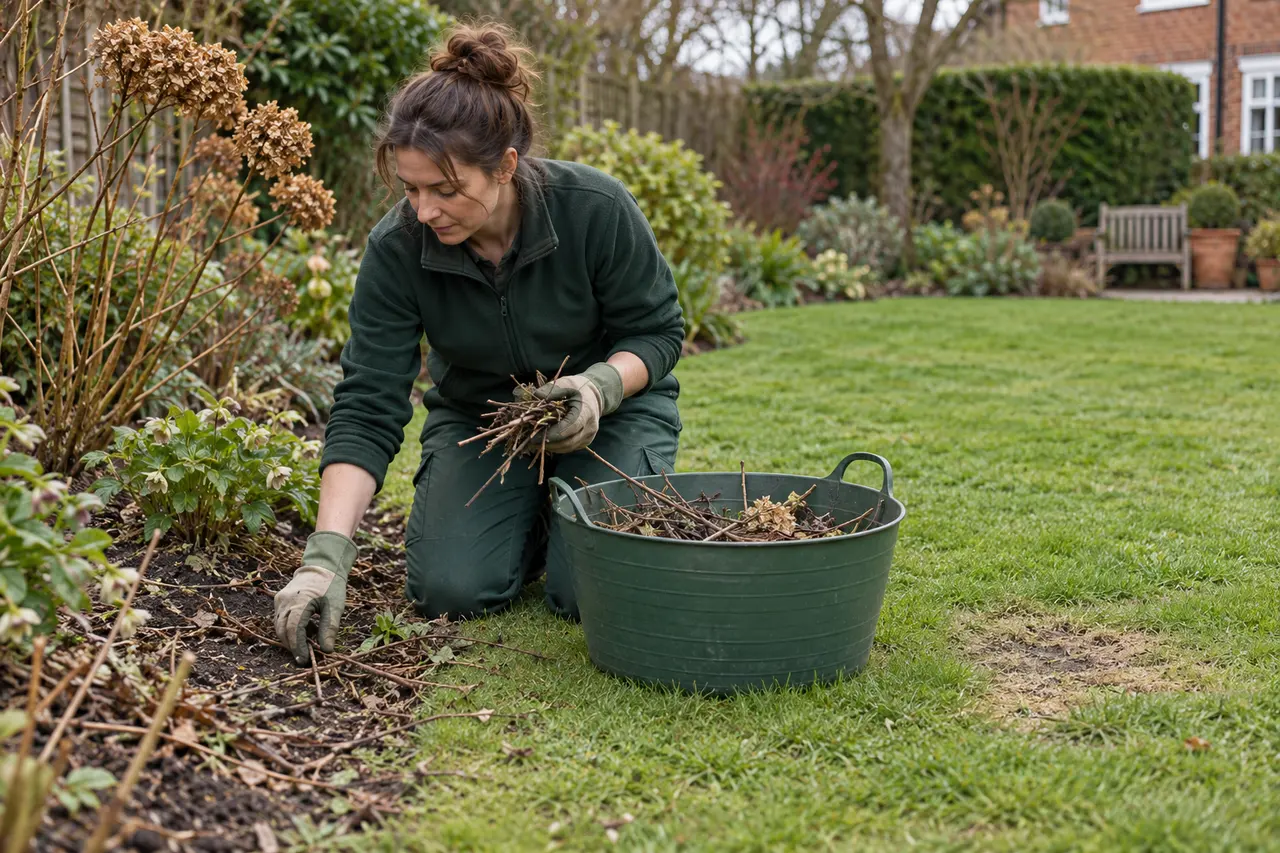
Loose cover gathered before the remaining ground is assessed
We lift accessible fallen material to expose whether the receiving surface contains growing grass, bare soil or both. Controlled collection leaves the retained turf visible while the different portions are assessed. This gives the next operation a workable starting point based on the actual patch, with the material above it removed and any appropriate preparation still required in the ground separately identifiable.
A wider garden clean-up positions its receiving load clear of the retained grass. The amount gathered and the carrying route are considered together, keeping wet cuttings and repeated bag movement off vulnerable margins. We open the usable area through manageable handling, preserving the lawn around the original worn line as the accumulated material is taken to its agreed destination.
We identify objects uncovered during that progress, including old edging, pots and unrelated rubbish. Those contents remain distinct from green material, following the separation described in the garden-waste guide. At the finish the exposed surface has its loose accumulation gathered, and any soil preparation or new grass proposal can follow a clear view of the actual receiving condition.
The bed beside the recovering lawn
Reachable plant care with a separate working position
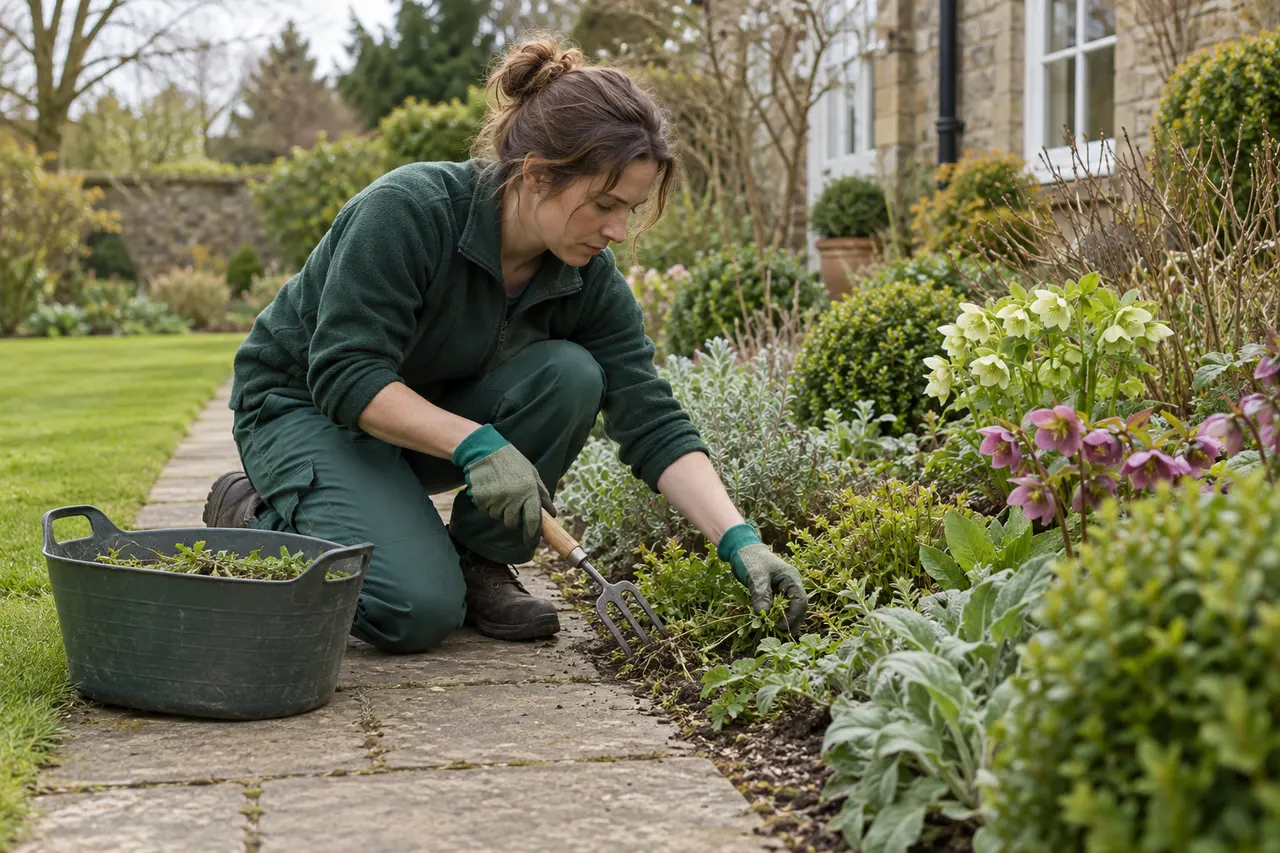
Our border work identifies a suitable position for reaching the plants beside the patch. Hand attention from an existing path can complete accessible portions while another area retains its need for different access. The lawn and bed therefore have connected instructions, with established clumps attended to and the recovering surface kept outside the standing places used during that close work.
Suitable soil displaced during weeding returns to the bed, while stems and loose labels go into their identified receiving load. We keep the interface clear through collection so the prepared grass surface remains recognisable. This preserves the result of both operations: accessible bed growth cared for and the lawn patch left in its intended condition for its next appropriate stage.
Our attention also relates the lawn’s lasting outline to neighbouring plant spread. A low plant repeatedly extending into the strip can need suitable care or a later planting decision. New additions retain the workable intended width, keeping the grass area and mature bed arrangement connected in the plan as both continue to develop after the recovery stage.
The hedge operation beside the patch
Cutting and collection ordered around lawn preparation
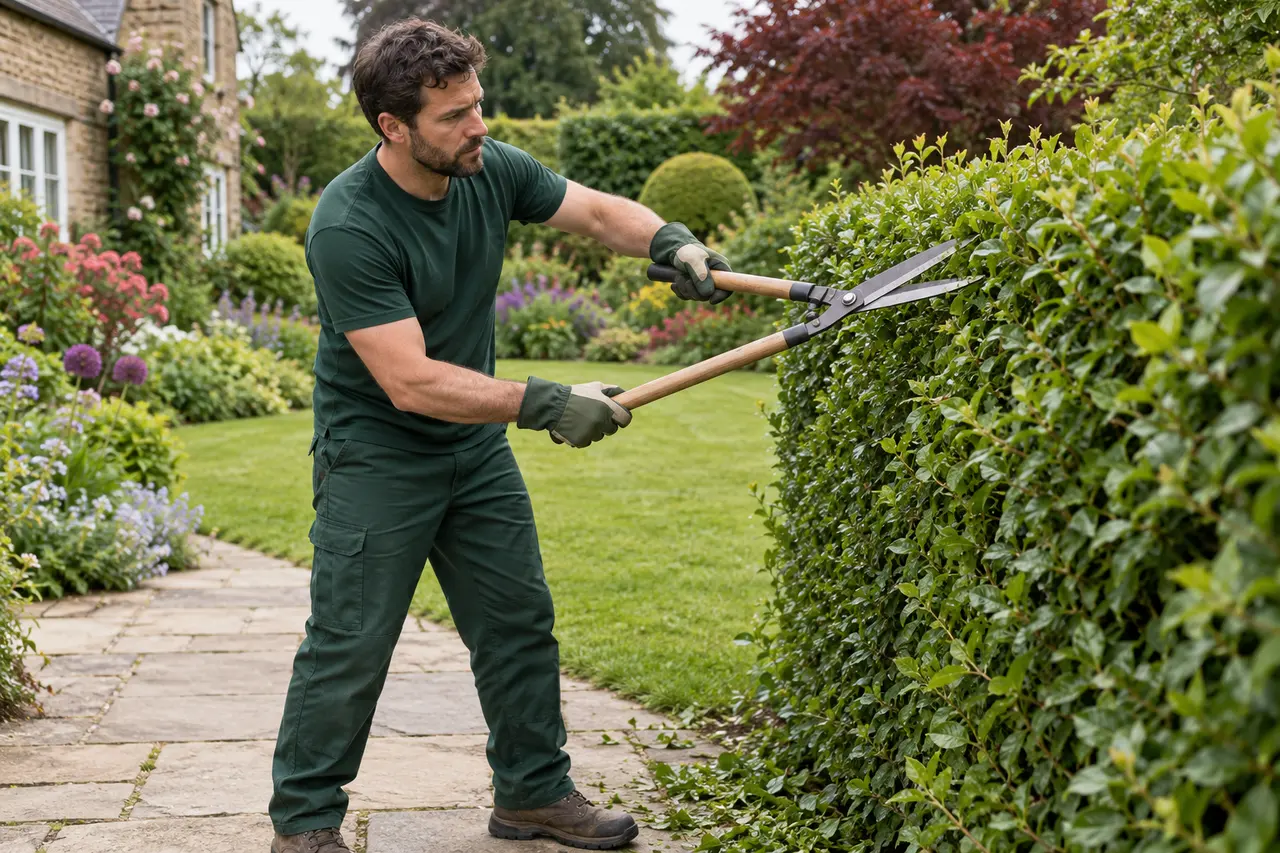
Where suitable hedge work shares the recovery area, we plan its receiving arrangement and sequence before delicate ground preparation. Sheets, tools and gathered material can require repeated boundary movement, so accessible cutting and collection can be completed first where practical. The prepared lawn then keeps its appropriate condition once that larger handling stage has left the immediate area.
A later trim has a suitable receiving position clear of the recovering patch. The accessible face and intended amount still determine the operation, with the collecting route related to a controlled working position. This keeps both the cut and its fragments within an appropriate method, while the lawn’s established boundary remains available for its own specified care.
Checks cover nests being built or used, with disturbing cutting postponed where necessary. The plant’s species and condition also guide suitable trimming. When work proceeds, we gather accessible pieces from the actual receiving area, including the hedge base, while keeping the equipment and collecting movement clear of the prepared grass surface beside it.
The patch’s return to ordinary use
Subsequent attention linked to the completed lawn operation
Our aftercare follows the actual work undertaken on the lawn. A seeded portion and routinely cut turf have different stages for moisture attention, movement and later cutting. We retain the relevant guidance with the operation, giving the next visit a clear basis for treating each area according to its current development and the preparation already completed there.
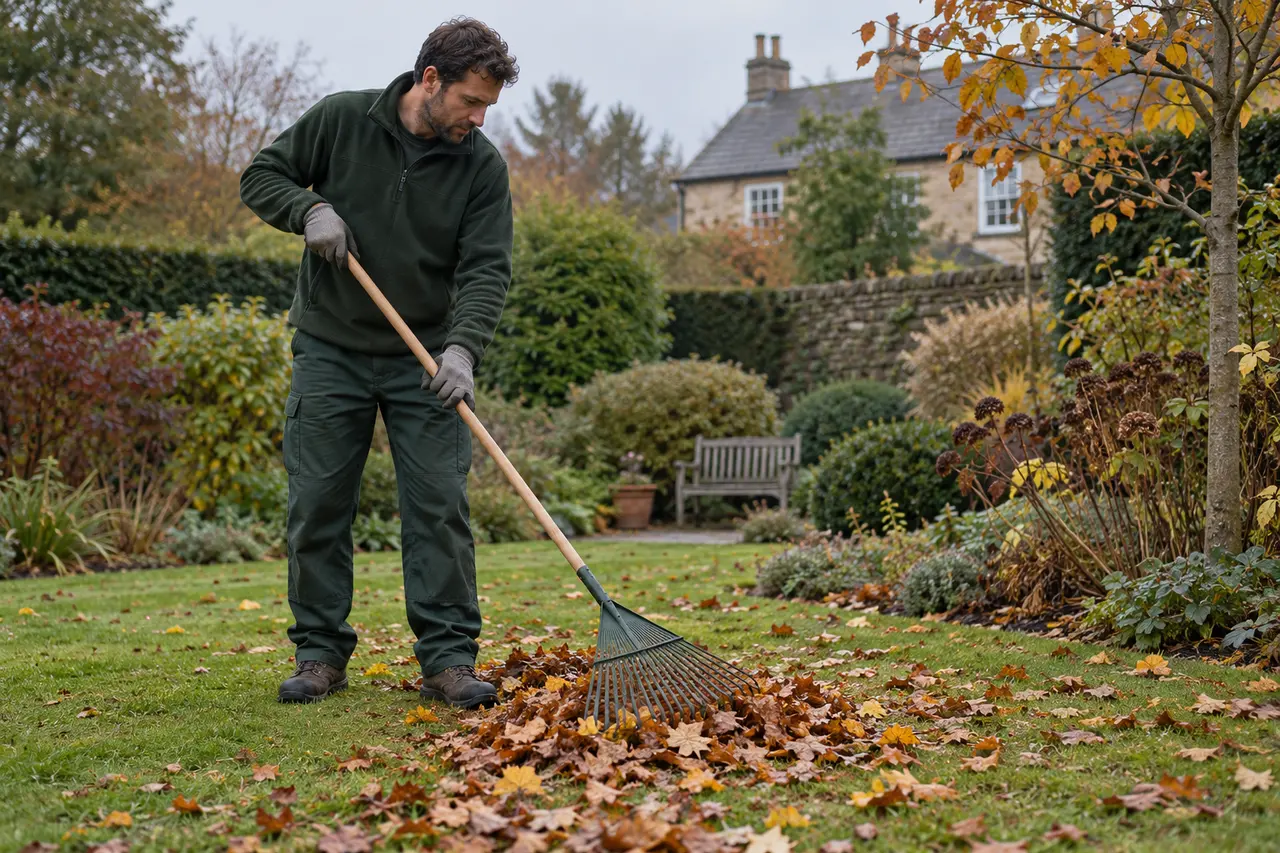
During seasonal leaf collection, we use a suitable firm approach beside the recovering area where available, with material gathered to a container on that route. Leaves on the patch itself receive handling consistent with its relevant care information. This connects the seasonal surface task with the prepared condition being preserved, leaving the collected load and equipment outside the young grass’s continuing establishment space.
As use returns, we observe whether the same concentrated line is forming again. That pattern can inform a further practical circulation choice alongside the grass condition. Returning maintenance retains those observations and the household’s aftercare role, giving the next operation a factual basis in how the space is being used as well as how the repaired lawn is developing.
Further services related to lawn use and its boundaries
Design informed by the route people actually take
Our garden design can use a repeated shortcut as evidence of the destinations needing connection. We consider why the existing path is bypassed and relate the proposal to those movements and the surrounding planting. The wear pattern informs that circulation decision while the material and wider arrangement have their own suitable selection, giving the proposed route a practical purpose within the garden.
Tree-root conditions included in proposed ground changes
Where a lawn-level proposal would add soil around a retained tree, the relevant tree work assessment keeps that change explicit. The trunk base and established rooting conditions require appropriate consideration alongside the desired receiving surface. We distinguish the ground proposal from a branch-work quotation, leaving both the tree operation and any associated soil alteration identified against the actual structure and conditions present.
Residue collected along the paving-wash route
Our jet washing sequence accounts for loosened solids collecting beside a drainage edge. We identify the dirty-water route and suitable receiving position, gathering that residue as part of the specified finish. The paved surface and material released by cleaning then have connected handling, while any issue farther along the drainage system remains a separately identifiable task.
The reported water problem located at the relevant component
Our gutter-cleaning assessment distinguishes a ground-level gully from the roofline channel above. We relate the reported symptom to that actual arrangement before selecting the appropriate operation. Each component retains its own access and work requirements, giving the proposed clearance a defined receiving area and keeping any separate investigation or repair clear within the overall request.
Tree collection with its immediate handling route understood
A drying cut tree can shed needles during Christmas-tree collection, so the arrangement identifies suitable preparation for that movement. Any requested covering and its supply remain explicit alongside the route and included immediate tidying. This gives the outgoing material and carrying stage a defined practical result, with the tree’s actual condition and position retained in the selected handling plan.
Price the ordinary visit and the recovery work clearly
These are the general gardening time guides. Materials, preparation and follow-up for a proposed lawn recovery need identifying in the quotation rather than being inferred from the mowing allowance.
| General gardening time | Guide rate |
|---|---|
| First hour | £83 |
| Each subsequent hour | £65 |
GBP guide rates. Confirm the agreed operations, material and waste arrangements, VAT treatment and applicable access or parking charges in the complete quotation.
Questions about our care around a worn lawn route
How is continuing shortcut traffic included in recovery?
Our assessment considers the established movement alongside growing conditions and the proposed grass work. Repeated concentrated use can make establishment difficult, so the plan keeps that pattern visible after the initial treatment. This gives later care an appropriate basis for the lawn and any practical change to how the route is used.
How do you assess a persistent wet position?
We consider the surface, levels and drainage alongside any relevant compaction before selecting an operation. The actual cause and grass condition guide the proposal. This keeps a wet patch connected to its appropriate work requirement, with any suitable aeration or different task identified for the condition being addressed.
What preparation is relevant before seed is applied?
Seed needs contact with a suitable growing surface, so we identify any thick old deposit requiring preparation alongside the sowing task. The receiving area and seed application remain part of the same practical sequence. That gives the proposed new grass appropriate ground contact and a clear basis for the continuing establishment care.
How are border plants retained beside a grass repair?
We identify the intended lawn area and the plants staying alongside it, with suitable working room for the selected operation. If a plant’s spread contributes to the continuing difficulty, that specific issue is assessed within its appropriate care or planning task. The grass recovery then retains its defined extent beside the established bed.
Where does the ordinary mowing load go during establishment?
Our clippings follow their identified receiving destination, with emptying and carrying kept clear of the prepared patch. We relate the ordinary lawn finish to the actual recovery guidance, leaving the new surface undisturbed by collection. The resulting garden has the usable turf maintained and each outgoing grass load handled through its suitable route.
A lawn plan connected to the movement across it
Our Eastcote gardening services can link the appropriate grass operation with nearby bed attention and suitable boundary collection. The everyday route remains part of that plan, leaving routine mowing, selected recovery and the relevant aftercare clear while the garden continues to be used around the area receiving attention.